
Our Tracking Technologies
Explore the various technologies that power our tracking solutions and learn how they can be applied to your specific needs.
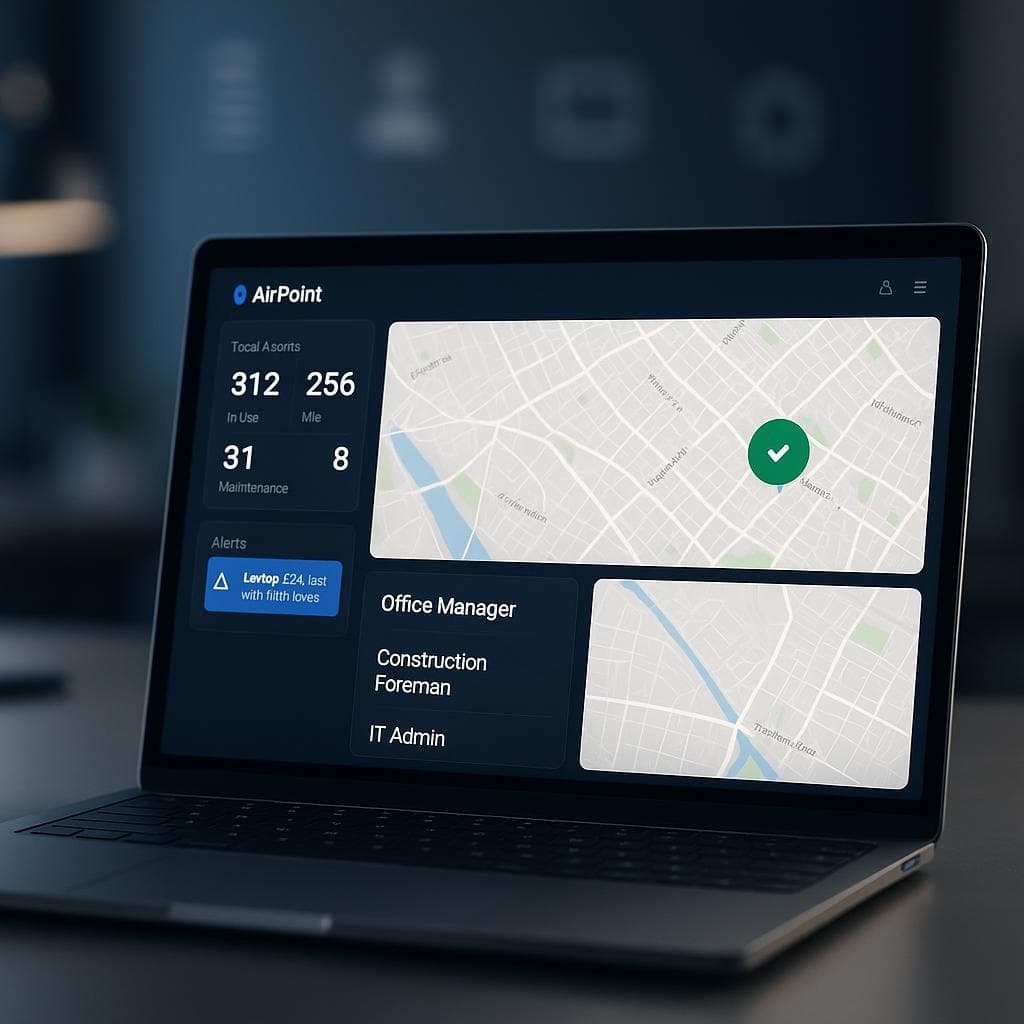
Asset Tracking Dashboards: Movement Alerts and Fleet Control
How asset tracking dashboards handle movement alerts and control, with user-friendly interfaces and role-based examples.
- Movement alerts and control through one dashboard
- User-friendly interfaces with role-based examples
- Walkthrough of creating alerts
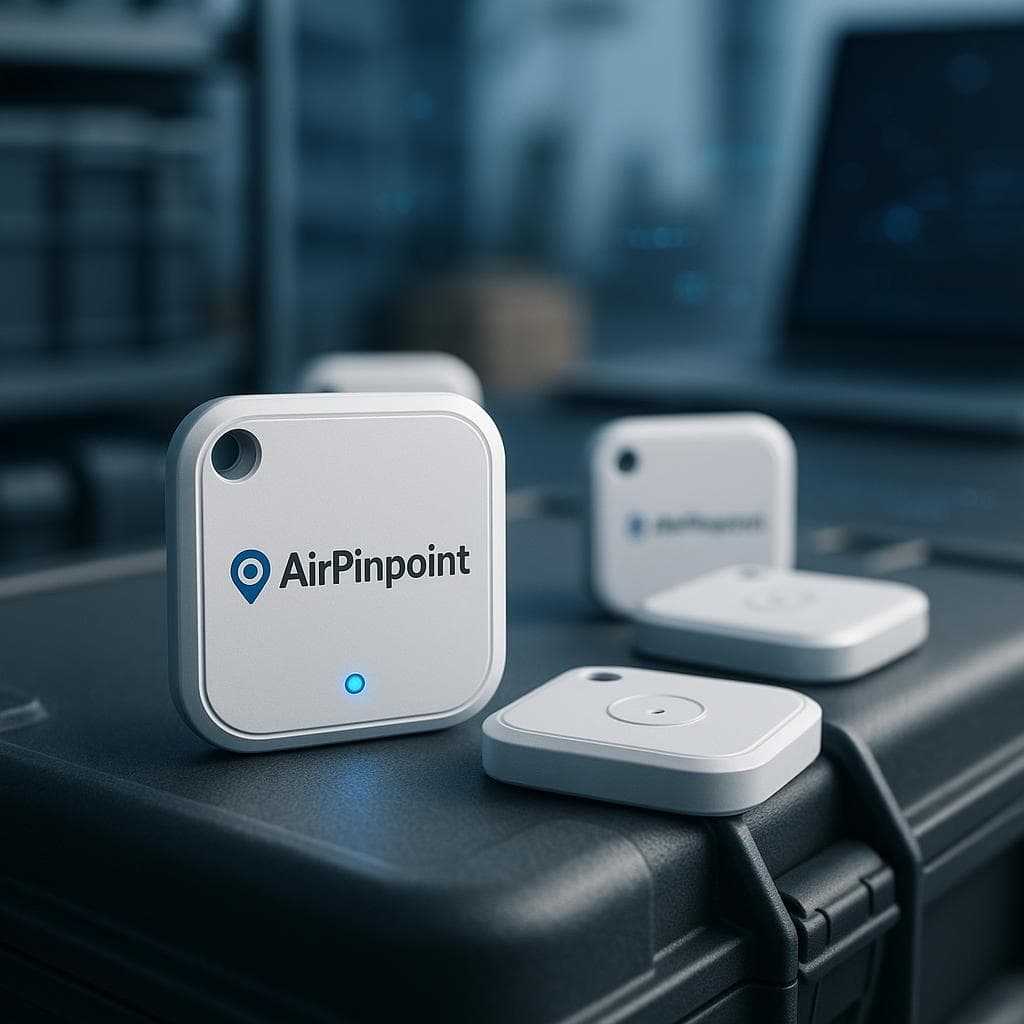
BLE Tracking Tags: Low Power, High Accuracy
Discover how BLE tracking tags offer low power consumption and high accuracy, making them ideal for asset tracking in various environments.
- Low power consumption and high accuracy
- BLE behavior and the Find My Network
- Ultra-long battery life and reliability indoors
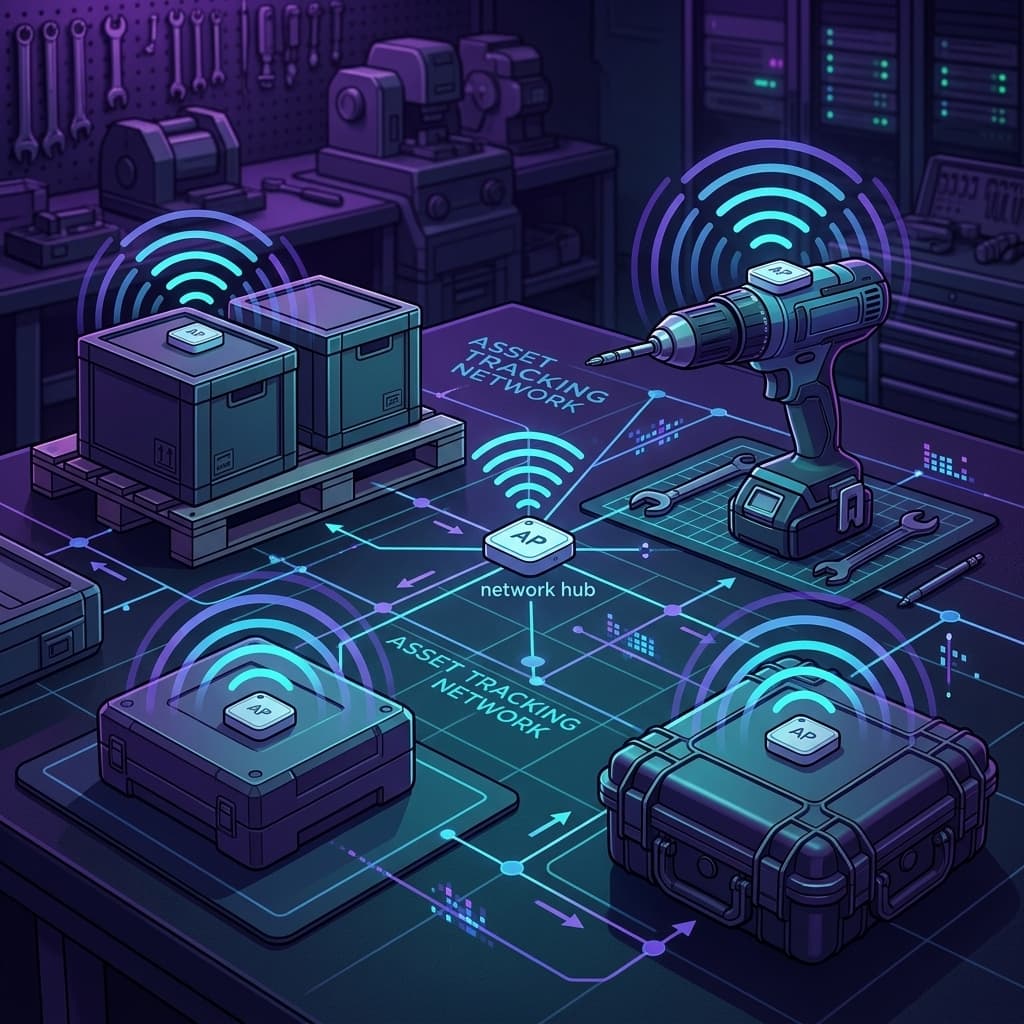
Bluetooth Tracking: How BLE Beacons and Tags Work for Business Asset Management
Complete technical guide to bluetooth tracking for business. Learn how BLE beacons work, compare beacon types, understand range and accuracy limits, and see how the Find My network turns bluetooth into a global tracking system.
- BLE 5.0+ advertising packets consume less than 15 mA peak current
- Find My network provides 1B+ relay devices for crowdsourced tracking
- Bluetooth 5.1 direction finding enables sub-meter indoor accuracy

Bluetooth vs GPS vs Cellular Tracking: Accuracy, Range, Battery, Cost
Exact specs for every location technology. GPS ~5m open sky, BLE 1-10m, cell tower triangulation ~150m urban to several km rural, Wi-Fi 5-15m, UWB 10-30cm. Accuracy, range, battery draw, and cost per technology, verified against GPS.gov and RTLS research.
- GPS/GNSS: ~5m accuracy under open sky, 20m+ in urban canyons, unusable indoors; global range, needs a SIM
- BLE proximity: 1-10m from signal strength, 0.3-1m with Bluetooth 5.1 direction finding; no SIM, coin-cell battery lasts 1-3 years
- Cell tower triangulation: ~150m in dense urban to several kilometers rural; anywhere with cellular coverage
GPS Tracking for Tools and Equipment: How It Works
Understand how GPS tracking works for tools and equipment, and how Airpinpoint's BLE + Apple network offers a unique approach.
- Classic GPS tracking using satellites and cellular upload
- Airpinpoint's BLE + Apple network approach
- Pros and cons of each method

Find My Network: How Apple's AirTag Tracking Works Without GPS
The Find My network is over a billion iPhones, iPads, and Macs that hear AirTag Bluetooth signals and upload encrypted locations only the owner can read.
- Over a billion iPhones, iPads, and Macs relay AirTag locations, per Apple
- AirTags have no GPS: the Apple device that hears the tag supplies the location
- Reports are end-to-end encrypted with P-224 keys, so Apple can't read them
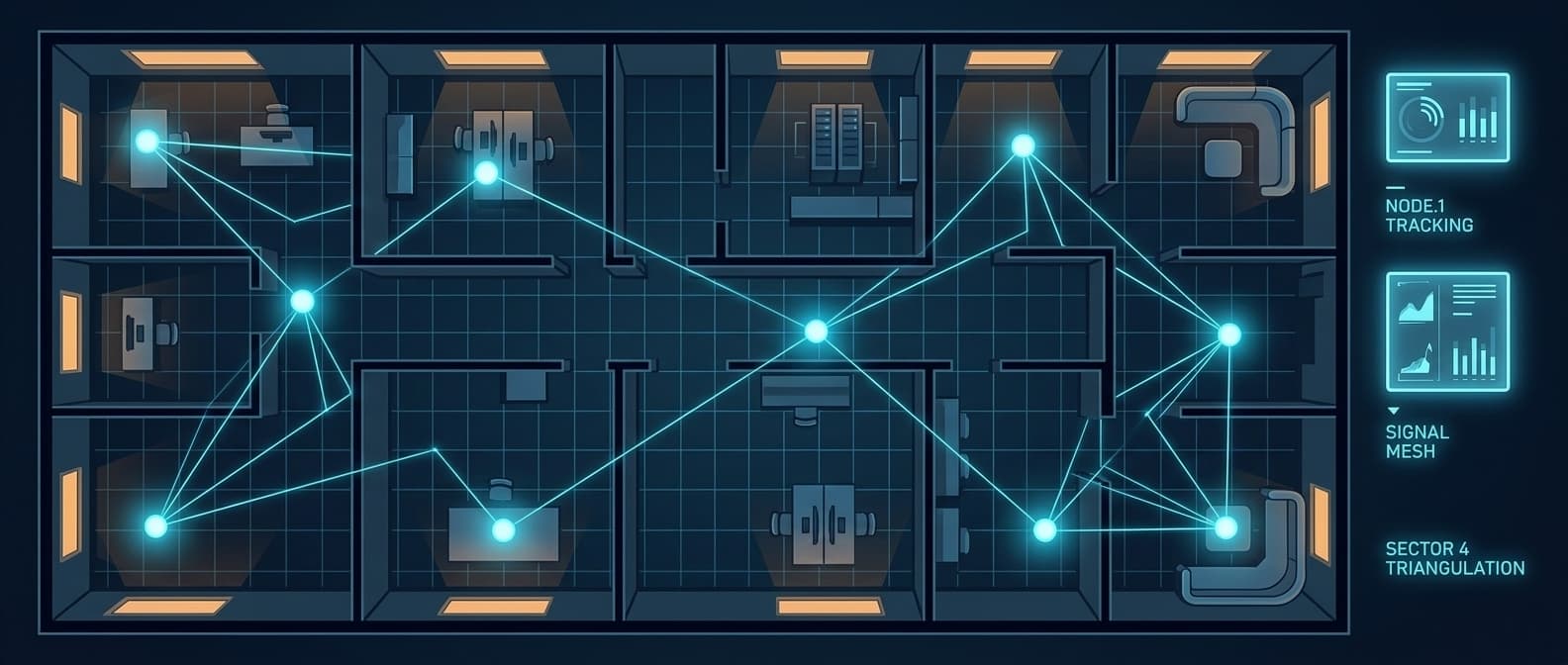
Indoor Positioning Systems: Technologies, Accuracy, and Real Costs
Compare indoor positioning technologies including WiFi, BLE, UWB, RFID, and Find My. Accuracy ranges, infrastructure costs, and which IPS actually works for your use case.
- 7 IPS technologies compared by accuracy and cost
- WiFi vs BLE vs UWB vs RFID breakdown
- Infrastructure requirements for each approach

IoT Fleet Management: What It Actually Costs and How It Works
Break down the IoT fleet management stack: hardware, connectivity, cloud platform, and analytics. Learn how Apple's Find My network offers an alternative IoT approach at a fraction of traditional fleet telematics costs.
- Traditional IoT fleet management costs $27-50 per vehicle per month
- The IoT stack has 4 layers: hardware, connectivity, platform, and analytics
- Apple's Find My is a billion-device IoT mesh network with zero infrastructure cost
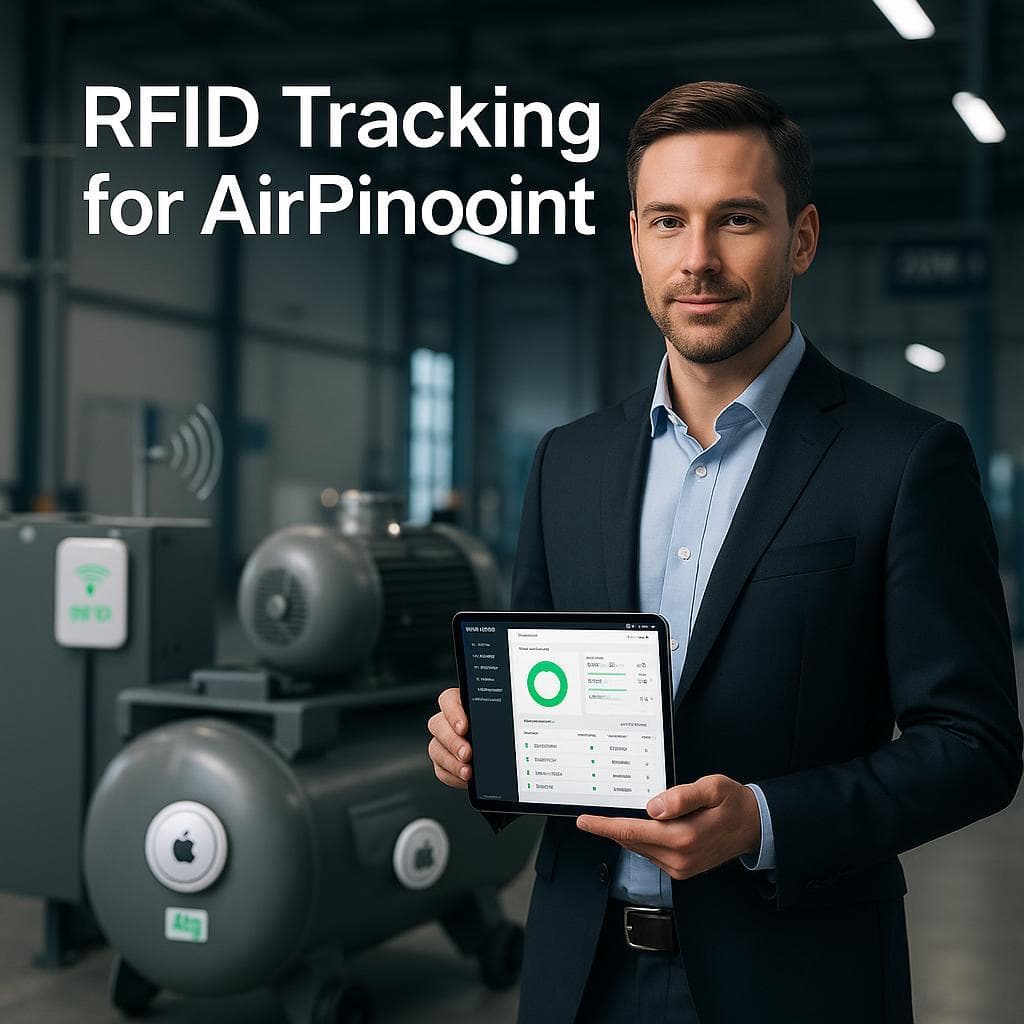
RFID Tracking: Pros, Cons, and When to Use It
Explore the pros and cons of RFID tracking systems and discover when to use them, with insights into passive vs active RFID and infrastructure requirements.
- Passive vs active RFID explained
- Infrastructure requirements for RFID systems
- BLE/AirTag-based tracking for dynamic environments

UWB Asset Tracking: Centimeter Accuracy Without the $100K Infrastructure
UWB (Ultra-Wideband) delivers 10-30cm positioning accuracy for asset tracking. Learn how UWB works, what dedicated systems cost, and how AirTag 2's second-generation Ultra Wideband chip brings UWB tracking to $29/tag.
- 10-30cm accuracy via time-of-flight ranging
- AirTag 2's second-gen Ultra Wideband chip: 50% farther Precision Finding for $29
- UWB vs BLE vs RFID vs GPS comparison
Comparing Tracking Technologies
Different tracking needs require different technologies. Here's a quick comparison to help you understand the key differences.
| Technology | Range | Battery Life | Accuracy | Best For |
|---|---|---|---|---|
| AirTags | Global (via Find My network) | 1-7+ years | 1-15 meters | Business assets, inventory, equipment tracking |
| GPS | Global | Months | 3-10 meters | Outdoor tracking, vehicles, large equipment |
| BLE | 10-100 meters | Years | 1-5 meters | Indoor assets, tools, equipment |
| RFID | Few centimeters (passive) to 100m (active) | No battery (passive) or years (active) | Presence detection | Inventory management, access control |
| Cellular | Global (with cell coverage) | Days to months | 10-1000 meters | Remote equipment, vehicle fleets |
Airpinpoint leverages Apple's Find My network technology to provide cost-effective, battery-efficient tracking without the need for expensive GPS hardware or cellular subscriptions.
