GPS Asset Tracking Devices: What to Buy and Why
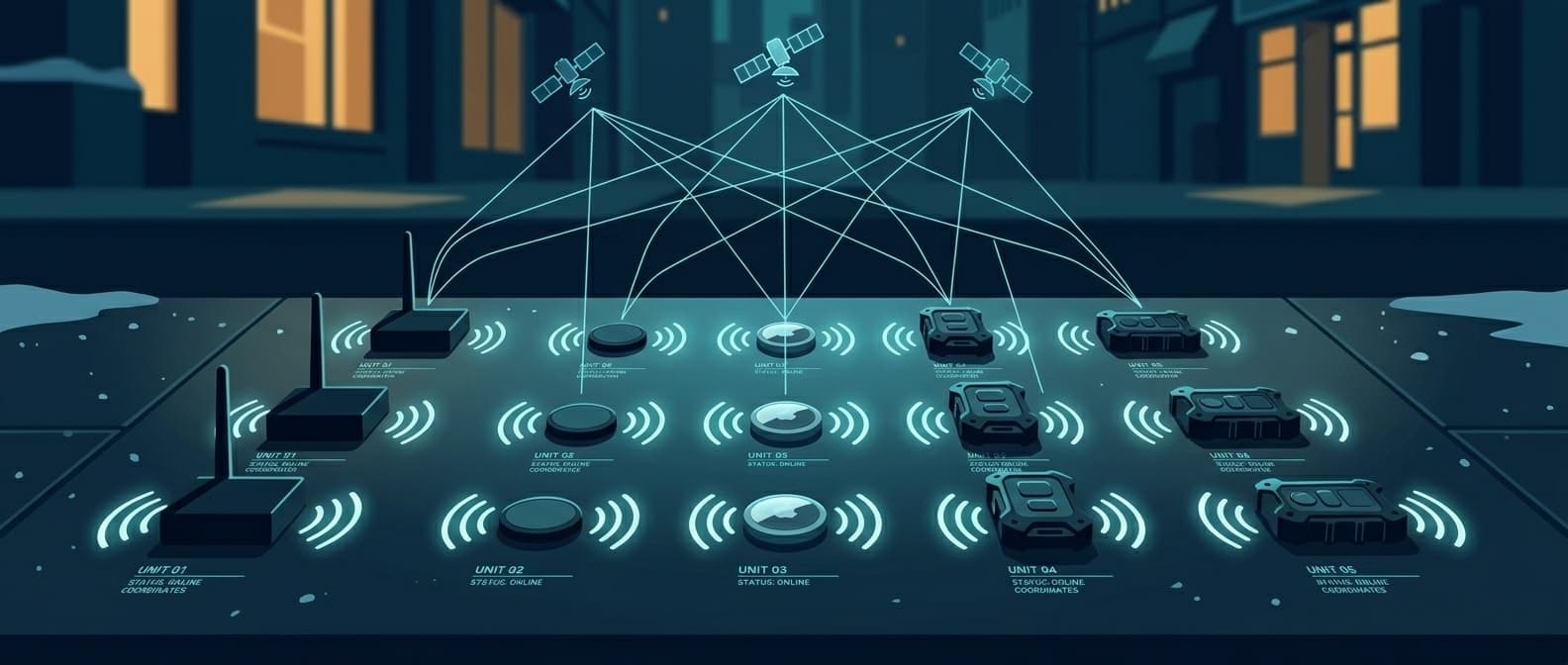
The GPS asset tracking device market is fragmented. Cellular trackers, BLE tags, satellite beacons, passive RFID, Apple Find My tags. Each category has different hardware costs, monthly fees, battery profiles, and coverage characteristics. Picking the wrong one means either overpaying for features you don't need or under-tracking assets that walk off the job.
This guide breaks down every major device type, compares them on the metrics that matter, and explains which fits which use case.
The Four Categories of GPS Asset Tracking Devices
1. Cellular GPS Trackers
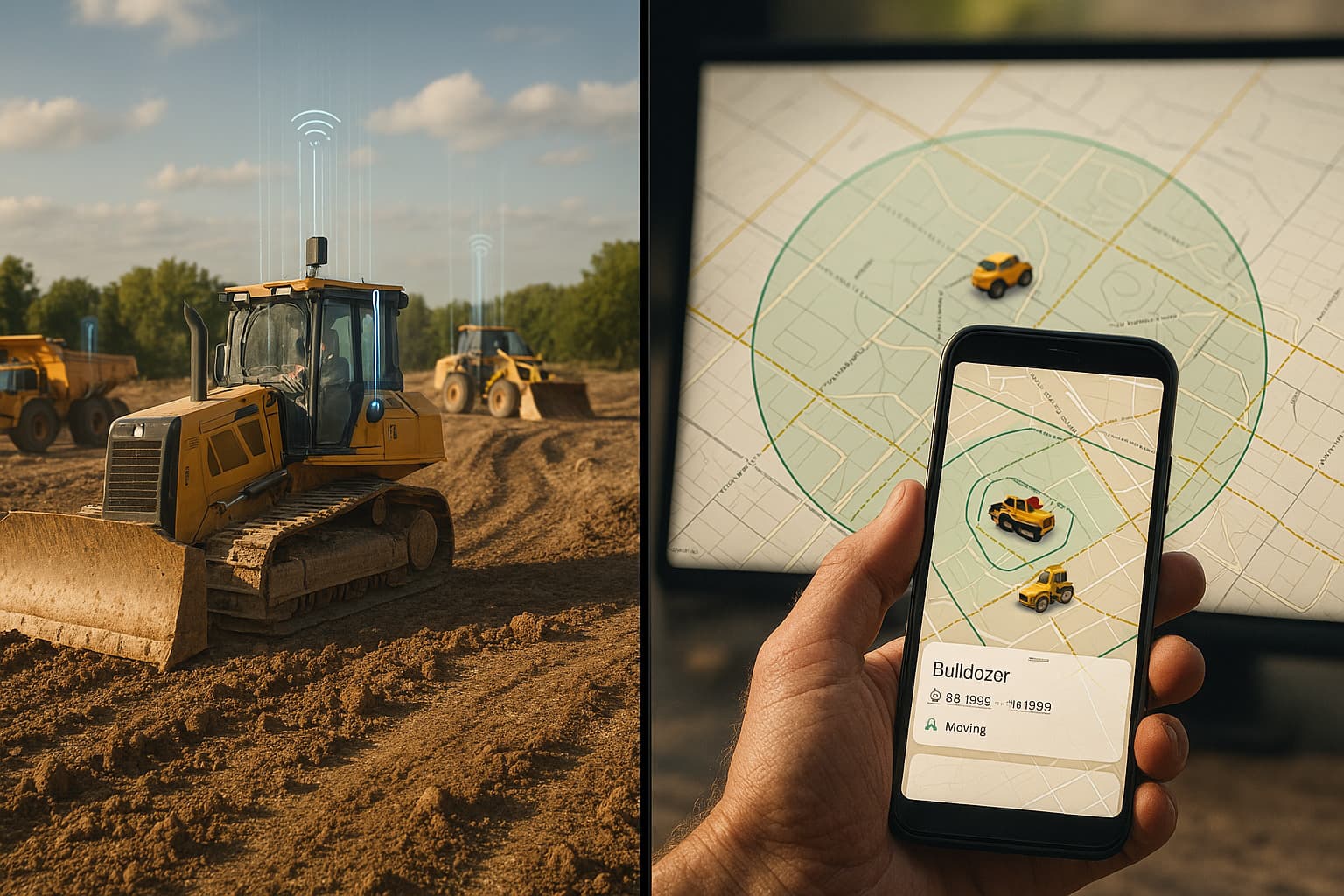
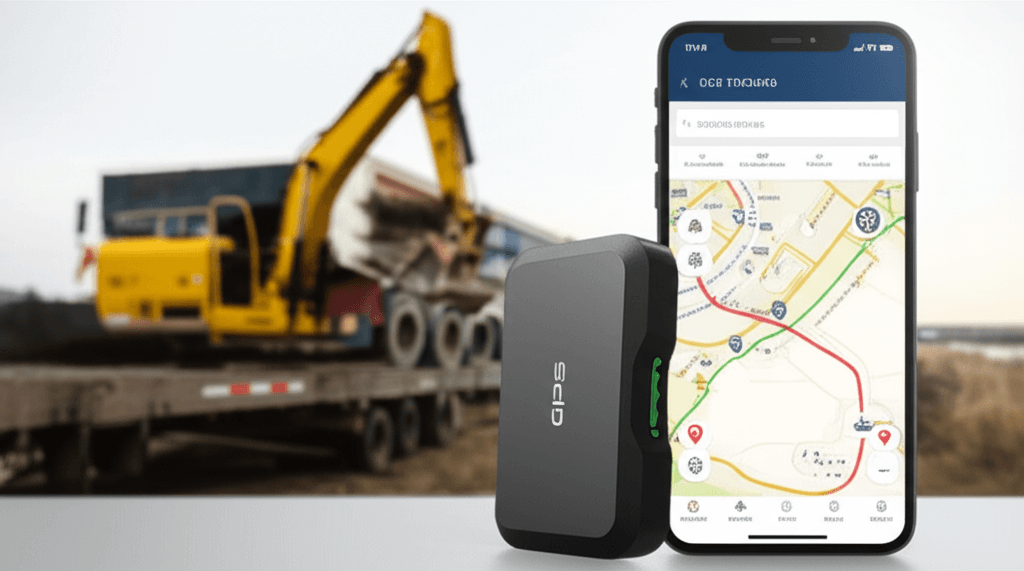
These are the traditional option. A GPS receiver calculates position from satellite signals, then a cellular modem (4G LTE or LTE-M) transmits that data to a cloud server.
Examples: Samsara AG46, CalAmp LMU-900, Queclink GL300
Hardware cost: $25-150 per device
Monthly fee: $15-45 per device (cellular data plan required)
Battery life: 1-4 weeks on internal battery. Most are hardwired to the vehicle's electrical system.
Update frequency: Every 30 seconds to 15 minutes depending on plan tier and power mode.
Coverage: Wherever there is cellular signal. Dead zones in rural areas, underground, and inside metal containers.
Best for: Powered vehicles, heavy machinery, and high-value equipment that justifies the recurring cost. Fleet managers tracking company trucks or excavators in real-time.
Drawbacks: Monthly fees compound fast. 50 trackers at $25/month is $15,000/year before hardware. Battery-only deployments are impractical because cellular and GPS radios drain power quickly. Contracts often run 36 months with early termination fees.
2. BLE Tags and Apple Find My Devices
Bluetooth Low Energy (BLE) tags broadcast a small signal that nearby smartphones pick up and relay to a cloud platform. Apple's Find My network is the largest implementation: over a billion Apple devices crowdsource location data for any compatible tag.
Examples: Airpinpoint tags, Apple AirTag, Chipolo ONE Spot
Hardware cost: $5-30 per device
Monthly fee: $0 for consumer Find My. Airpinpoint charges a per-tag annual subscription for business features (geofencing, fleet dashboards, API access, multi-user management).
Battery life: 1-7+ years on a CR2032 coin cell. Airpinpoint tags last 7+ years because BLE advertising consumes microwatts compared to the milliwatts of cellular radios.
Update frequency: Depends on foot traffic. In urban areas with high Apple device density, updates arrive every few minutes. In remote areas with sparse traffic, updates may be hours apart.
Coverage: Global. The Find My network works in 150+ countries wherever iPhones, iPads, and Macs are present. No cellular plan required.
Best for: Non-powered assets (trailers, generators, containers, tools, scaffolding), mixed fleets where most assets don't have electrical systems, and any deployment where recurring cellular fees are a dealbreaker.
Drawbacks: Not truly "real-time" in the cellular GPS sense. Update latency depends on nearby Apple devices. Not ideal if you need second-by-second telemetry for route optimization or driver behavior monitoring.
3. Satellite Trackers
These devices communicate via satellite constellations (Iridium, Globalstar, Orbcomm) instead of cellular towers. They work anywhere on Earth with sky visibility.
Examples: SPOT Trace, Garmin inReach, Iridium Edge Solar
Hardware cost: $150-400 per device
Monthly fee: $10-50 per device (satellite airtime)
Battery life: 2-8 weeks depending on reporting interval. Solar-powered models extend this significantly.
Update frequency: Every 2.5 minutes to once daily, depending on plan.
Coverage: Truly global, including oceans, arctic regions, and deep rural areas with zero cell coverage.
Best for: Assets that operate far from cell towers. Remote mining equipment, offshore containers, agricultural machinery in vast rural properties, cross-border shipping through developing regions.
Drawbacks: High hardware cost. Satellite airtime is expensive. Latency is higher than cellular. Most plans throttle update frequency to keep costs manageable. Overkill for assets that stay within cellular coverage areas.
4. Passive RFID Tags
Radio-Frequency Identification tags don't have batteries or GPS. A reader device sends radio energy to the tag, which powers up and returns its ID. Location is inferred from which reader detected the tag.
Examples: Zebra RFID tags, Impinj Monza, Alien Squiggle
Hardware cost: $0.10-5 per tag
Monthly fee: $0, but readers cost $1,000-10,000+ each
Battery life: Infinite (no battery)
Update frequency: Only when within range of a reader (typically 1-30 feet for passive UHF RFID)
Coverage: Only at chokepoints where readers are installed (warehouse doors, tool cribs, gates)
Best for: High-volume inventory counts at fixed checkpoints. Warehouse dock doors, tool crib check-in/check-out, retail inventory. Situations where you need to know "did this item pass through this doorway" rather than "where is this item right now."
Drawbacks: No location data between readers. Zero outdoor or field coverage. Requires significant infrastructure investment in readers and antennas. Does not answer "where is my asset?" in the way GPS or BLE tracking does.
Device Comparison Table
| Category | Hardware Cost | Monthly Fee | Battery Life | Update Speed | Coverage | Indoor |
|---|---|---|---|---|---|---|
| Cellular GPS | $25-150 | $15-45 | 1-4 weeks | 30s-15min | Cellular zones | No |
| BLE / Find My | $5-30 | $0* | 1-7+ years | Minutes | Global (crowdsourced) | Yes |
| Satellite | $150-400 | $10-50 | 2-8 weeks | 2.5min-daily | Truly global | No |
| Passive RFID | $0.10-5 | $0** | Infinite | At reader only | Reader locations only | Yes |
Airpinpoint charges an annual per-tag subscription for business fleet features. *Readers cost $1,000-10,000+ each.
Total Cost of Ownership: The Math Most Vendors Skip
Hardware cost is the number on the sticker. Total cost of ownership is what actually hits your P&L. Here is what 100 tracked assets costs over 3 years across device types:
Cellular GPS (100 devices):
- Hardware: $7,500 (at $75/device)
- Monthly fees: $75,000 (at $25/device x 36 months)
- Replacement batteries/units: ~$2,000
- 3-year total: ~$84,500
BLE / Find My via Airpinpoint (100 devices):
- Hardware: $2,000 (at $20/device)
- Annual subscription: varies by plan tier
- Battery replacement: $0 (7+ year battery life)
- 3-year total: fraction of cellular GPS
Satellite (100 devices):
- Hardware: $25,000 (at $250/device)
- Monthly fees: $90,000 (at $25/device x 36 months)
- 3-year total: ~$115,000
The recurring fee is the killer. A $30 tracker with a $25/month plan costs $930 over 3 years. A $20 BLE tag with no monthly fee costs $20. The question is whether the use case justifies the premium for cellular real-time updates.
How to Pick the Right Device for Your Assets
Decision tree:
Does the asset have its own power source (vehicle battery, generator)? If yes, hardwired cellular GPS makes sense. You get real-time updates without worrying about tracker battery life.
Is the asset in an area with cell coverage? If no, satellite tracker for truly remote deployments. If yes, continue.
Do you need second-by-second telemetry (route replay, driver behavior, ELD compliance)? If yes, cellular GPS with OBD-II or hardwired install. BLE tags don't do this.
Is the asset non-powered (trailer, container, tool, scaffolding, generator when off)? BLE / Find My tags. No wiring needed, battery lasts years, and the Find My network provides location updates whenever any Apple device passes nearby.
Do you need check-in/check-out tracking at a fixed location (tool crib, warehouse)? RFID at the chokepoint. Cheapest per-tag, but only tells you about movement through reader zones.
Are you tracking 50+ assets and monthly fees are a problem? BLE / Find My eliminates the compounding cost problem entirely. This is where most construction, rental, and field service companies land after running the 3-year math on cellular.
Form Factors and Mounting
GPS asset tracking devices come in several physical formats:
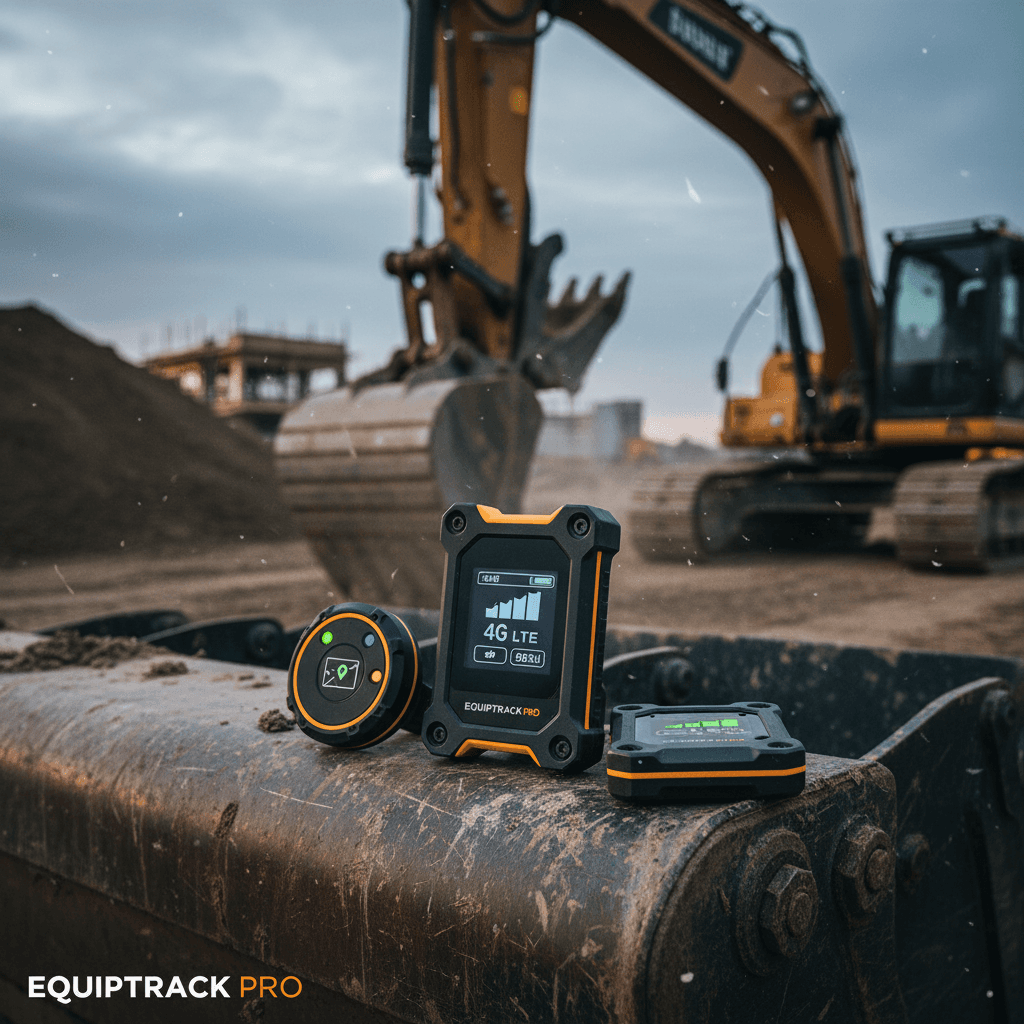
Hardwired units bolt under the dash or into the OBD-II port. Powered by the vehicle. Best for trucks, vans, and heavy equipment with electrical systems.
Magnetic-mount battery packs stick to metal surfaces. Contain a large lithium battery (often 5,000-10,000 mAh) to power the cellular radio. Last 1-4 weeks. Common for covert vehicle tracking or temporary deployments.
Coin-cell BLE tags are the size of a hockey puck or smaller. Attach with zip ties, adhesive, screws, or drop into a tool bag. The small form factor works for tools, cases, containers, and any asset where a bulky tracker would be impractical.
Ruggedized enclosures are IP67/IP68 rated for water, dust, and impact. Required for construction, mining, marine, and outdoor deployments. Available across all device categories.
Solar-powered units pair a small solar panel with a rechargeable battery. Common in satellite trackers for long-term remote deployments where battery swaps are impractical.
Coverage Gaps: What Vendors Don't Tell You
Cellular GPS coverage gaps: "Nationwide coverage" usually means "wherever your carrier has towers." In practice, rural job sites, underground parking, inside metal shipping containers, and mountainous terrain all create dead zones. The tracker stores location data locally and uploads when signal returns, but you get a gap in your timeline.
BLE/Find My coverage density: The Find My network's update frequency correlates directly with iPhone density. Downtown Manhattan: updates every 1-3 minutes. A remote ranch in Montana: maybe once every few hours when the rancher's truck drives past. For most commercial and suburban environments, the density is sufficient. For true wilderness deployments, satellite is the only reliable option.
Satellite sky view requirements: Trees, buildings, and overhangs block satellite signals. A tracker inside a dense forest canopy or a covered trailer won't get a fix. This is the same limitation as consumer GPS devices.
RFID range reality: Vendors quote "30-foot read range" for passive UHF RFID. In practice, with interference from metal shelving, moisture, and neighboring tags, expect 5-15 feet. Active RFID extends range to 300+ feet but requires batteries, increasing cost and maintenance.
Why Most Fleets End Up Using Multiple Device Types
The reality for companies tracking 50+ assets is that no single device type covers everything. A typical mixed fleet might deploy:
- Hardwired cellular GPS on trucks and vehicles (20% of assets, 80% of hardware budget)
- BLE / Find My tags on trailers, containers, generators, tools, and non-powered equipment (70% of assets, 10% of hardware budget)
- RFID at chokepoints for tool crib check-in/check-out (high-volume, low-cost)
The key insight: you don't need real-time cellular telemetry on a $200 generator or a stack of scaffolding. You need to know where it is and whether it's moved. That's exactly what BLE/Find My tracking provides at a fraction of the cost.
Airpinpoint's Approach
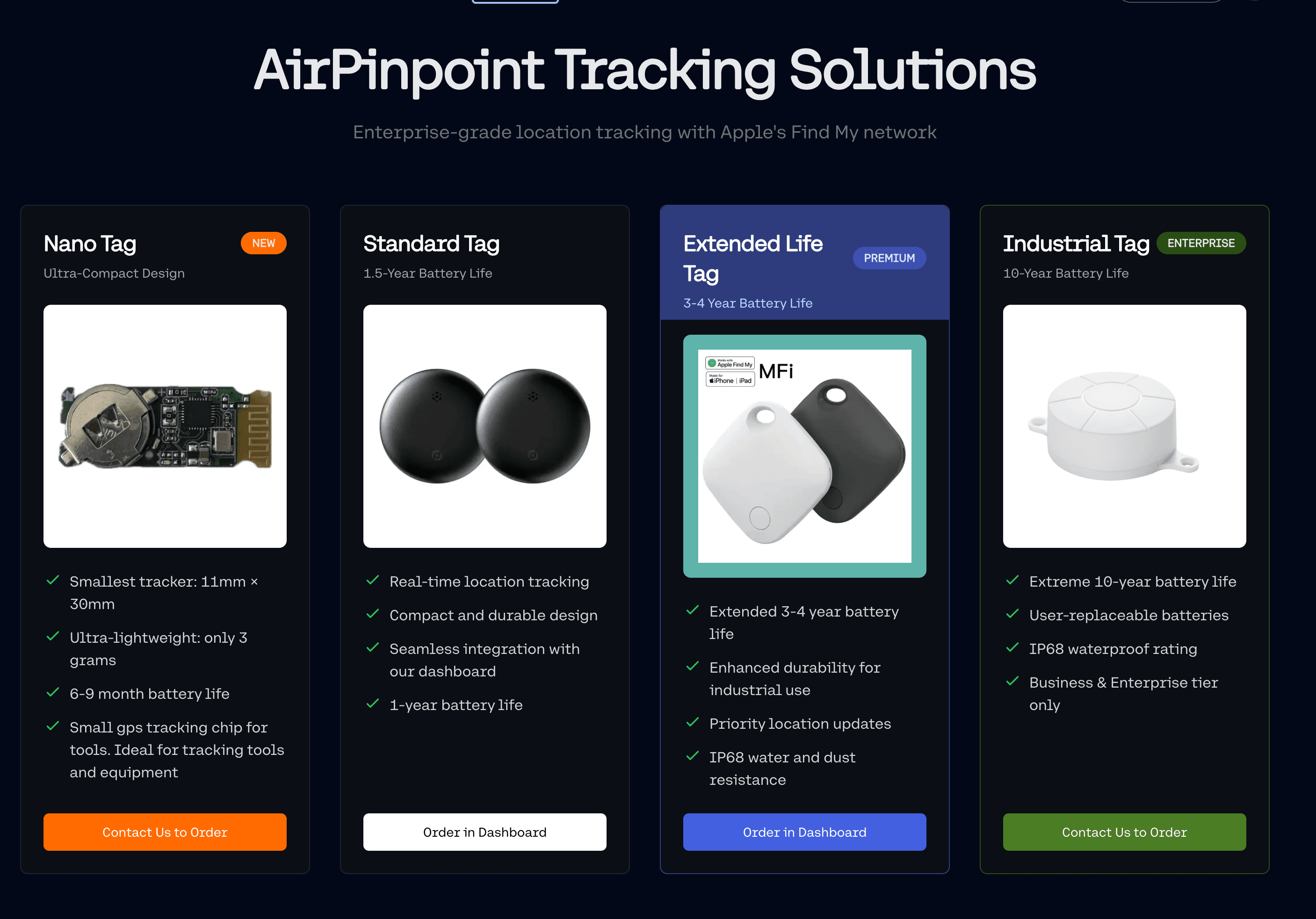
Airpinpoint builds on Apple's Find My network to provide GPS-quality asset tracking without the GPS-level power draw or monthly cellular fees.
What you get:
- Tags that last 7+ years on a single CR2032 battery
- Global coverage through over a billion Apple devices
- Fleet dashboard with geofence alerts, location history, and multi-user access
- API and webhook integrations for custom workflows
- No per-device monthly cellular fees
What it replaces:
- $25-45/month cellular GPS subscriptions on non-powered assets
- Manual spreadsheet tracking of tools, containers, and equipment
- The "where did we leave that generator" conversation
For powered vehicles where you need real-time telemetry, cellular GPS still makes sense. For the other 70% of your fleet, the non-powered assets that represent the majority of your inventory, Airpinpoint's tracking devices deliver comparable visibility at a fraction of the total cost.
Compare your current setup against Airpinpoint vs. traditional GPS trackers or see how the underlying technology stacks compare.
Our 12-Month Minimum (Because We Know It Works)
We require a 12-month minimum. The product is purpose-built, the rollout is fast, and the outcomes are clear. If you want short-term trials, most teams start with a small pilot scope inside the 12-month plan.
 Our Solution