Updated
Tool Tracking Tags: Which Tools to Tag and Where to Hide the Tag
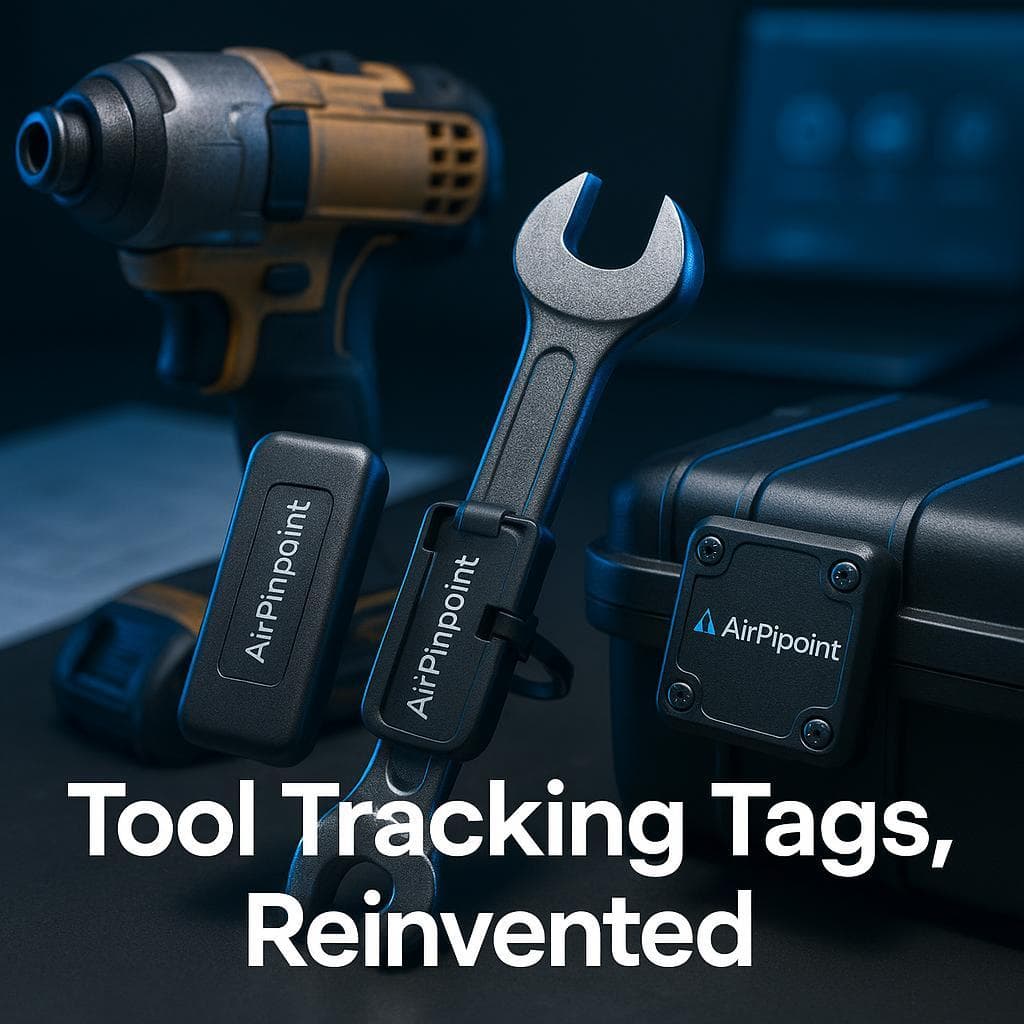
Tagging tools is less about the tag and more about two decisions: which tools are worth a tag, and where on the tool you hide it. Get the placement wrong, seal it in metal, mount it in plain sight, and the tag either goes silent or gets tossed by the first thief who spots it. Get it right and a $29 tag recovers a $400 drill or a whole van of tools.
Updated July 2026. For the platform that manages the tags, see best tool tracking software; for equipment-grade mounting on machines, see equipment tracking tags.
Which Tools to Tag
Tag anything worth more than the tag that can move:
- Power tools over ~$150: drills, impact drivers, circular and reciprocating saws, grinders, nailers, rotary hammers, laser levels.
- The containers, not just the tools: tool bags, rolling job boxes, gang boxes. One tag on a job box covers everything inside it.
- The vehicle itself: the work van or truck. This is the one crews skip and regret. In 2025, 76 percent of tool thefts were from vans, most by "peel and steal" attacks that force the door skin back, and 94 percent of victims in one survey never recovered anything. A tag in the van and one in the job box catch the haul even when individual tools are not tagged.
Where to Hide the Tag
A Find My tag reports over Bluetooth at roughly 30 to 100 feet in open air, and metal is its enemy. A solid metal enclosure blocks the signal almost entirely, so a tag sealed inside a steel tool chest only pings when a phone is nearly on top of it.
Hide for a radio path, not just concealment:
- Inside a case or bag, tucked into padding or a void, near a fabric or plastic panel rather than pressed against metal.
- Battery-compartment cavities, handle voids, or under a removable base plate on larger tools.
- Behind a plastic trim panel in the van, not inside a sealed steel box in the van.
- Keep one side facing plastic or an opening. Pressing the tag flat against a large metal surface creates a partial Faraday-cage effect that shortens detection even when it still reports.
Real Specs, Not Inflated Ones
| Spec | Standard Find My tag |
|---|---|
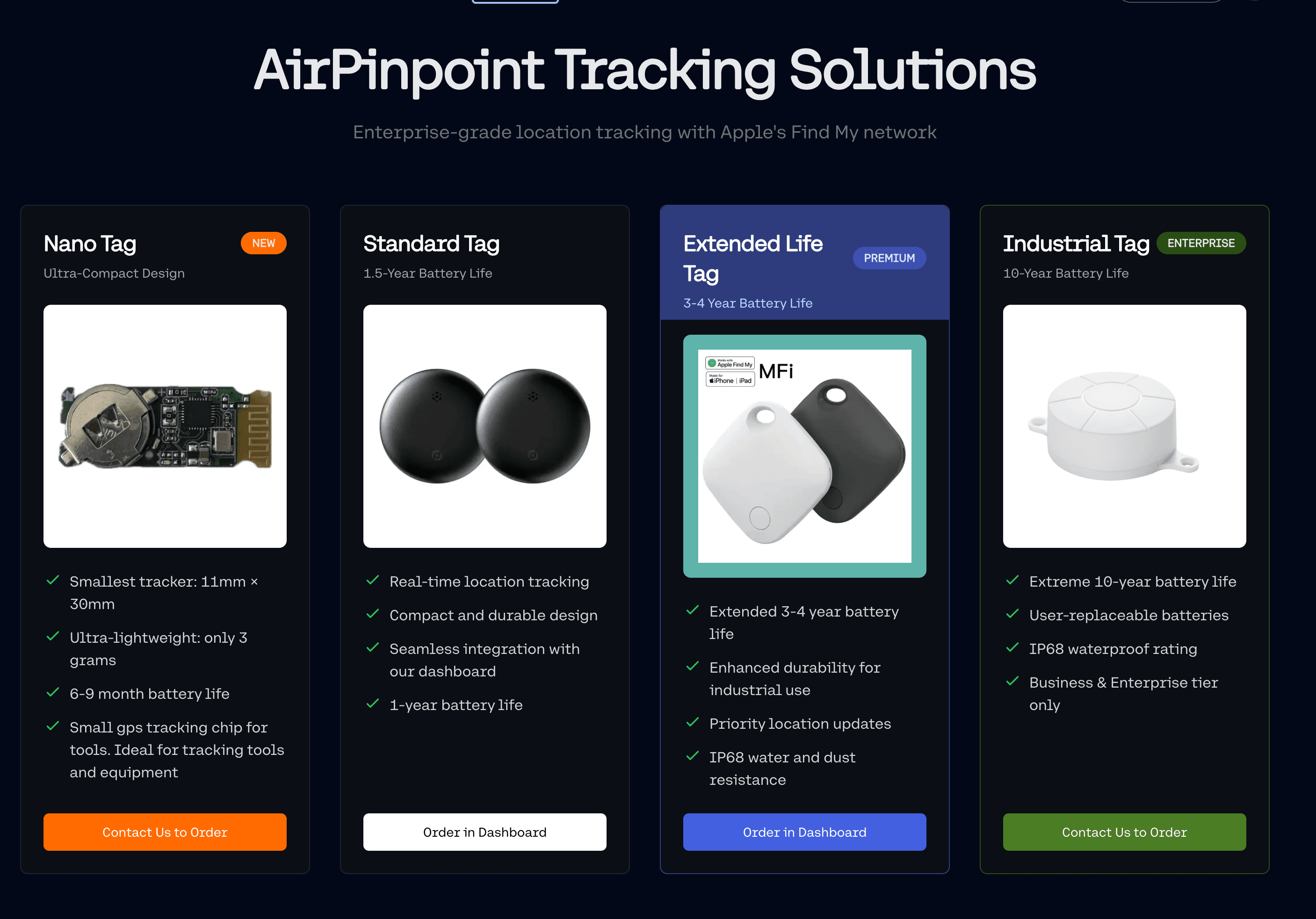
| Battery | CR2032 coin cell, over 1 year (not 3 to 5) |
| Water/dust | IP67 (submersion to 1 m for 30 min) |
| Temperature | -4F to 140F (-20C to 60C) |
| Recurring fee | None on the tag; no SIM |
For tools that sit in cold storage or a truck through winter, note that a CR2032 loses 15 to 20 percent of capacity around -20C and can droop under its shutdown voltage during a radio pulse, so plan a battery check after a hard freeze.
Tamper Reality and the Bait Setup
Any tag a thief finds, a thief can remove. The answer is not a "tamper-proof" claim; it is hiding the tag and stacking the odds. Run a bait setup: a visible decoy tracker plus a hidden Find My tag. A thief who finds and kills the obvious one leaves the real one reporting, which is exactly how a Virginia carpenter tracked his stolen tools to a Maryland storage facility where police recovered roughly 15,000 tools worth $3 to $5 million across a dozen units.
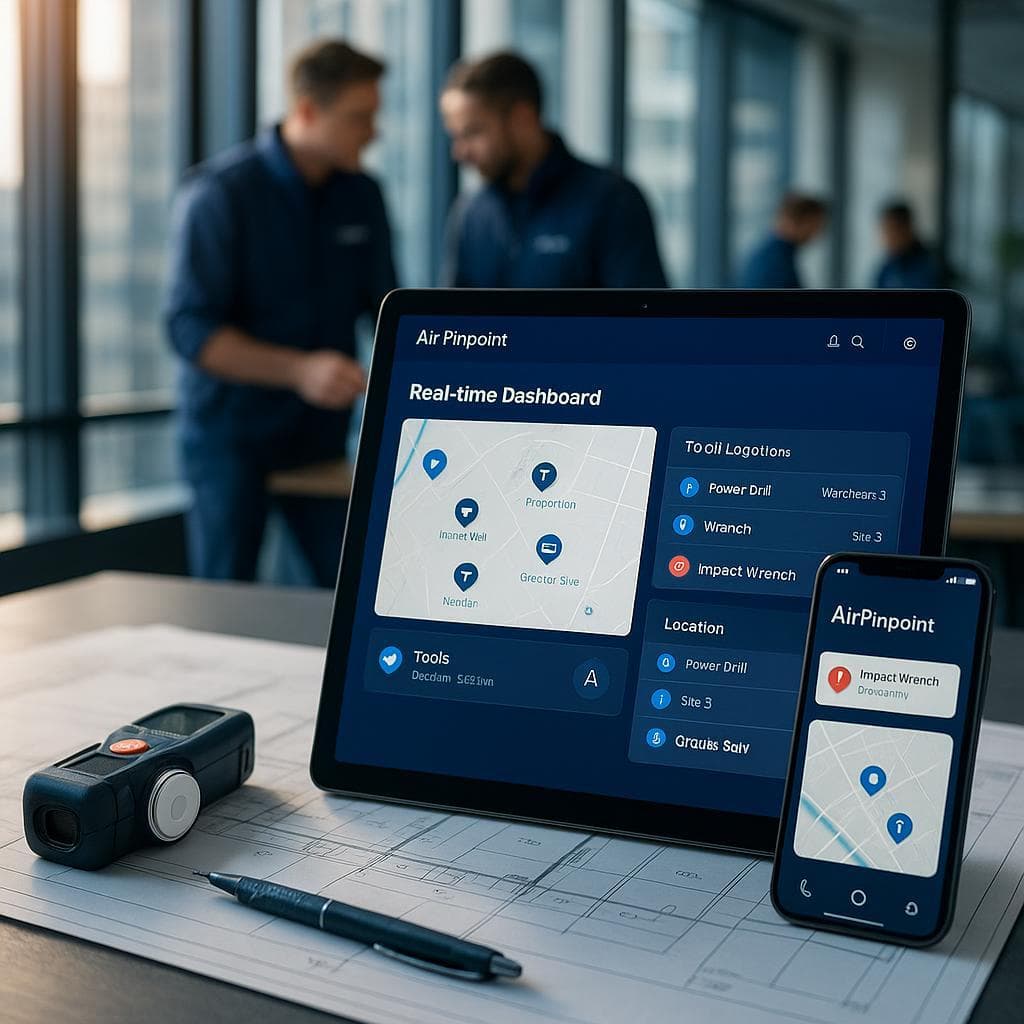
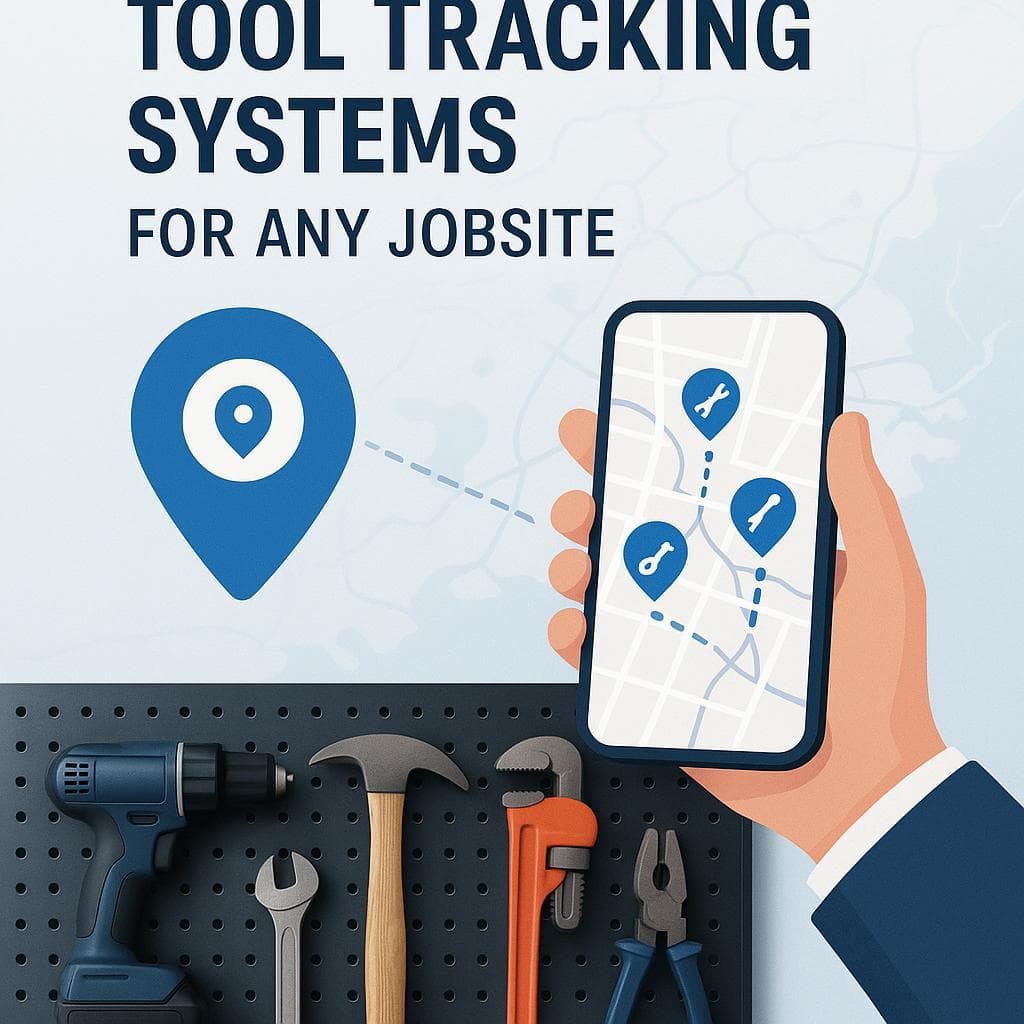
Airpinpoint manages the tags at $11.99 per tag per month, shards past Apple's 32-item limit so a crew runs hundreds of tags under one login, and fires a geofence alert by email or webhook once seven consecutive reports agree a tagged tool or bag has left the shop or site, which in town is 15 to 40 minutes after the crossing.
Where to Go Next
- Best tool tracking software: the platforms ranked, with a real pricing matrix.
- Tool tracking app: what the field app should do.
- Tool tracking system: tags, network, and app across job sites.

 Our Solution