
Event Rental Management Software
Event rental management software is the system a party rental, tent, AV, or production company uses to run its inventory and orders. It answers which chairs, linens, speakers, or truss sections are free on a given date, turns that into a quote and contract, and schedules the trucks that deliver and collect it. This page compares the main platforms, lists the features worth paying for, and covers the gap most of them leave: knowing where a case or trailer physically is once it leaves the warehouse.
What Event Rental Software Does
| Job | What the software handles |
|---|---|
| Availability | Blocks items once they are booked so two events cannot claim the same stock |
| Quotes and contracts | Builds a quote from inventory, converts it to a contract, and collects a signature |
| Payments | Takes deposits, balances, and damage charges |
| Logistics | Plans delivery and pickup routes and assigns crews |
| Check-out and check-in | Records what left on each order and what came back, often by barcode or QR scan |
| Maintenance | Flags items for cleaning, repair, or retirement |
Event Rental Management Software Compared
| Platform | Built for | Strengths to check |
|---|---|---|
| Goodshuffle Pro | Party and event rental companies | Quotes, contracts, and online storefront tied to inventory |
| TapGoods | Party and tent rental | Online booking and delivery routing |
| Booqable | Rental shops selling online | Web store and booking widget |
| Point of Rental | Larger rental operations | Multi-location inventory and accounting integrations |
| Rentman | AV and event production | Crew scheduling alongside equipment planning |
| Current RMS | AV, lighting, and staging rental | Serialized items, kits, and repair tracking |
| Flex | Production and AV rental houses | Warehouse workflow and serialized inventory |
| EZRentOut | General equipment rental and checkout | Barcode and QR check-out with a simple setup |
Pricing changes often and most vendors tier it by users or order volume, so take the current numbers from each vendor's pricing page and ask for a quote at your real order count.
AV Rental Software: What Production Houses Need
AV and production rental differs from party rental in three ways that decide which software fits.
- Kits and serialized items. A speaker package might be ten serialized pieces in four cases. The software has to book the kit as one line and still track every serial number in it.
- Crew with the gear. Many AV orders include technicians, so scheduling people and equipment in the same calendar saves a second system.
- Repair status. A mixer that comes back with a dead channel needs to drop out of availability until it is fixed.
Rentman, Current RMS, and Flex are built around this workflow. Party rental platforms can handle a small AV inventory, but check how they handle kits and serials before committing.
Features That Matter When You Compare Platforms
- Real availability. Stock counts should update the moment an order is confirmed, including items still out on a previous job.
- Online booking. Customers who can check dates and book without a phone call convert faster.
- Route planning. Delivery and pickup are where event rental margins disappear, so routing and driver apps matter.
- Barcode or QR check-in. Scanning every item on return is the only reliable way to catch shortages before the deposit is refunded.
- Accounting sync. QuickBooks or Xero integration avoids keying invoices twice.
- Damage and loss records. Charging a client for a missing item needs a record of what left and what came back.
The Gap: Rental Software Does Not Know Where Your Gear Is
Rental software tracks orders. It knows a lighting case is assigned to Saturday's wedding and due back Monday. It cannot tell you whether that case is still at the venue, on the truck, or sitting in a crew member's garage. When something goes missing between scans, the system shows it as "out" until someone notices.
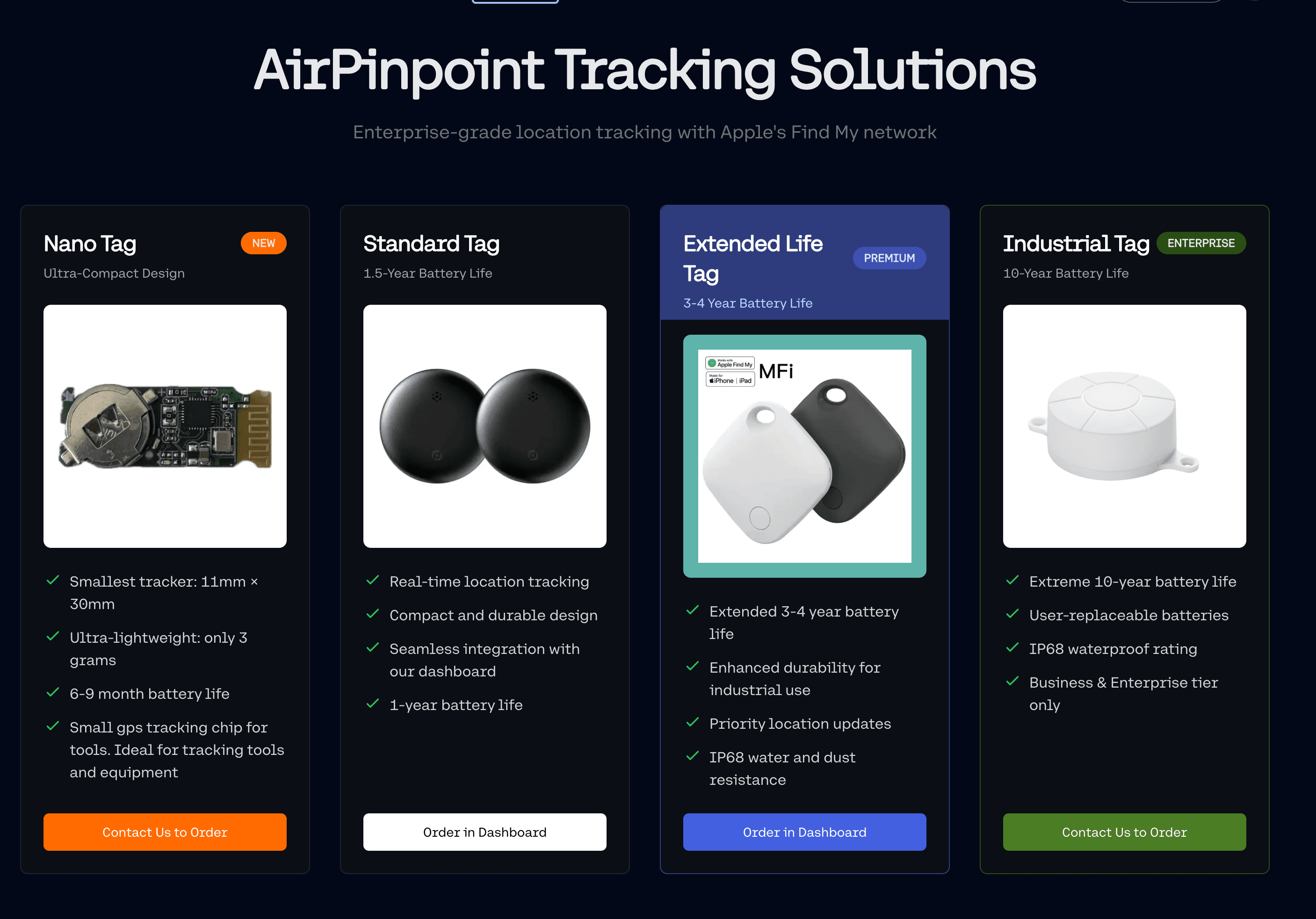
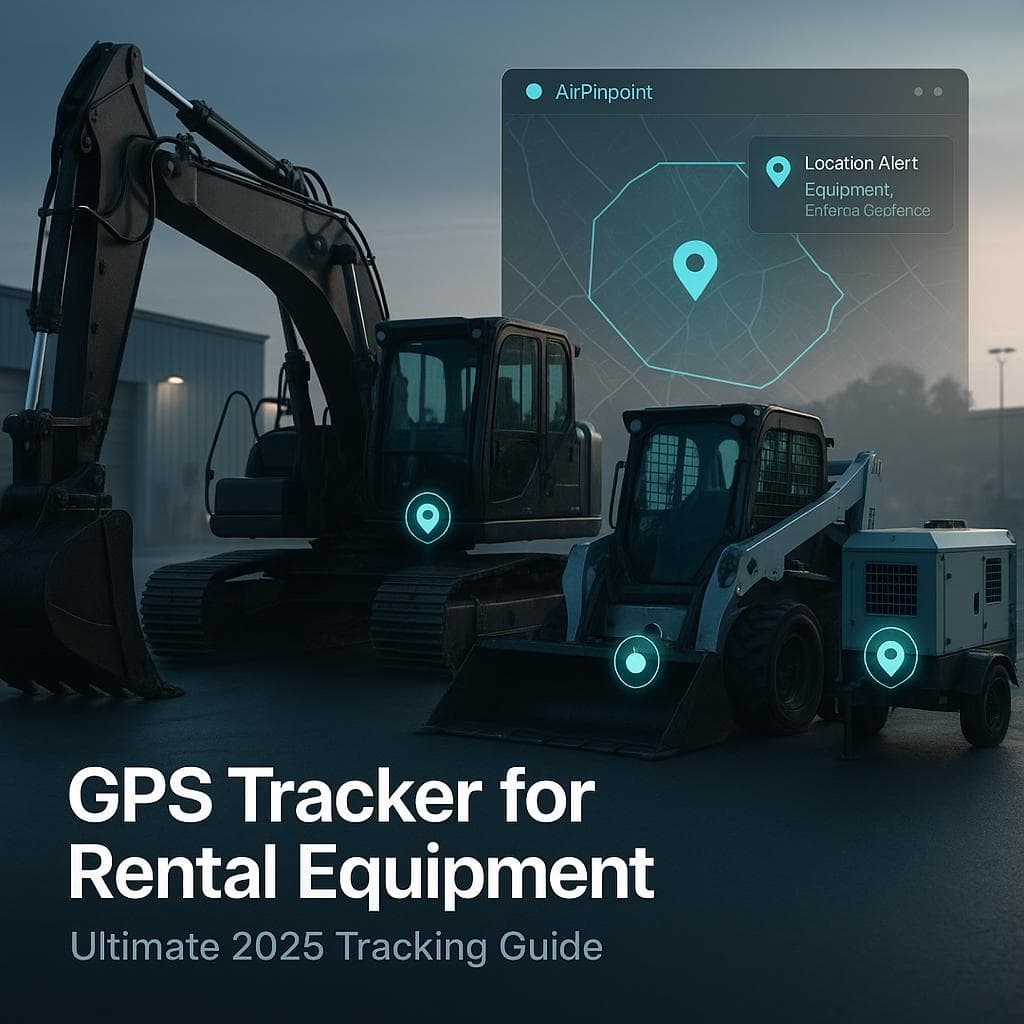
A location tracker fills that gap. An AirTag costs $29, fits inside a road case, cable trunk, or tent bag, and reports its position through Apple's Find My network wherever iPhones pass by, with no monthly fee from Apple. Find My shows only a limited number of items per Apple ID, so a rental company with hundreds of cases needs a fleet dashboard. Airpinpoint puts every AirTag on one map, keeps a location history for each one, and sends alerts when a tagged item leaves a venue or the warehouse.
| Where to put a tag | Why |
|---|---|
| Road cases and racks | Highest value per item and the easiest place to hide a tag |
| Trailers and box trucks | One tag covers everything loaded inside |
| Tent and staging bags | Large, expensive, and often left at venues after the event |
| Generators and power distros | Frequent theft targets at outdoor events |
Pair the tracker with your rental software by recording the tag name against the item or kit, so a missing item in the order system maps straight to a location on the Airpinpoint map. For more on tracking gear across events, see the event company tracking guide and the general equipment rental software comparison.
How to Choose
- List your inventory by type: bulk items like chairs and linens, serialized items like speakers, and kits.
- Count orders per month and users who need logins, since that sets the price tier.
- Shortlist platforms built for your segment from the table above, party rental or AV and production.
- Run a trial with a real week of orders, including a change and a cancellation.
- Decide how you will track physical location, and tag your highest-value cases before the next busy season.


 Our Solution