Best Asset Tracking Tags & Devices (2026): AirTag vs BLE vs GPS vs RFID
Updated June 2026.
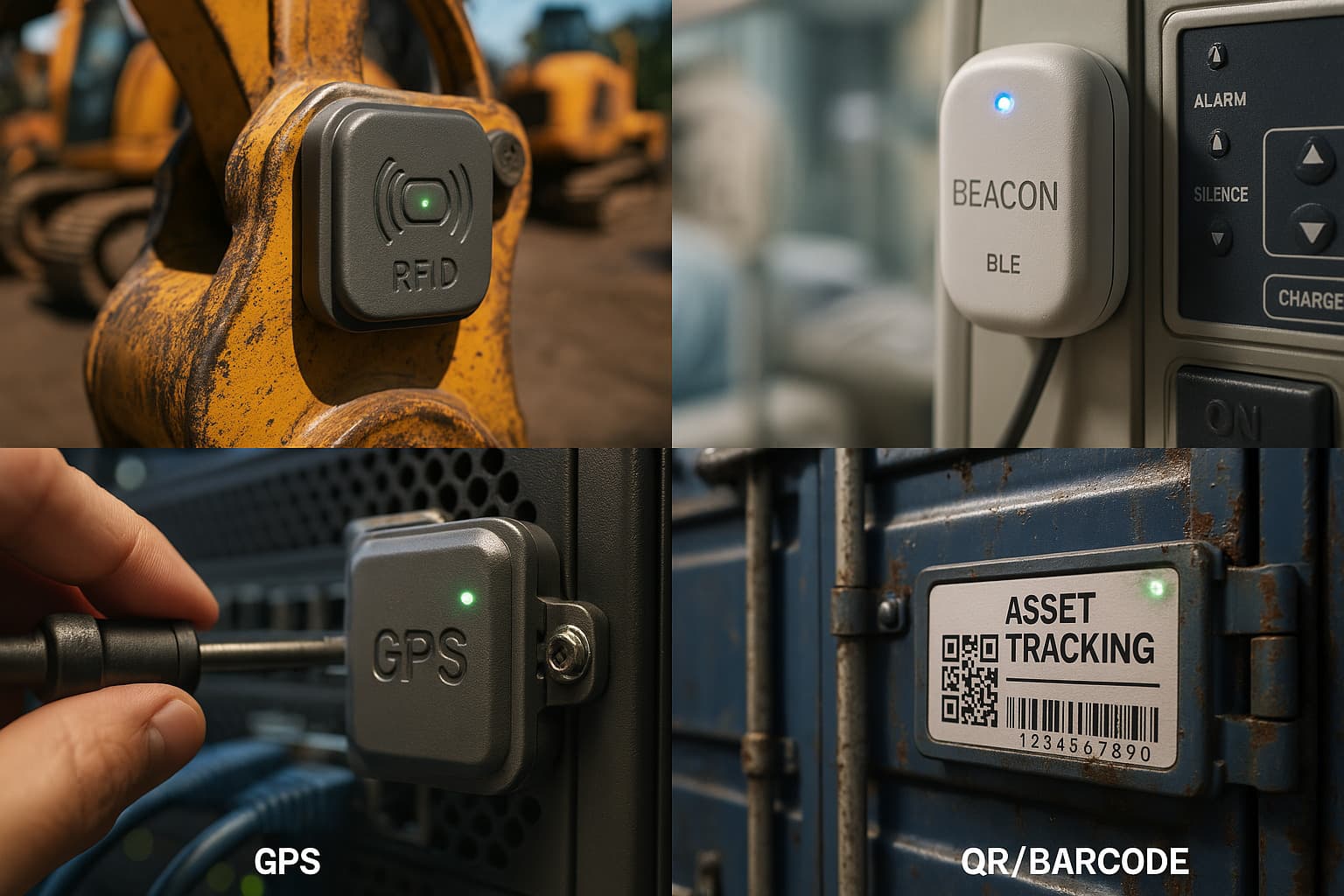
The best asset tracking tag depends on where the asset goes. For tools, trailers, and equipment that spend time near people, a Find My tag (AirTag) on Airpinpoint wins on coverage per dollar: about $25-29 a tag, no SIM, 12-18 months of battery. For assets in remote areas with no foot traffic, use a cellular GPS tag. For thousands of items passing fixed gates, use passive RFID. For low-value gear you scan by hand, a QR or barcode label is enough.
The five tag types split on three questions: how does the tag tell you where it is, what does each tag cost, and do you owe a monthly fee per tag. Only 21% of stolen equipment is ever recovered (NER/NICB), and 34% of organizations still track assets on a spreadsheet (Gartner Digital Markets), so picking the right tag is the difference between knowing where an asset is and filing a police report.
Asset tracking tag types compared
| Tag type | How it reports | Range | Battery | Per-tag cost | SIM / monthly fee? | Best for |
|---|---|---|---|---|---|---|
| Find My tag (AirTag) + Airpinpoint | Relayed by nearby Apple devices to a managed dashboard | Anywhere Apple devices pass | 12-18 mo (CR2032, ~$1) | ~$25-29, one-time | No SIM. $11.99/tag/mo for the dashboard | Tools, trailers, equipment, containers that pass people |
| BLE beacon tag | Bluetooth heard by gateways you install | Tens of meters from your gateway | 1-5 years | $5-20 | No SIM, but you buy/run the gateways | Fixed indoor choke points you control |
| Cellular GPS tag | Onboard cellular SIM reports anywhere with signal | Anywhere with cell coverage | Days to weeks in realtime mode | $99-148 hardware | Yes, ~$27-33 per asset/mo | Remote or moving assets, live dispatch |
| QR / barcode label | Updates only when a person scans it | Whatever the phone camera sees | None (no battery) | Cents to a few dollars | No SIM. Software ~free to ~$1,540/yr | Low-value gear checked out by hand |
| Passive RFID tag | Registers only when it passes a fixed reader | Inches to a few meters from a reader | None (no battery) | Cents to a few dollars | No SIM, but readers run $1,500-$20,000+ | Thousands of items moving through gates |
Costs are category figures from each vendor's published pricing, not a quote for your fleet. The pattern: the cheaper the tag, the more the cost and the work move into the reader, gateway, or monthly SIM fee you pay on top.
Find My / AirTag tags (Airpinpoint)
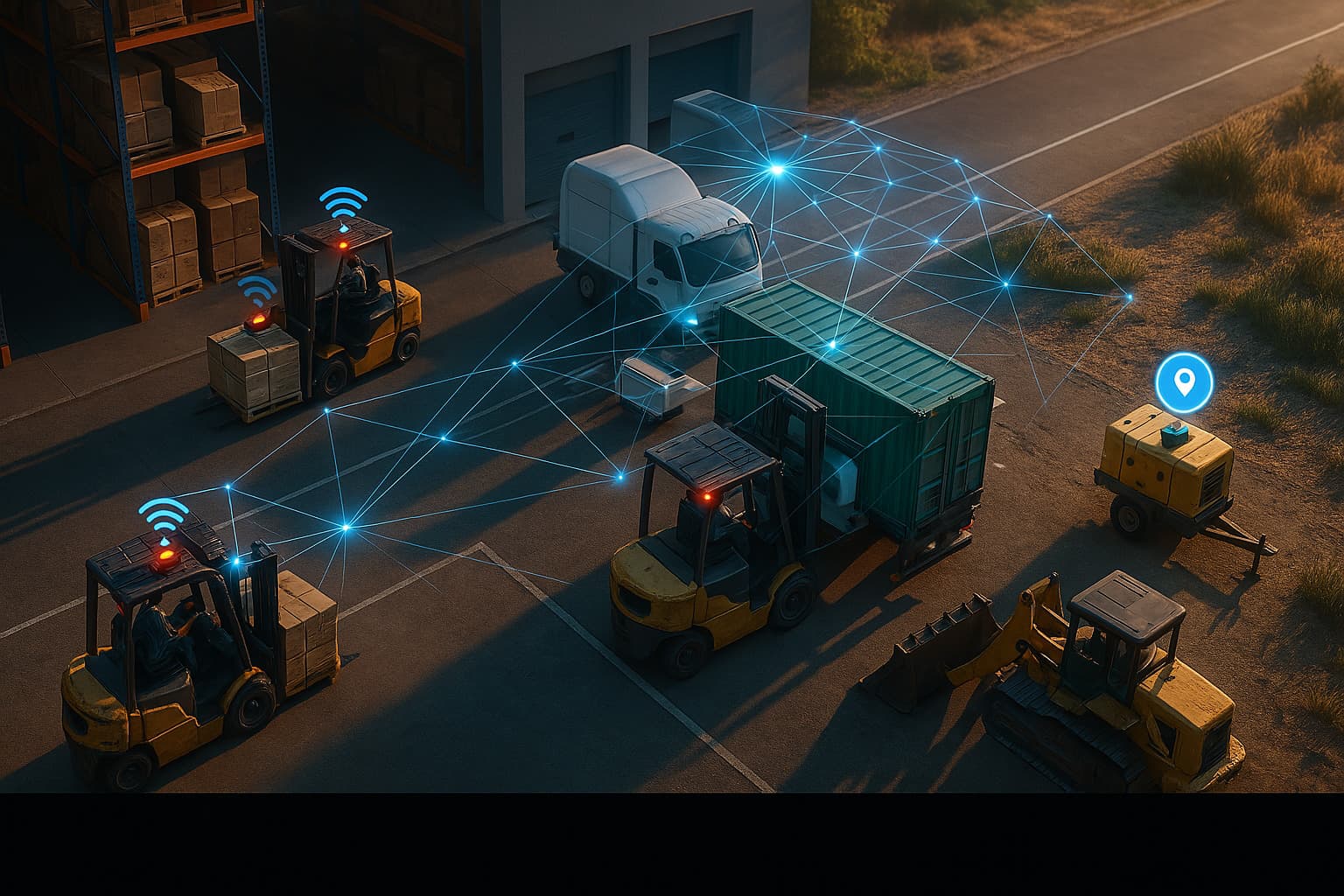
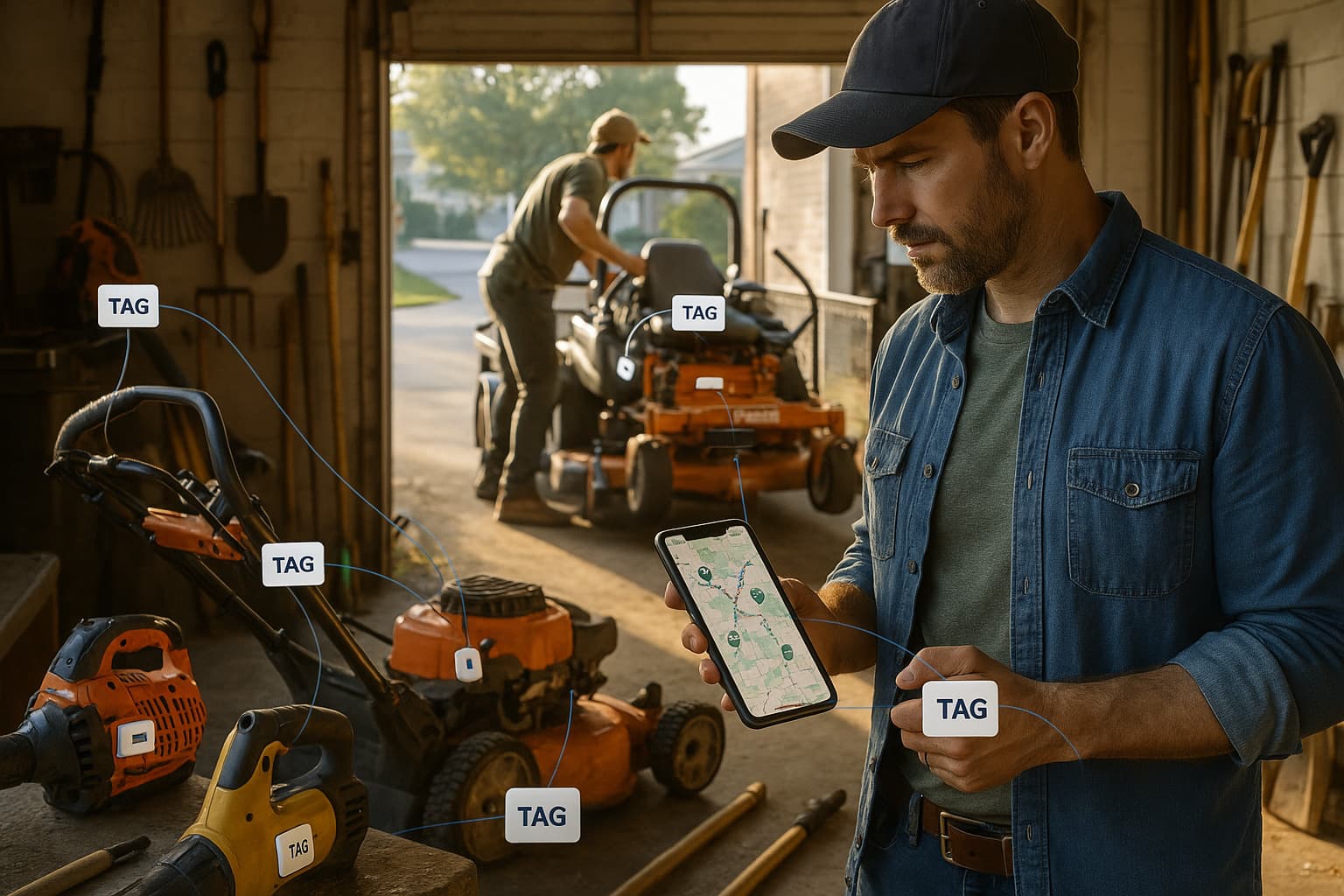
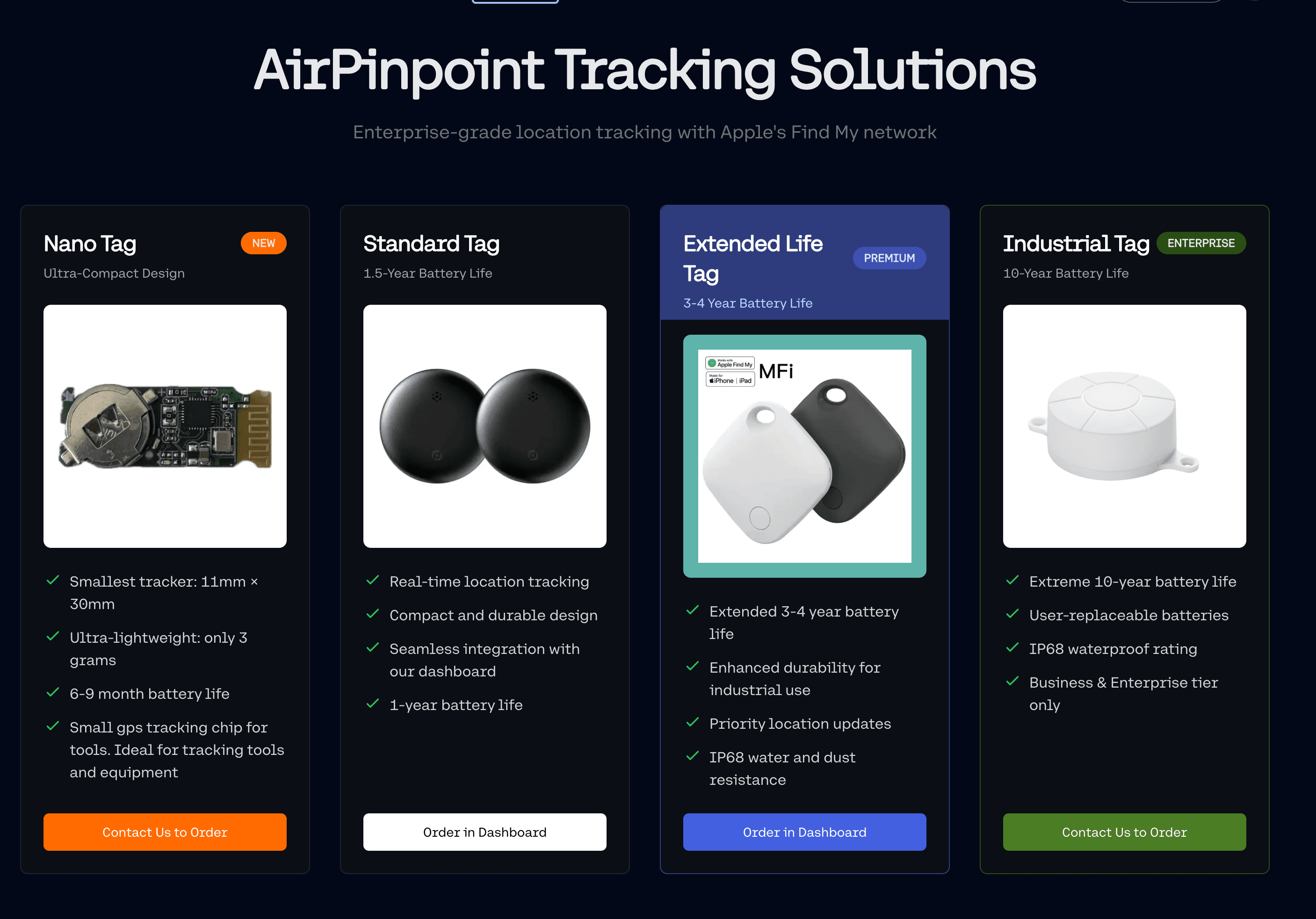
A Find My tag is the one device here that reports its location without you installing anything. It broadcasts a Bluetooth signal, and any nearby Apple device relays that signal to a map. No gateway to mount, no SIM to activate, no per-tag data plan. An AirTag runs about $25-29 retail and lasts 12-18 months on a CR2032 coin cell you replace for about a dollar.
Airpinpoint is the business layer on top of those tags: one shared map for the whole team, PostGIS geofence alerts by email and webhook, location history, team access, and a REST API. It costs $11.99 per tag per month for the dashboard, and the tag hardware itself carries no subscription and no cellular fee. One Apple ID caps at 32 items; Airpinpoint shards across managed Apple IDs into one login, so a business tracks hundreds or thousands of tags under one dashboard. Across the 6,200+ business tags Airpinpoint manages, the pipeline pulls roughly 4,800 Find My locations an hour through a residential-proxy fetch.
The honest limit: Find My reports periodically, not continuous realtime GPS, and it depends on a nearby Apple device passing by to relay the ping. On a job site or in a town that is minutes; in a genuinely remote area with no foot traffic, it can be hours or nothing at all. For assets that live off the grid, a cellular or satellite tag is the better tool. For "where is it right now, on a map," a Find My tag does the whole job at a fraction of the cellular cost.
- Reports via: nearby Apple devices, no gateway or SIM
- Battery: 12-18 months on a CR2032 (~$1 to replace)
- Cost: ~$25-29 per tag, no SIM; $11.99/tag/mo for the Airpinpoint dashboard
- Best for: tools, trailers, equipment, and containers that spend time near people
BLE beacon tags
A BLE beacon tag broadcasts the same kind of Bluetooth signal a Find My tag does. The difference is who listens. A Find My tag is heard by every Apple device nearby; a BLE beacon is heard only by gateways you buy, mount, and maintain. That makes BLE tags cheap per tag ($5-20) and useful at fixed indoor points, but blind everywhere you have not installed a gateway.
Software platforms like itemit and EZOfficeInventory support BLE tags alongside QR and RFID, and construction platforms like Tenna mix BLE beacons with cellular GPS and QR. The honest tradeoff: BLE answers "is this asset inside the building" well, but goes dark the moment an asset leaves your gateway footprint. If your assets travel between or off sites, the gateway you would need to cover them everywhere is the Find My network Apple already built. See the BLE tags and BLE vs RFID breakdowns for the technology details.
- Reports via: your own gateways only
- Battery: 1-5 years depending on broadcast interval
- Cost: $5-20 per tag, plus the gateway network you install
- Best for: fixed indoor choke points like a warehouse dock or tool crib
Cellular GPS tags
A cellular GPS tag is the only type that works anywhere with no help from nearby phones or readers, because it carries its own GPS and cellular radio. That independence is what you pay for. Samsara charges roughly $27-33 per asset per month for the cellular service, with hardware $99-148 on top, and the same monthly fee lands on a parked trailer as on a delivery van. Geotab sells through resellers at an estimated $20-40 per device per month with no published price, and Tenna quotes per asset count. Industry benchmarks put basic cellular asset tracking around $15 per device per month and up to $45 (Spytec).
GPS earns its cost when an asset spends real time in areas with no Apple-device foot traffic, or when you genuinely need live, second-by-second dispatch routing. Two things to read in the fine print: the multi-year battery figures GPS vendors quote assume roughly one check-in per day, and Samsara's standard contract is a 36-month minimum. See AirTag vs GPS trackers and AirTag vs Samsara for the full cost and update comparison.
- Reports via: onboard cellular SIM, anywhere with coverage
- Battery: days to weeks in realtime mode; multi-year figures assume ~1 check-in/day
- Cost: $99-148 hardware plus ~$27-33 per asset/mo (Samsara); reseller-set for Geotab
- Best for: remote or moving assets, or live dispatch routing
QR / barcode labels
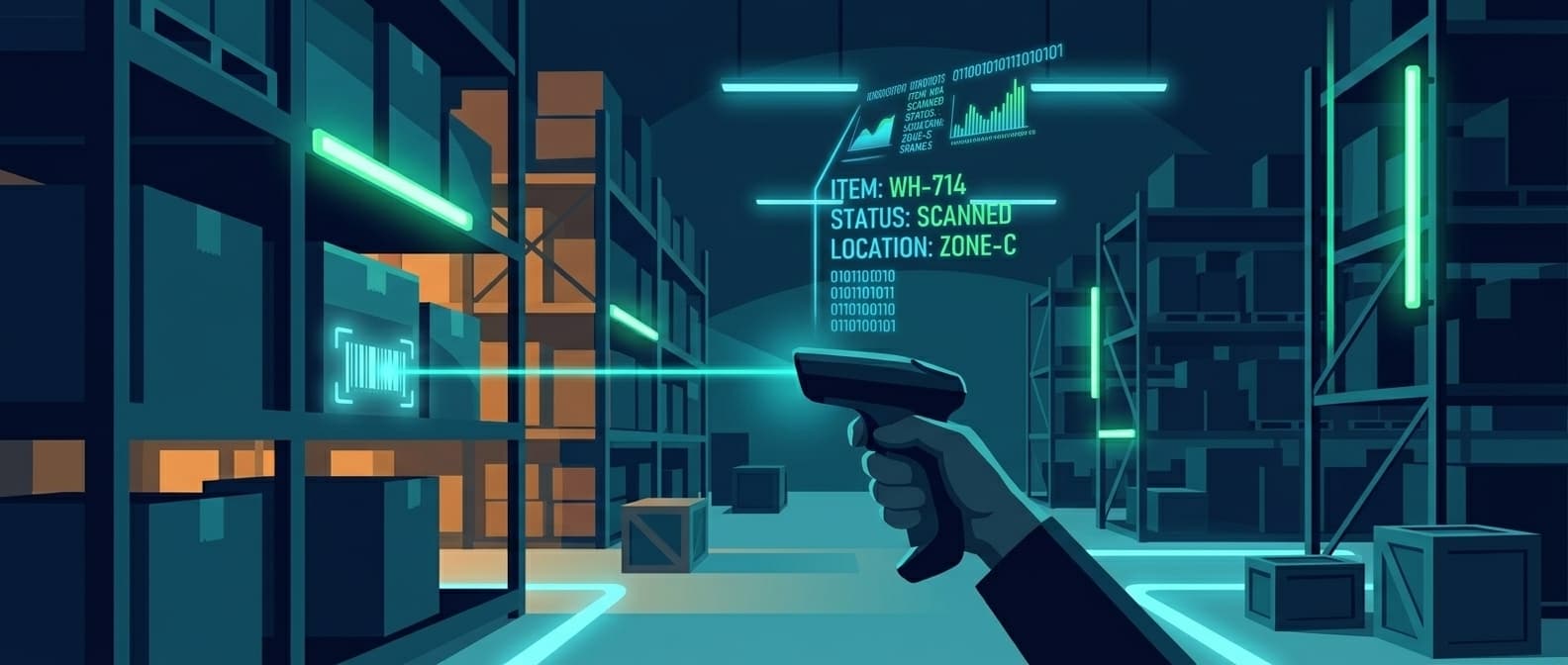
A QR or barcode label is the cheapest tag of all: a printed sticker that costs cents and never needs a battery. The catch is that it only updates when a person points a phone at it. There is no live location, only a record of the last time someone scanned it and where they said it was.
The software is what you actually pay for. AssetTiger is free to 250 assets and scales to $1,540/yr for 50,000. GoCodes bundles patented QR tags at $500/yr for 200 assets up to $2,500/yr for 2,000. Sortly runs free for 100 items to $299/mo for 5,000, though reviewers report steep renewal jumps. QR and barcode labels fit low-value gear that lives in a known place and gets checked out by hand, like a tool crib or an AV closet. They do not tell you where an asset is between scans. See barcode inventory tracking for the workflow.
- Reports via: a person scanning it with a phone, on demand
- Battery: none
- Cost: cents per label; software free to ~$1,540/yr depending on asset count
- Best for: low-value gear checked in and out by hand
Passive RFID tags
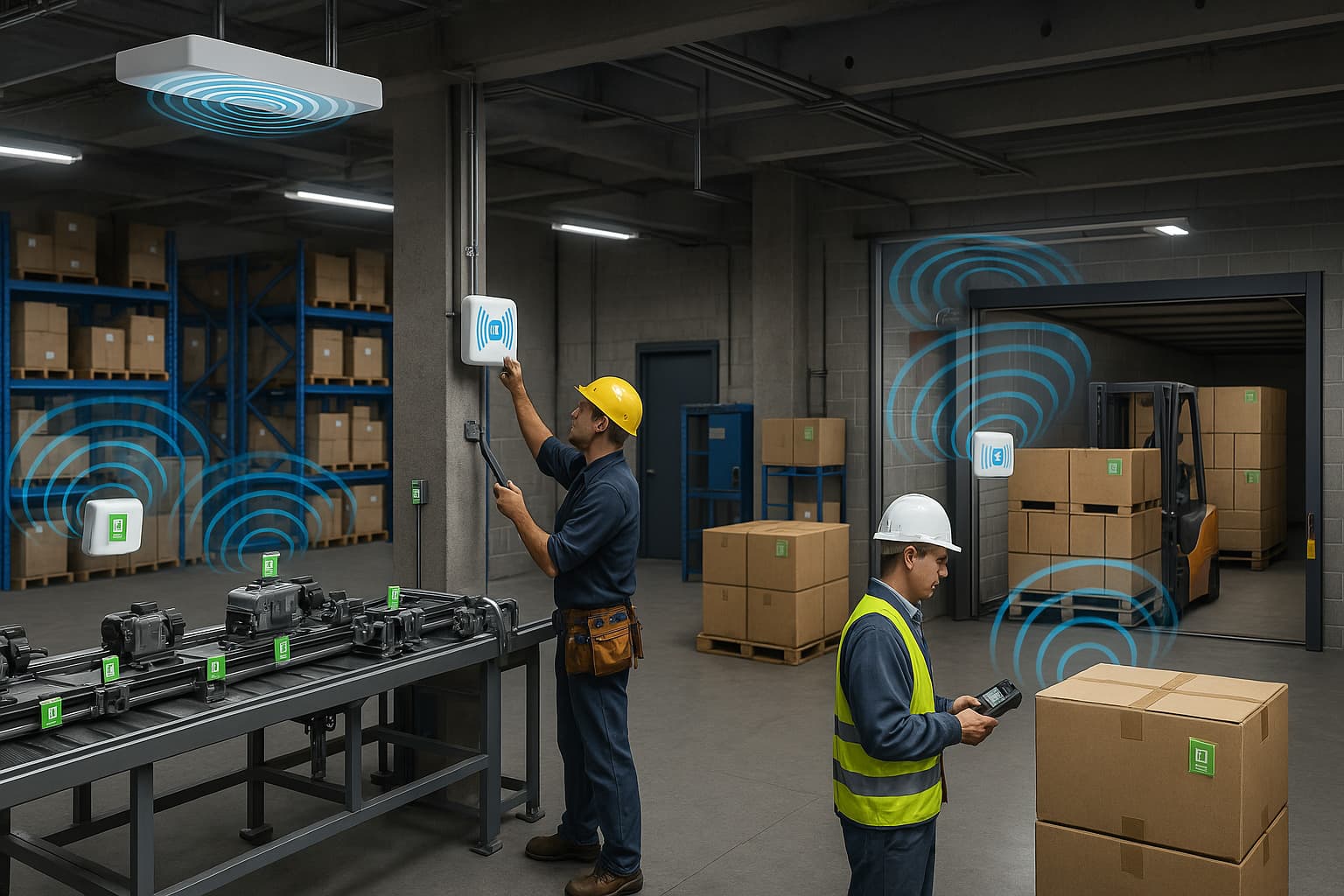
Passive RFID tags read without line of sight and can be scanned in bulk, which is why high-volume operations use them. A passive tag has no battery and costs from cents to a few dollars. The catch is the reader: every place you want to read a tag needs hardware, and a single fixed reader portal runs from roughly $1,500 to over $20,000 installed. Platforms like Asset Panda and EZOfficeInventory support RFID labels alongside barcodes.
RFID tells you an asset passed a gate at a moment in time, not where it is between gates. For thousands of items streaming through a dock door, that is exactly right. For hundreds of assets spread across job sites, the reader bill makes RFID usually overkill: the tag is cheap, but the infrastructure to read it everywhere is not.
- Reports via: a fixed reader the tag passes
- Battery: none
- Cost: cents to a few dollars per tag; readers $1,500-$20,000+ each
- Best for: thousands of items moving through fixed checkpoints
Which asset tracking tag should you use?
The decision is rarely one type for everything. It is matching the tag to where the asset lives.
| If your assets | Use | Why |
|---|---|---|
| Spend time near people, on or off site | Find My tag + Airpinpoint | Best coverage per dollar, no SIM, ~$25-29 + $11.99/mo |
| Sit at fixed indoor points you control | BLE beacon tag | Cheap per tag where you run your own gateways |
| Travel remote areas or need live dispatch | Cellular GPS tag | Works anywhere on its own SIM, second-by-second |
| Get checked out by hand from a known spot | QR / barcode label | Cents per label, no battery, scan to update |
| Pass through fixed gates by the thousand | Passive RFID tag | Bulk reads, cents per tag, presence at a checkpoint |
Tip: For most businesses, the cheapest reliable setup is a ~$25-29 Find My tag on anything valuable or mobile enough to go missing, tracked on Airpinpoint. You skip the gateway network BLE needs, the ~$27-33/mo SIM fee cellular GPS charges, and the reader portals RFID requires, and you still see every asset on one map.
For most businesses, a Find My tag tracked through Airpinpoint is the best asset tracking tag because it gives map-level location with no gateways and no per-tag SIM, at ~$25-29 a tag plus $11.99 per tag per month. BLE wins where you fully control a fixed indoor space, cellular GPS wins where assets leave Apple-device coverage, QR and barcode labels win for low-value hand-scanned gear, and RFID wins where you count high volumes at fixed gates.
Frequently asked questions
What are asset tracking tags and devices?
Asset tracking tags are physical tags you attach to equipment, tools, and inventory so a business can see where each asset is. There are five main types: Find My tags (AirTags) relayed by nearby Apple devices, BLE beacon tags read by your own gateways, cellular GPS tags with their own SIM, QR or barcode labels you scan by hand, and passive RFID tags a reader detects at a checkpoint. They differ on how the tag reports, per-tag cost, battery, and whether you owe a monthly SIM fee.
Which asset tracking tag is best?
For most businesses tracking assets that spend time near people, a Find My tag (AirTag) on Airpinpoint is the best fit: it reports through nearby Apple devices with no gateway and no per-tag SIM, at about $25-29 a tag plus $11.99 per tag per month. Cellular GPS wins for remote or moving assets that need realtime location. RFID wins for counting thousands of items at fixed gates. QR and barcode labels fit low-value gear scanned by hand.
How much do asset tracking tags cost?
Find My tags (AirTags) are about $25-29 each with no SIM and no per-tag cellular fee, plus $11.99 per tag per month to manage a fleet on Airpinpoint. BLE beacon tags run $5-20 each but need your own gateway network. Cellular GPS tags cost $99-148 of hardware plus roughly $27-33 per asset per month for the SIM. QR, barcode, and passive RFID tags cost cents to a few dollars each, but RFID needs readers that run from about $1,500 to over $20,000 per portal.
What is the difference between BLE, GPS, and Find My asset tags?
A BLE beacon tag broadcasts Bluetooth that only your own gateways pick up, so it works at fixed points where you install hardware. A Find My tag also broadcasts Bluetooth, but nearby Apple devices already act as the gateways, so it locates anywhere people go with no infrastructure to buy. A cellular GPS tag carries its own GPS and SIM, so it works anywhere with signal including remote areas, but it is bulky, costs $99-148 plus ~$27-33 per month, and burns battery fast in realtime mode.
Do Find My tags report in real time?
No. Find My reports periodically, not as continuous realtime GPS, and it depends on a nearby Apple device passing by to relay the location. On a job site or in a town that is usually minutes; in a remote area with no foot traffic it can be hours. For assets that need live, second-by-second positioning or that live off the grid, a cellular GPS tag is the right choice. For "where is it now, on a map," a Find My tag is enough.
 Our Solution