Asset Tracking Tags: BLE, RFID, GPS, and Find My Compared
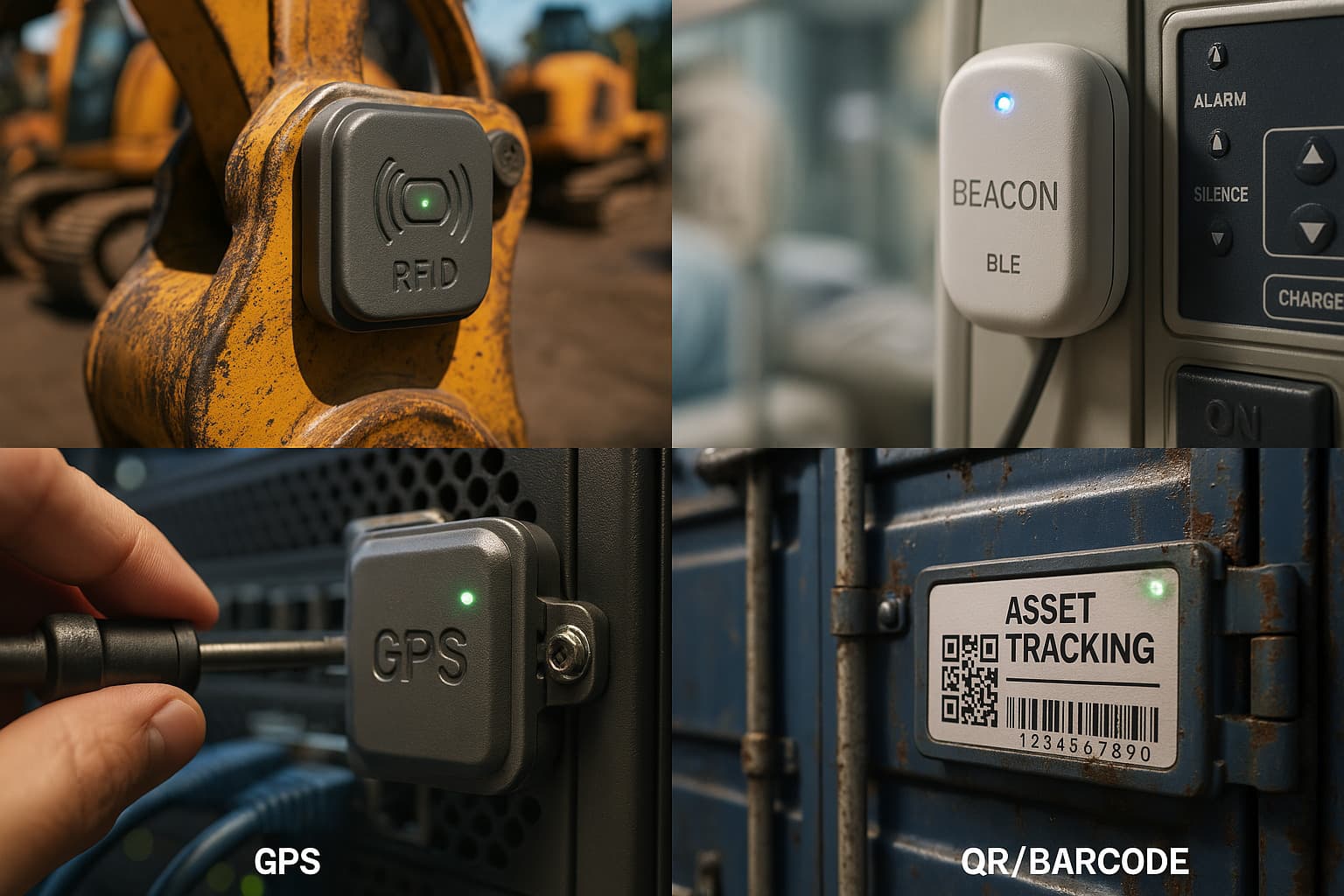
An asset tracking tag is the hardware half of an asset tracking system: the thing you physically attach to a tool, case, trailer, or laptop so software can tell you where it is. The four tag families solve different problems at very different prices, and picking the wrong one is how companies end up with $40,000 RFID reader installations to track $15,000 worth of tools.
Asset Tracking Tag Comparison
| Tag type | Hardware cost | Battery | Updates per battery | Infrastructure needed |
|---|---|---|---|---|
| Find My (AirTag) | $29 | 12+ months ($1 coin cell) | ~100,000+ (every 1-5 min in populated areas) | None |
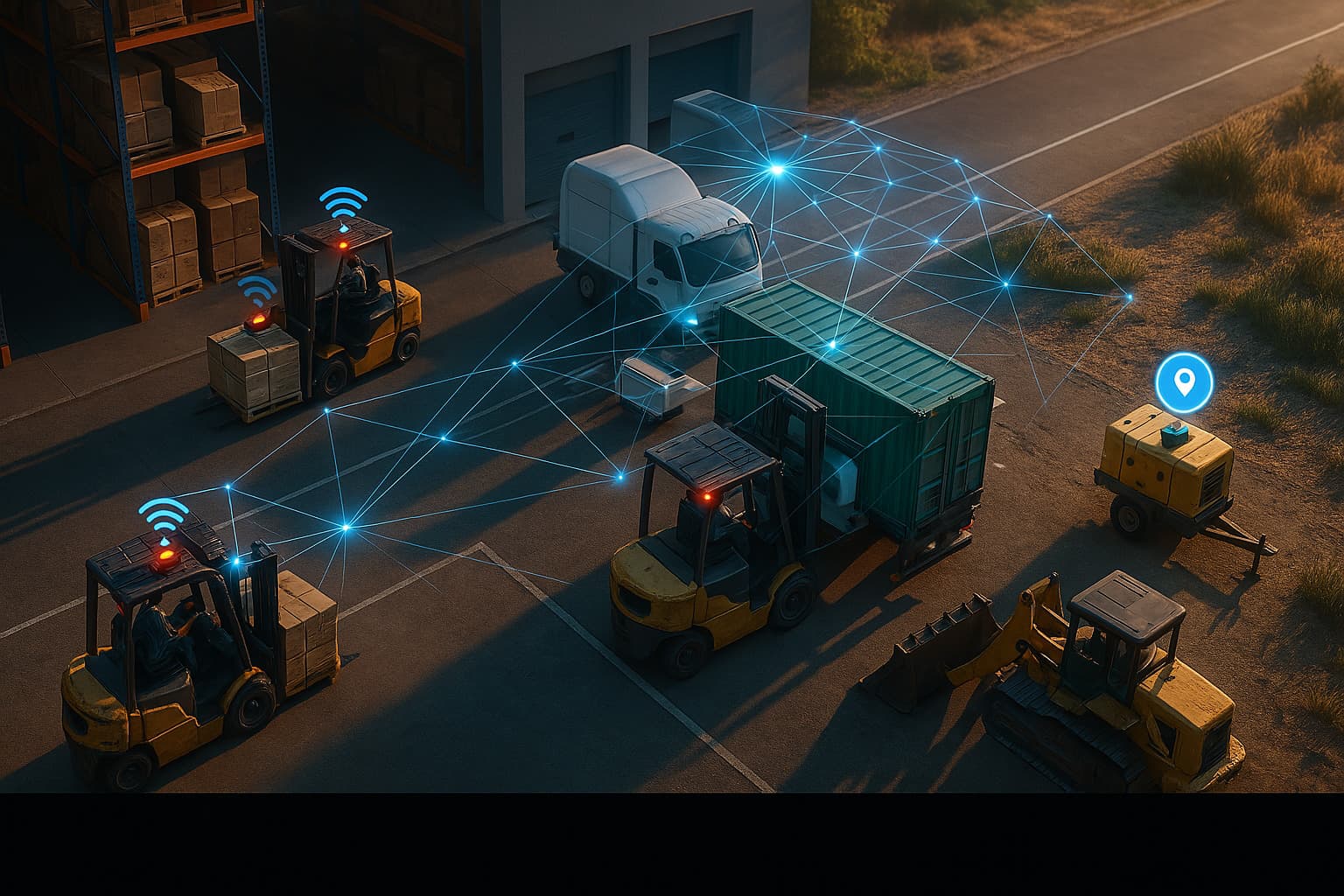
| BLE beacon | $15-50 | 3-5 years | High (low-power broadcasts) | BLE gateways per site |
| Passive RFID | $0.10-$3 | None | Only when scanned | Readers ($1,500-$20,000+ per portal) |
| Active RFID | $25-100+ | 3-5 years | Within reader range | Readers + antennas |
| GPS | $50-200 | Days at real-time; months at ~1 update/day | ~550-1,400 total (at advertised battery life) | None, but $5-25/mo SIM per tag |
Types of Asset Tracking Tags
Find My Tags (AirTags and Compatible Beacons)
- Battery Life: 12+ months (AirTag), up to 7 years (custom beacons)
- Cost: $29 per AirTag, no per-tag cellular fee
- Size: 32mm coin, or custom form factors
- Use Cases: Tools, equipment, trailers, cases, vehicles — anything that moves through populated areas
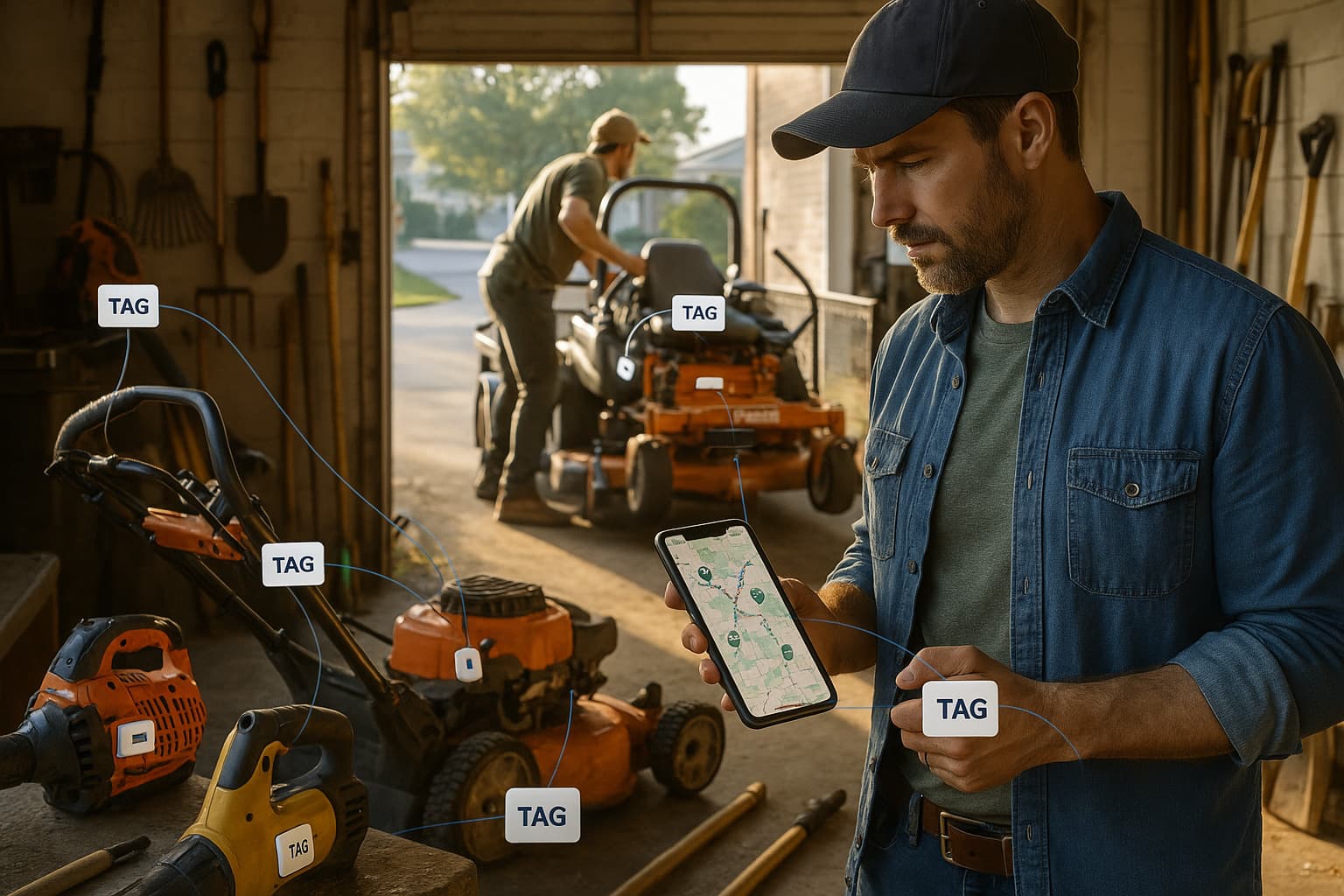
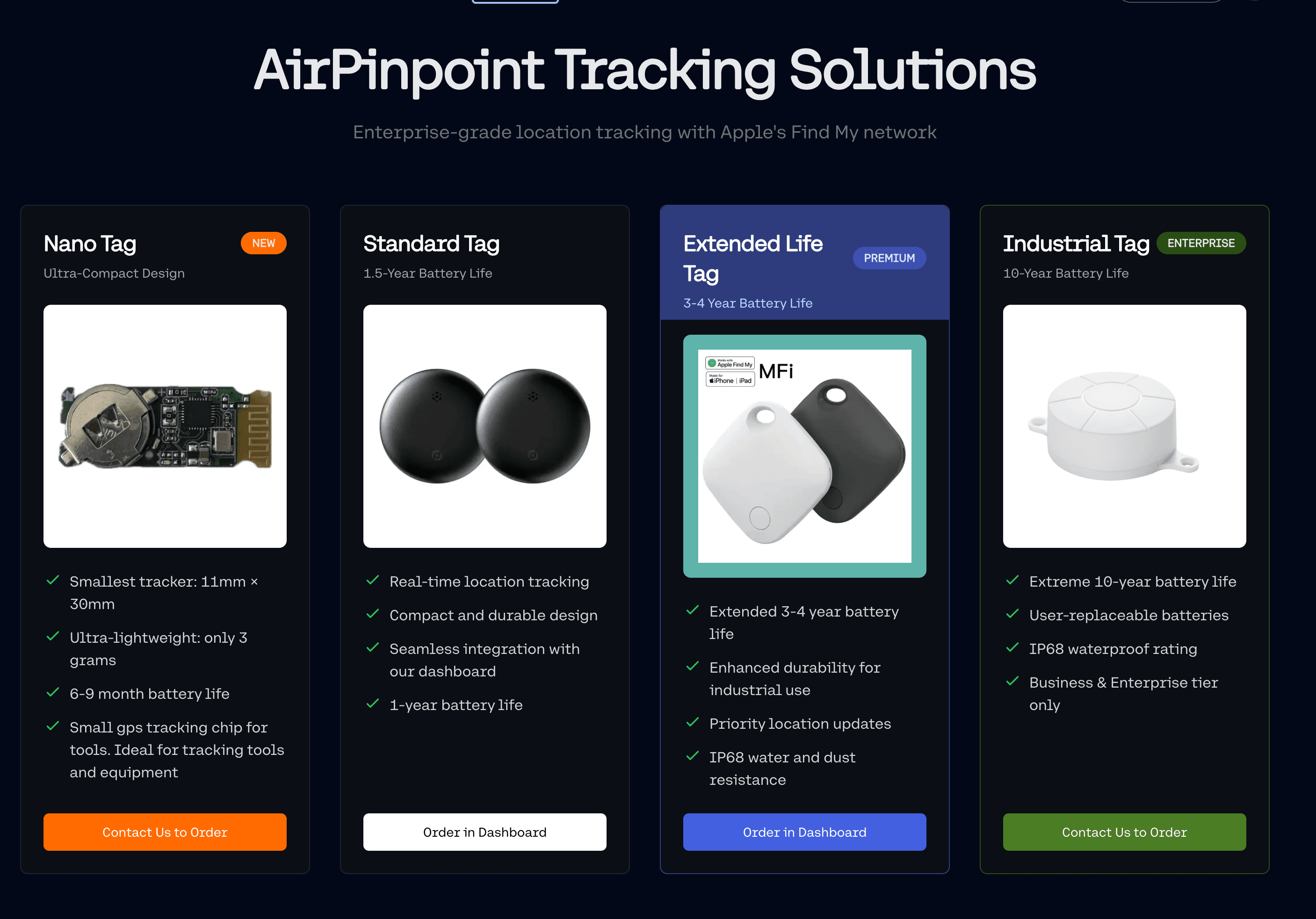
Find My tags broadcast Bluetooth like a BLE beacon, but instead of needing your own gateways, every iPhone within ~30 meters anonymously relays the tag's location. That removes the infrastructure line item entirely: tag the asset, see it on a map. Airpinpoint adds the business layer — one shared map, geofence alerts, location history, and team access — for $11.99/device/month.
The limitation is update cadence. Locations refresh when Apple devices pass nearby (minutes in towns and job sites, longer in remote areas), so Find My tags are not the tool for live turn-by-turn dispatch.
BLE (Bluetooth Low Energy) Tags
- Battery Life: 3-5 years
- Cost: $15-50 per tag
- Size: Small and compact
- Use Cases: Indoor tracking within your own facilities — tools, laptops, hospital assets
Traditional BLE tags only report where your gateways are installed. Great for "which room of our warehouse," useless the moment the asset leaves the building. If assets travel between sites, Find My tags give the same battery economics with worldwide coverage.
RFID (Radio Frequency Identification) Tags
-
Passive RFID:
- Battery Life: No battery required
- Cost: $0.10-$3 per tag
- Size: Very small
- Use Cases: High-volume inventory counts, access control, doorway check-in/check-out
-
Active RFID:
- Battery Life: 3-5 years
- Cost: $25-100+ per tag
- Size: Medium
- Use Cases: Long-range tracking within instrumented yards and facilities
RFID's per-tag price is unbeatable, but the readers are where the money goes. A single fixed reader portal runs $1,500-$20,000 installed, and tags are invisible everywhere a reader isn't. RFID makes sense at thousands of items moving through fixed chokepoints; for hundreds of assets spread across job sites, it's usually overkill.
GPS Tags
- Battery Life: Days at real-time update rates; months only at ~1 update/day (battery-powered). Unlimited when hardwired.
- Cost: $50-200 per tag, plus $5-25/month cellular service each
- Size: Medium to large
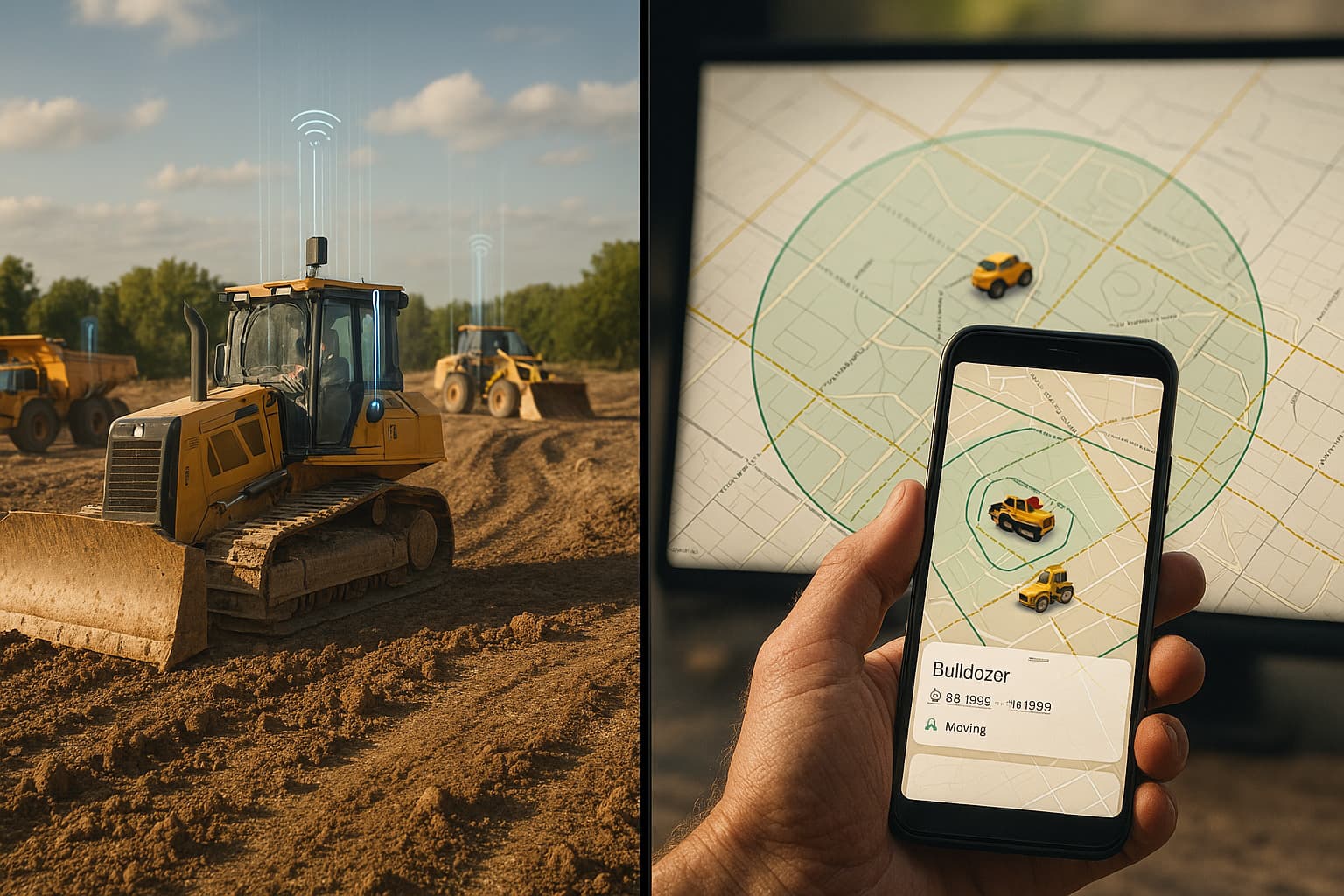
- Use Cases: Vehicles and powered equipment needing continuous, real-time location
GPS is the right tag when you need second-by-second position anywhere with cell coverage, such as active dispatch, ELD compliance, or route history. One thing the spec sheets rarely say plainly: every GPS update requires a satellite fix (up to 30 seconds of continuous radio draw) plus a cellular transmit burst. That is why battery-powered GPS tags advertise multi-year battery life only at roughly one update per day. At that rate, a "3-year battery" holds about 1,100 total updates. An AirTag delivers that many updates in under three days and keeps going for 12+ months. The recurring SIM fee and recharge schedule are why putting GPS tags on every toolbox and trailer gets expensive fast.
Asset Tracking Labels vs Tags
Asset tracking labels — printed barcode or QR stickers, usually $0.05-$0.50 each — are often confused with tags, but they do a different job:
- Labels identify. Scan the barcode and your software knows which asset it is. Perfect for audits, check-in/check-out, and maintenance records. But a label only updates when a human scans it, and a label on a stolen asset tells you nothing.
- Tags locate. A radio tag reports position without anyone touching the asset.
The practical setup for most businesses: durable polyester or anodized-aluminum labels on everything for identification and audits, plus tracking tags on the subset of assets valuable or mobile enough to walk away — typically anything over a few hundred dollars that leaves the building.
Matching the Tag to the Asset
- Tools and cases: Find My tags. They travel between sites, and per-asset cost matters at quantity. (See small tool tracking.)
- Laptops and IT gear: Labels for inventory + software-based tracking; add a Find My tag inside high-value mobile kits.
- Hospital and clinic equipment: BLE or RFID where room-level precision justifies infrastructure; Find My tags for building-level visibility without the install.
- Trailers and equipment: Find My tags. Battery-powered GPS trackers either need recharging every 1-5 weeks (real-time mode) or they update once a day. Neither is useful for a trailer parked in a yard. (See trailer GPS tracking.)
- Active fleet vehicles: GPS, if you dispatch in real time. Otherwise a Find My tag covers "where is it parked."
The cheapest reliable answer for most mixed asset bases is a $29 Find My tag on anything that moves and a label on everything else. Airpinpoint turns those tags into a fleet-wide map with geofences, alerts, and history at $11.99/device/month, with no readers, gateways, or contracts.
 Our Solution