Returnable Asset Management
Returnable transport items (RTIs), including pallets, containers, totes, and racks, represent billions of dollars in assets that constantly move through supply chains. Returnable asset management ensures these assets come back instead of disappearing.
The Hidden Cost of Returnable Assets
Most companies drastically underestimate RTI losses:
| Asset Type | Average Cost | Typical Loss Rate | Annual Loss (1,000 units) |
|---|---|---|---|
| Wood pallets | $15-25 | 15-25% | $2,250-6,250 |
| Plastic pallets | $40-80 | 10-15% | $4,000-12,000 |
| Plastic totes | $20-50 | 12-20% | $2,400-10,000 |
| Metal containers | $200-500 | 8-15% | $16,000-75,000 |
| Specialty racks | $500-2,000 | 5-10% | $25,000-200,000 |
For a manufacturer with 10,000 RTIs in circulation, losses easily reach $100,000+ annually.
Why RTIs Disappear
1. Customer Retention
Customers use your containers for their own purposes: storage, organization, other shipments. Without tracking, there's no accountability.
2. Damage and Disposal
Damaged RTIs get thrown away instead of returned for repair or proper disposal.
3. Carrier Loss
Shipping carriers misplace, damage, or co-mingle your RTIs with others.
4. Poor Tracking
Without visibility, nobody knows who has what. Assets sit forgotten in warehouse corners.
5. No Consequences
When there's no deposit, charge, or tracking, there's no incentive to return.
Returnable Asset Management Technologies
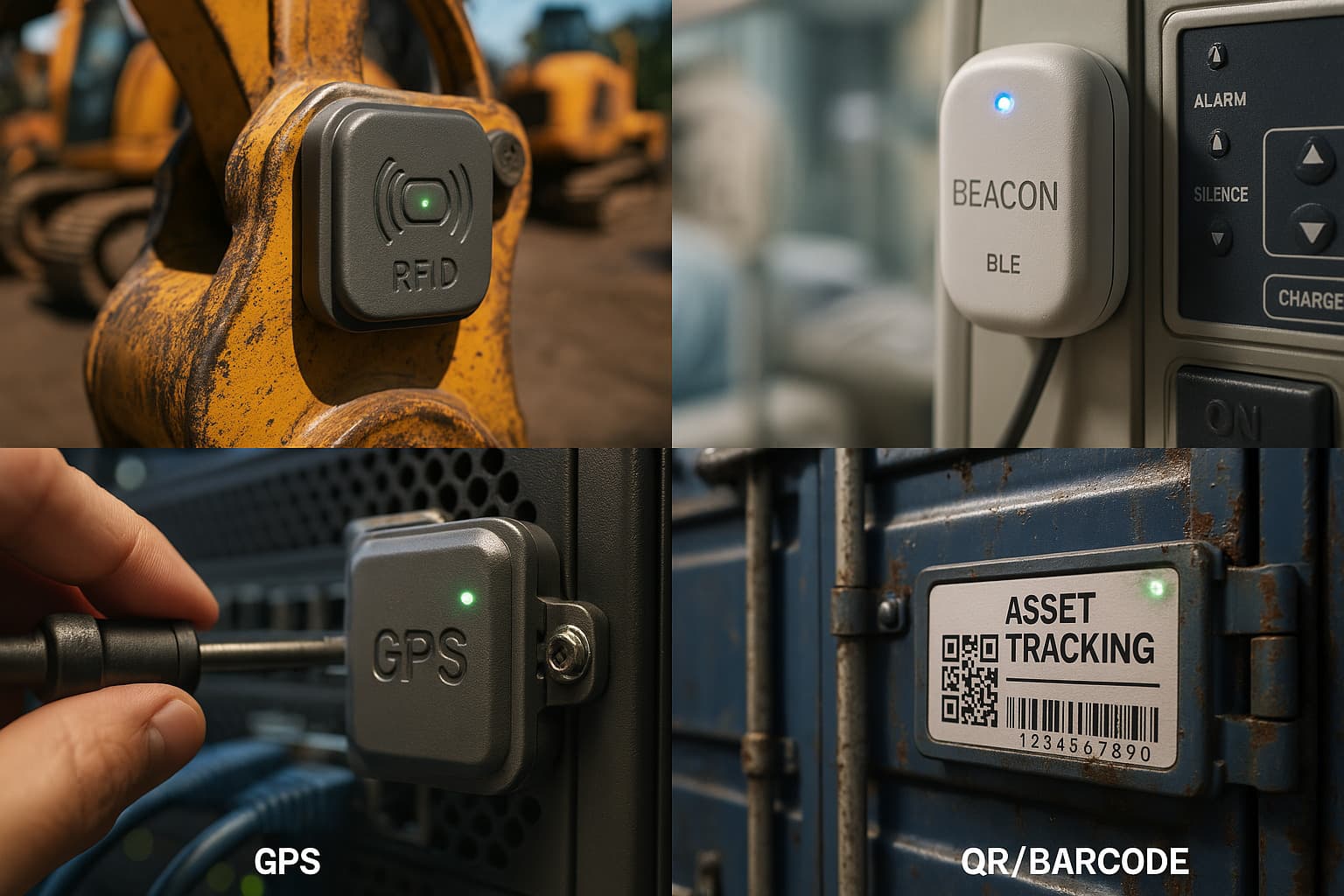
RFID Tracking
Best for: High-volume, checkpoint-based tracking
| Pros | Cons |
|---|---|
| Bulk scanning (100s at once) | Checkpoint-only visibility |
| Low per-tag cost ($0.10-2) | Limited range |
| Durable tags available | Infrastructure required |
| Fast data capture | No real-time location |
How it works: RFID readers at dock doors automatically scan all tagged RTIs passing through, updating inventory in real-time.
GPS Tracking
Best for: High-value assets, long-distance movement
| Pros | Cons |
|---|---|
| Real-time location anywhere | Higher per-unit cost |
| Geofence alerts | Battery management |
| Route visibility | Overkill for low-value items |
| Theft recovery |
How it works: GPS devices on containers report location continuously, enabling real-time tracking across entire supply chains.
Barcode/QR Scanning
Best for: Budget-constrained operations
| Pros | Cons |
|---|---|
| Lowest cost | Manual scanning required |
| Simple implementation | Human error prone |
| Universal compatibility | Slower data capture |
| No special readers | No automatic tracking |
Hybrid Approaches
Many operations combine technologies:
- RFID for pallets and totes (volume)
- GPS for specialty racks and high-value containers
- Barcode as backup and for non-critical items
Key Features of RAM Software
1. Asset Registration
- Unique identifiers for each RTI
- Asset type and specifications
- Purchase date and cost
- Expected lifespan
2. Movement Tracking
- Outbound shipments by customer
- Return receipts
- Transfer between locations
- Time at each location
3. Customer Accountability
- Assets assigned to customers
- Aging reports (days out)
- Return rate by customer
- Deposit/charge management
4. Inventory Visibility
- Current location of all assets
- Assets in transit
- Assets at customer sites
- Available for shipment
5. Analytics & Reporting
- Loss rates by customer/route
- Circulation velocity
- Utilization metrics
- Cost analysis
Implementation Approaches
Basic: Deposit System
Charge customers for RTIs, refund on return.
| Aspect | Details |
|---|---|
| Investment | Low (software only) |
| Tracking | Manual or barcode |
| Effectiveness | Moderate |
| Best for | B2B with regular customers |
Intermediate: RFID Infrastructure
Install readers at key checkpoints.
| Aspect | Details |
|---|---|
| Investment | $10,000-50,000+ |
| Tracking | Automatic at checkpoints |
| Effectiveness | High |
| Best for | High-volume operations |
Advanced: Full IoT Tracking
GPS/cellular tracking on assets.
| Aspect | Details |
|---|---|
| Investment | $50-200 per asset |
| Tracking | Real-time, anywhere |
| Effectiveness | Highest |
| Best for | High-value, long-distance |
Best Practices
1. Know Your Baseline
Before improving, measure current state:
- How many RTIs do you own?
- Where are they right now?
- What's your actual loss rate?
- Which customers are worst?
2. Start with High-Value
Track expensive assets first:
- Specialty containers
- Custom racks
- Heavy-duty items
- Long-lifespan assets
ROI is clearest here.
3. Create Accountability
Assign responsibility:
- Track by customer
- Report aging regularly
- Charge for overdue/lost
- Share data with customers
4. Standardize Processes
Consistent handling:
- Check-out procedures
- Return inspection
- Repair workflow
- Disposal criteria
5. Integrate Systems
Connect RAM to:
- ERP/WMS
- Customer systems
- Carrier tracking
- Financial systems
Keg Tracking for Breweries
Keg tracking is returnable asset management applied to beer kegs: recording which keg went to which bar, restaurant or distributor, and when it came back. Most breweries start with barcode or QR labels scanned at fill and return, add RFID when scanning by hand gets slow, and put Bluetooth or GPS trackers on a sample of kegs to find where missing ones end up.
| Keg tracking method | What it tells you | Hardware per keg | Reader or network | Best fit |
|---|---|---|---|---|
| Barcode or QR label | Last scan (filled, shipped, returned) | Printed label | Phone or handheld scanner | Small breweries starting a keg log |
| RFID tag | Last scan, read in bulk at a dock door | RFID tag | Fixed or handheld RFID reader | High-volume breweries with a busy dock |
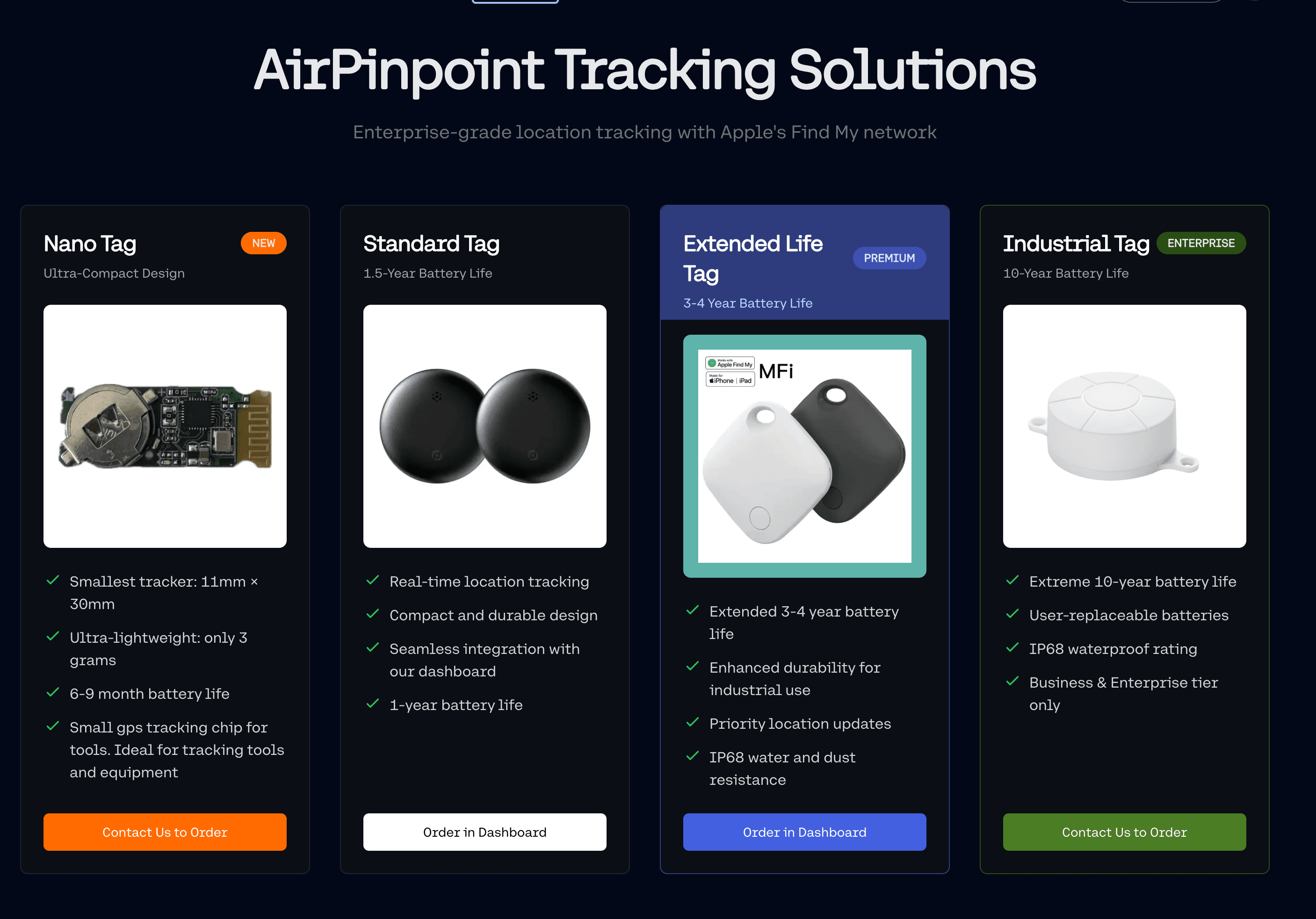
| Bluetooth tag on Apple Find My | Location when an iPhone passes nearby | AirTag or Find My tag | Apple's Find My network | Finding kegs held at bars or lost in transit |
| Cellular GPS tracker | Location from anywhere with cell signal | GPS unit with SIM and plan | Mobile network | High-value or export kegs |
A keg tracking system only works if every keg has a unique ID tied to a customer at each handoff. Scanning tells you who had the keg last. A location tracker tells you where it is now, which is what you need when an account stops returning empties. With Airpinpoint, a Find My tag in each keg shows on one map with a geofence around the brewery, so you see which kegs have been out longest and where they are.
GPS Tracking for High-Value RTIs
For containers worth $200+, GPS tracking makes financial sense:
When GPS Beats RFID
| Scenario | RFID | GPS |
|---|---|---|
| Within your facilities | ✓ | |
| At known customer sites | ✓ | |
| In transit (carrier) | ✓ | |
| Customer's customer | ✓ | |
| Lost/stolen | ✓ | |
| Real-time alerts | ✓ |
Airpinpoint for Returnable Assets
Track containers anywhere using Apple's Find My network:
- No cellular plans required
- Multi-year battery life
- Works anywhere iPhones are
- Geofence alerts for unauthorized movement
ROI Calculation
For 5,000 returnable containers ($100 average value):
Current State:
- 15% annual loss rate: 750 containers
- Replacement cost: $75,000/year
- Admin time tracking manually: $10,000/year
- Customer disputes: $5,000/year
With Returnable Asset Management:
- 3% loss rate: 150 containers
- Replacement cost: $15,000/year
- Admin time: $3,000/year
- Customer disputes: $500/year
Annual Savings: $71,500 Implementation Cost: $20,000-40,000 Payback: 4-7 months
Getting Started
- Inventory audit: Count and document all RTIs
- Loss analysis: Calculate current loss rate and cost
- Technology selection: Match to asset value and volume
- Pilot program: Start with one asset type or route
- Scale deployment: Expand based on pilot results
- Continuous improvement: Optimize based on data
Returnable asset management isn't sexy, but it's high-ROI. Every container that comes back is money saved, and one less asset to buy.
 Our Solution