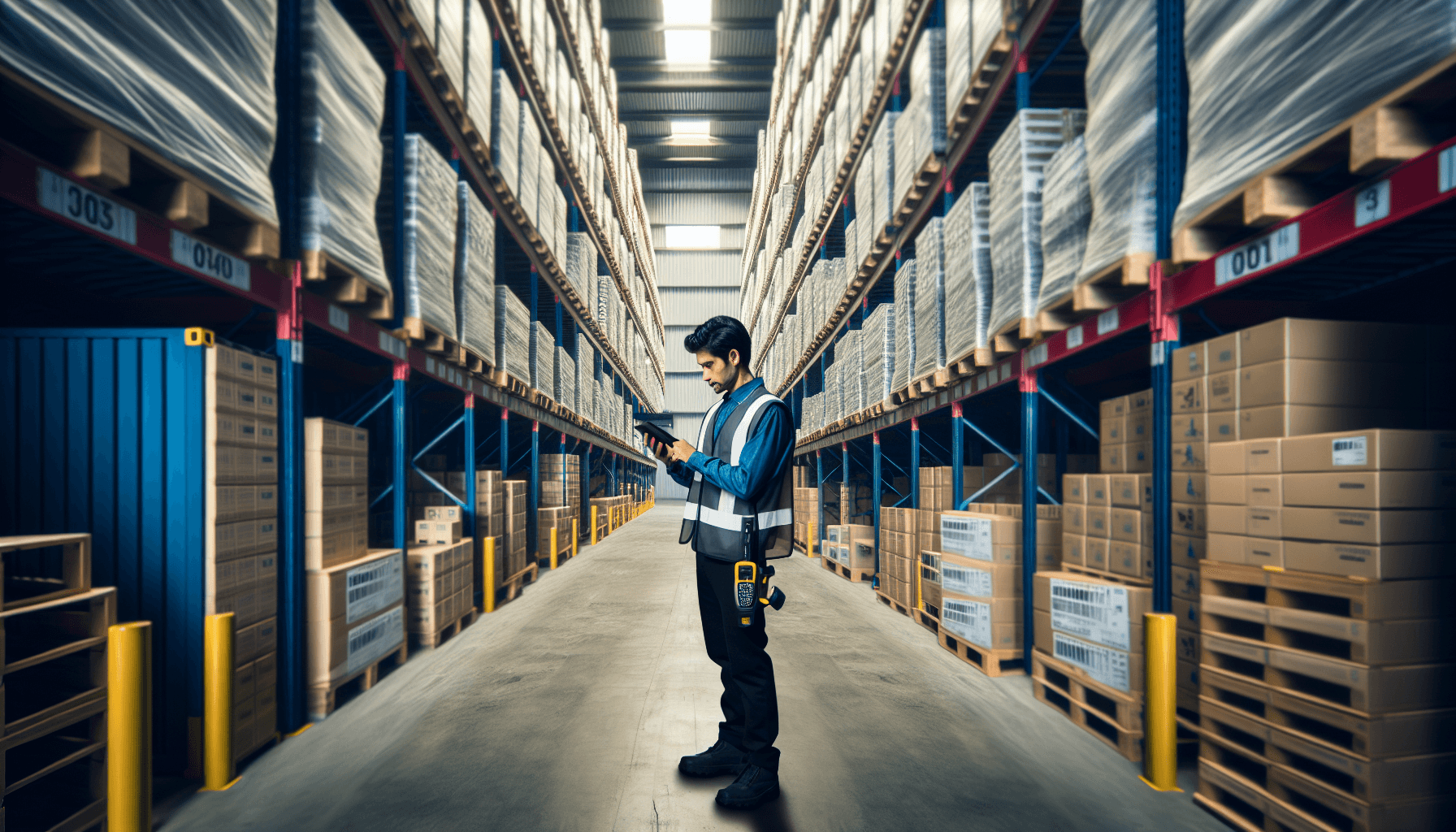
Pallet Tracking System: GPS & RFID Solutions for Supply Chain Visibility
Pallets are the backbone of global logistics, and one of the most commonly lost assets in supply chains. Whether you're managing a pool of returnable pallets, tracking high-value shipments, or trying to reduce shrinkage, pallet tracking technology has matured to offer solutions at every price point.
The Pallet Loss Problem
The Scale of the Problem
The published figures are worth quoting precisely, because they are narrower than the round numbers that get repeated:
| Figure | Scope | Source |
|---|---|---|
| $800 million to $1.5 billion a year | Plastic pallet and container loss, United States | Industry estimate compiled by Packaging Revolution |
| $750 million a year | Lost reusable packaging and pallets, North American auto industry only | Auto Industry Action Group survey, 2010, presented at the 2015 Reusable Packaging Forum |
| 15% to 20% of pallets and lids a year | Automotive sector loss rate | Deloitte, cited in the same compilation |
| About 20% of pallets a year | United States Postal Service | Same compilation |
| About 30% of plastic containers a year | Commercial bakeries | Rehrig Pacific white paper |
| $80 million to $100 million a year | Milk crate losses, United States | Rehrig Pacific white paper |
Two things follow. First, loss rates in the high teens and above are documented in real sectors, so if your own number looks like 3% you are probably not counting properly. Second, these are sector-specific figures and not a benchmark for your operation. The only number that should drive your budget is the one you measure.
For individual companies the pain shows up as:
- Premium plastic pallets ($50-150 each) disappearing at rates nobody has budgeted for
- Pooled pallet fees accumulating when pallets aren't returned
- Customer disputes over pallet counts, which cost administrative time on both sides
Why Pallets Go Missing
We have not found a credible published breakdown of loss by cause, and the tidy percentage splits that circulate in vendor material trace back to nothing. What is well established is the list of causes and which intervention addresses each. Audit your own last hundred missing pallets against this and the weighting will be obvious.
| Cause | How to recognise it in your data | What actually helps |
|---|---|---|
| Not returned from customers | Pallets last confirmed on delivery, at a handful of repeat consignees | Deposits, return SLAs, automated notifications, checkpoint or GPS tracking |
| Damage and disposal | Losses cluster at sites with rough handling or no return lane | Lifecycle tracking, damage reports, better pallet spec |
| Theft | Losses cluster off-route, or overnight, or at unsecured yards | GPS alerts, geofencing |
| Misrouted to wrong facilities | Pallets turn up weeks later at a sister site | Checkpoint tracking, routing verification |
| Administrative errors | Physical count and system count disagree with no movement to explain it | Automated counting, system integration |
The Hidden Costs
Beyond replacement costs, lost pallets create:
- Production delays waiting for packaging
- Customer friction over deposit disputes
- Environmental impact from unnecessary manufacturing
- Working capital tied up in pallet inventory buffers
Technology Options for Pallet Tracking
RFID: High-Volume Checkpoint Tracking
Best for: Large pallet pools, warehouse operations, supply chain visibility at known checkpoints.
How it works: RFID tags embedded in pallets transmit unique IDs when passing reader portals at dock doors, warehouse entrances, and production lines.
| RFID Type | Cost/Tag | Read Range | Best Use |
|---|---|---|---|
| Passive UHF | $0.50-$2 | 10-30 feet | Standard pallet tracking |
| Passive HF | $1-$5 | 1-3 feet | Precise checkpoint tracking |
| Active RFID | $15-$50 | 100+ feet | Long-range, real-time |
Infrastructure requirements:
- Portal readers at dock doors ($3,000-$10,000 each)
- Handheld readers for spot checks ($1,000-$3,000 each)
- Middleware and software platform ($20,000-$100,000)
- Network integration
RFID benefits:
- Automated counting: No manual scans needed
- Speed: Read a whole pallet load in one pass, no line of sight required
- Accuracy: Vendors quote read rates in the high nineties, and those numbers come from tuned installations. Your rate depends on tag placement, antenna geometry, and how much metal and liquid sits between the tag and the reader. Insist on a read-rate test with your own product, on your own dock, before you sign
- Integration: Connects to WMS, ERP systems
GPS: Real-Time Global Tracking
Best for: High-value shipments, long-haul logistics, theft prevention, end-to-end visibility.
How it works: Battery-powered GPS trackers attached to pallets report location via cellular networks at configurable intervals.
| GPS Option | Hardware Cost | Monthly Cost | Battery Life |
|---|---|---|---|
| Economy trackers | $50-$80 | $5-$10 | 1-2 years |
| Standard trackers | $80-$150 | $10-$15 | 2-5 years |
| Premium (satellite) | $200-$400 | $20-$50 | 1-3 years |
GPS benefits:
- Real-time location: Know exactly where pallets are
- Geofencing: Alerts when pallets leave designated areas
- Route verification: Confirm pallets follow expected paths
- Theft recovery: Locate stolen shipments
- Dwell time tracking: Identify delays at customer sites
GPS limitations:
- Higher per-unit cost than RFID
- Requires cellular coverage (or satellite option)
- Battery replacement logistics
- Not practical for all pallets at scale
Hybrid Approach: RFID + GPS
Most sophisticated operations combine both technologies:
| Layer | Technology | Coverage | Purpose |
|---|---|---|---|
| All pallets | Passive RFID | Checkpoints | Inventory accuracy, flow tracking |
| High-value loads | GPS | Real-time | Visibility, theft prevention |
| Premium pallets | GPS | Real-time | Asset recovery, customer accountability |
BLE/AirTag: Budget-Friendly Tracking
Best for: Supplemental tracking, urban logistics, cost-sensitive operations.
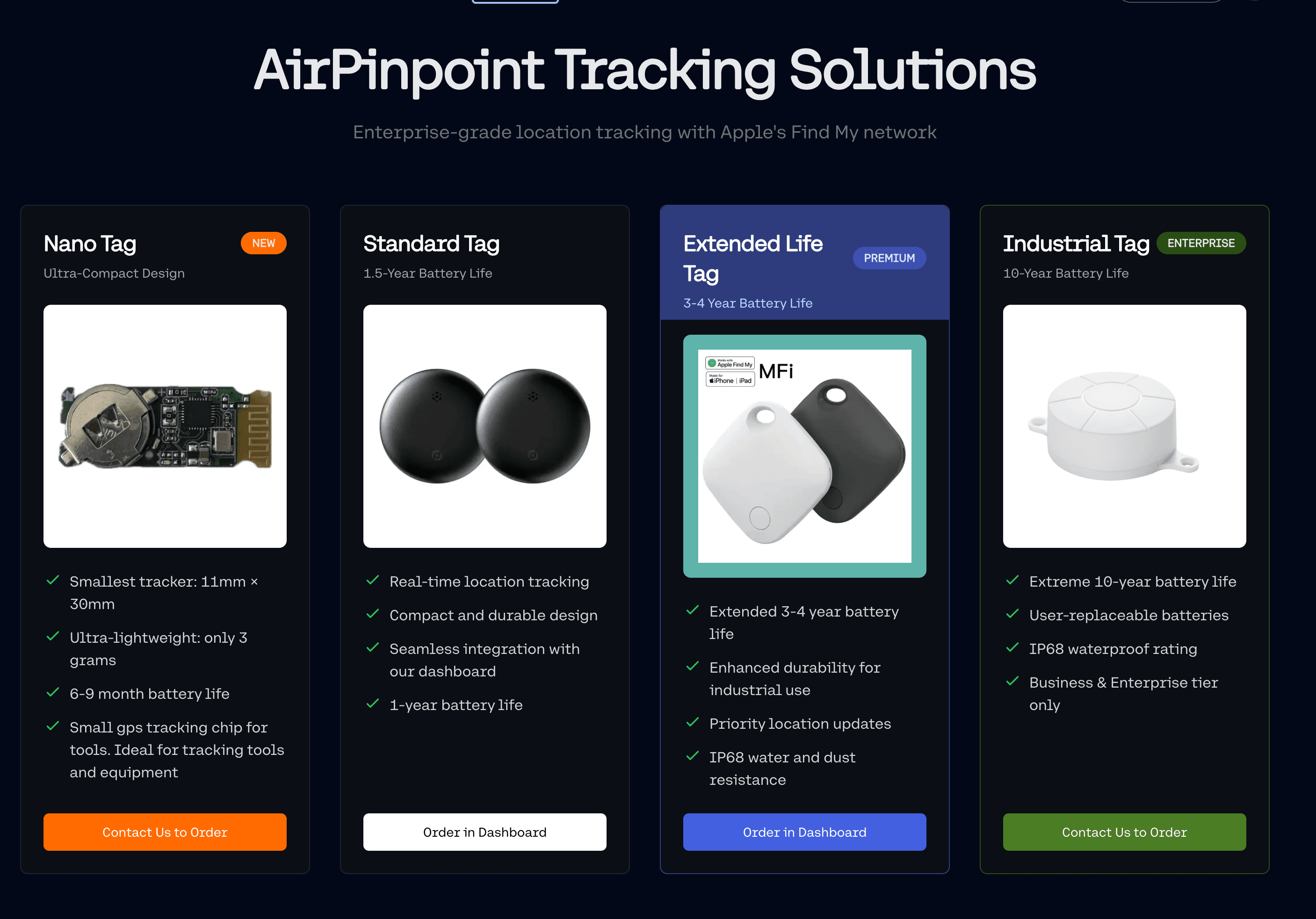
Apple AirTags and similar BLE trackers offer compelling economics:
- $29 per tag one time, with no Apple subscription. Airpinpoint's Business plan is $11.99 per tag per month for the dashboard, geofence alerts, location history, exports and API, with volume discounts on larger deployments.
- 1+ year battery life
- Crowd-sourced location via Find My network (1B+ devices)
- No infrastructure required
Limitations:
- Not real-time (updates when passing Apple devices)
- Alert sounds after 3 days away from owner
- No enterprise management tools
- Dependent on Apple device density
Best use cases:
- Tracking pallets in urban delivery routes
- Backup layer on high-value shipments
- Customer-site dwell monitoring
- Theft recovery
Industry Solutions
CHEP (Blue Pallets)
CHEP operates the world's largest pallet pooling network. Its parent company Brambles reported a pool of roughly 352 million pallets, crates and containers as at 30 June 2026, moving through more than 750 service centres in about 60 countries (Brambles FY26 Annual Report). That scale is the reason pooling works: the recovery network is somebody else's fixed cost.
How it works:
- Rent CHEP pallets instead of buying
- CHEP tracks pallets through their network
- Pay per "issue" (pallet sent out) plus potential loss fees
- CHEP handles recovery and repair
RFID implementation:
- Single RFID tag per pallet
- GRAI (Global Returnable Asset Identifier) standard
- Reader network at participating facilities
- Integration with CHEP's management platform
Pros: No capital investment in pallets, professional tracking, sustainability Cons: Ongoing rental fees, less control, works best in CHEP's network
iGPS (Plastic Pallets)
iGPS offers plastic pallets with integrated RFID for enhanced tracking.
Features:
- Embedded RFID with unique serial numbers
- Cloud-based track-and-trace platform
- Lighter weight than wood (saves shipping costs)
- Consistent dimensions (fewer jams)
Best for: Food and beverage, pharmaceuticals, automation-heavy facilities
Custom Solutions
Building your own pallet tracking system makes sense when:
- You own pallets (vs. pooling)
- You need visibility your partners don't provide
- Your routes and customers are consistent
- Volume justifies infrastructure investment
Components needed:
- RFID tags (embedded or attached)
- Reader infrastructure at key points
- Software platform (build or buy)
- Integration with existing systems
Implementation Guide
Phase 1: Assessment
Understand your pallet flow:
- How many pallets do you own/manage?
- Where do they go? (customers, warehouses, partners)
- What's your current shrinkage rate?
- Which pallets are highest value?
Map your network:
- Identify key checkpoints for RFID
- Determine GPS tracking needs (which routes, which loads)
- Assess partner readiness for RFID reading
Phase 2: Technology Selection
For RFID:
- Choose tag type (UHF passive for most cases)
- Select reader hardware (portal vs. handheld)
- Evaluate software platforms
- Plan network integration
For GPS:
- Determine which pallets get trackers
- Select device (battery life, form factor, cellular vs. satellite)
- Choose tracking platform
- Configure alerts and geofences
Phase 3: Pilot
Start small:
- 500-1,000 pallets with RFID
- 50-100 GPS trackers on high-value loads
- One origin-to-destination route
- 60-90 day evaluation period
Measure:
- Shrinkage rate change
- Time savings on inventory counts
- Recovery rate for lost pallets
- Customer dispute resolution
Phase 4: Scale
Expand based on pilot results:
- Roll out RFID to full pallet pool
- Add GPS to proven high-value routes
- Integrate with WMS/ERP
- Establish customer tracking expectations
Cost-Benefit Analysis
We have no customer results to publish here, so what follows is the cost side, which is knowable from vendor quotes, and a method for the benefit side, which is only knowable from your own data. Anyone who hands you both halves filled in has invented one of them.
RFID Implementation Example
The cost side is a quote, not an estimate. For a 10,000 pallet pool, the line items look like this, and the per-unit ranges come from the technology tables above:
| Investment | How it is sized |
|---|---|
| RFID tags | Pool size x tag cost. Passive UHF runs $0.50 to $2, so 10,000 tags is $5,000 to $20,000 |
| Portal readers | Number of dock doors you actually need covered x $3,000 to $10,000 each. Resist covering all of them on day one |
| Handheld readers | One per person doing spot checks x $1,000 to $3,000 |
| Software platform | $20,000 to $100,000 depending on whether you are buying middleware or a managed platform |
| Integration and training | The line vendors underquote. Ask for it fixed-price, or expect it to run |
The benefit side is arithmetic on numbers you have to go and get:
-
Establish real shrinkage first. Count the pool. Not the number in the system, the physical count. The gap between those two is the first thing tracking would have told you, and you can have it today for free. Annual shrinkage = pallets bought to replace losses, divided by pool size.
-
Price it. Shrinkage rate x pool size x replacement cost per pallet. A $30 wood pallet and a $120 plastic one produce very different business cases from the same percentage.
-
Decide what recovery rate you believe. This is the honest crux. RFID at your own docks tells you a pallet left and never came back. It does not retrieve it from a customer's yard. The recoverable portion of your loss is the portion where knowing sooner changes the outcome: the misrouted pallets, the ones a repeat consignee will return if invoiced, the disputes you can now win. Estimate that share before you model savings, and estimate it low.
-
Add the labor line, which is the most reliable one. Time your current physical count. Multiply by loaded rate and count frequency. Automated reads genuinely remove most of that, because the mechanism is direct: nobody walks the yard with a clipboard.
-
Compute payback honestly. Payback in months = total investment / ((recoverable loss + labor saving) / 12). If that number is above 24 months, pilot rather than roll out.
GPS Supplemental Tracking
Adding GPS to high-value shipments:
| Investment | How it is sized |
|---|---|
| GPS trackers | Units x $50 to $150 hardware, from the GPS table above |
| Annual service | Units x $5 to $50 per month x 12 |
| Year 1 Total | Hardware plus twelve months of service |
The benefit case for GPS is different in kind from RFID, and it does not average well. RFID pays back through thousands of small events: reads that replace counts. GPS pays back through a handful of large ones: a stolen load you locate, a consignee who cannot claim the pallets never arrived, a dwell time you can prove.
That makes it a question about tails, not averages. Ask: how many loads did you lose or dispute in the last three years, and what did each one cost you all-in including the customer relationship? If the answer is none, GPS on pallets is insurance you may not need. If the answer is one big one, the arithmetic is probably already obvious to you, and the real question is which loads get trackers rather than whether to buy any.
The mechanism, stated plainly: a stolen load with a location trail is a police report with an address in it. That is a different conversation from a report saying the trailer was full Friday and empty Monday. Recovery still runs through law enforcement on their timeline, and we have no law enforcement partnerships.
Best Practices
Tag Placement and Durability
- Embed tags in pallet blocks when possible
- Protect tags from forklift damage
- Test read rates in actual operating conditions
- Plan for tag replacement (3-5 year lifecycle)
Data Management
- Clean data feeds into existing systems
- Establish ownership of pallet data
- Share visibility with partners appropriately
- Archive history for dispute resolution
Partner Collaboration
- Align on standards (GRAI, SSCC)
- Share reader infrastructure when beneficial
- Establish SLAs for pallet returns
- Automate notifications for delayed returns
The Bottom Line
Each technology does one thing well, and the mistake is expecting it to do the others:
- RFID replaces the manual count. Instead of a person walking the yard with a clipboard, a reader logs every pallet that passes a door. That is a labor substitution with a direct mechanism, and it is the most defensible line in any RFID business case
- GPS answers where a pallet is right now, anywhere there is cell coverage. It is priced for the loads where that answer is worth $10 to $50 a month, not for the whole pool
- Hybrid approaches exist because those two jobs are genuinely different, not because vendors want to sell you both
- AirTags give you a location layer with no infrastructure at all, and a real limit to match: a tag reports when an Apple device passes near it, so an urban delivery route reports well and a rural distribution yard may go quiet for stretches
Start with:
- Physically count your pool and compare it to the system. That gap is free information you can have this week, and most operations find it larger than they expected
- Work out what a lost pallet actually costs you: replacement, pooling fees, the dispute, the buffer inventory you hold because of it
- Identify which portion of that loss knowing sooner would actually change. That share, not your total loss, is what tracking can address
- Pilot on a single route or customer, with a measured baseline recorded before the first tag goes on
Published loss figures run from $750 million a year for the North American auto industry alone to $800 million to $1.5 billion for plastic pallets and containers across the United States. Those are sector numbers, useful for knowing the problem is real and useless for sizing your own case. Measure yours.
 Our Solution