
Electrical Contractor Asset Tracking: Complete Guide for Electricians 2025
The Electrical Contractor Security Challenge
Electricians face a perfect storm of theft risk: valuable testing equipment, expensive copper wire, and vans packed with power tools. The numbers paint a concerning picture.
What the best-sourced survey found. Volkswagen Commercial Vehicles surveyed 1,000 van drivers and reported:
- 28% had tools stolen in 2024, up from 19% the year before
- Average value stolen rose over 40% to £2,433, with 27% of incidents above £3,500 compared to 10% the previous year
- 86% of victims lost working days, averaging 3.97 days off, up from 1.90 days
- Builders, electricians and plumbers reported the highest rates
Two caveats you should apply before using these numbers. It is a UK survey, so the currency is pounds and the vehicle crime environment is not identical to the US. And it is self-reported by drivers rather than drawn from police records, which tends to capture incidents that never became a claim. That cuts both ways: it is closer to your real exposure than claims data, and it is softer evidence than a crime statistic.
The downtime line is the one most contractors underrate. Nearly four days off work at your day rate is usually larger than the £2,433 of tools, and no insurance policy reimburses it.
Protecting your tools isn't just about money. A stolen van loadout means days you cannot work, and in a trade where the backlog is already long, those are days a customer waits and a schedule slips.
What's at Stake: Electrical Equipment Value
Initial Investment
Electrical contractors carry significant equipment investments:
| Equipment Category | Value Range | Notes |
|---|---|---|
| Basic hand tools | $181-385 | Wire strippers, screwdrivers, pliers |
| Power tools | $500-2,000 | Drills, impacts, saws |
| Testing equipment | $200-2,000+ | Multimeters, voltage testers, circuit finders |
| Professional meters | $500-1,500+ | Fluke TRMS multimeters, clamp meters |
| Megohmmeters | $880-2,000+ | Fluke 1587 FC at $880+ |
| Conduit tools | $300-1,500 | Benders, threaders, fish tape |
| Wire inventory | $500-5,000+ | Copper at $5.96/lb record pricing |
| Complete van setup | $5,000-20,000 | Full professional loadout |
Industry benchmark: Starting an electrical contracting business typically costs $15,000-50,000, with equipment representing a major portion of that investment.
The Copper Crisis
Copper theft tracks the copper price, and 2025 put copper into record territory on the back of US import tariffs. That is the whole mechanism, and it is worth understanding rather than memorizing a statistic:
- Scrap yards buy copper by weight. A spool has no serial number, and once wire is cut off the spool it cannot be identified at all.
- Payment is often same day and the chain of custody ends there. Compared to reselling a stolen Fluke meter, which has a serial number a buyer can look up, wire is low risk for the thief.
- Rising copper prices raise the payout without raising the risk, so theft volume follows the commodity chart.
- Telecom operators and utilities have publicly reported rising copper theft against their networks, which is the same pressure showing up on infrastructure instead of job sites.
We have seen various incident counts quoted for all this and have not been able to source them to a primary report, so we are not repeating them. The price mechanism is the part that should change how you store wire.
For electrical contractors, the practical consequence is that copper on job sites and in vans is more attractive to thieves when the commodity price is high, and your storage discipline should tighten when it is.
Priority Equipment to Track
Tier 1: Critical (Always Track)
These items represent the highest value and theft risk:
Testing Equipment
- Fluke megohmmeters and insulation testers ($880+)
- Digital multimeters, especially Fluke TRMS models ($200-600)
- Oscilloscopes and power quality analyzers ($500-5,000+)
- Thermal imaging cameras ($300-2,000+)
Power Tools
- Impact drivers and hammer drills ($200-400 each)
- Rotary hammers for concrete work ($300-700)
- Band saws and reciprocating saws ($200-500)
- Cordless tool batteries ($100-200 each, highly targeted)
Specialty Equipment
- Wire pullers and cable pulling machines ($500-2,000)
- Conduit benders: hydraulic units ($500-1,500)
- Threading machines ($1,000-3,000)
- Crimping tools for large connections ($200-800)
Tier 2: Important (Track When Practical)
- Fish tape sets ($100-300)
- Voltage testers and circuit finders ($50-200)
- Hand tools in organized kits ($300-500 per kit)
- Ladders and scaffolding ($200-1,000)
Tier 3: Monitor (Inventory System)
- Individual hand tools
- Consumables and small parts
- Wire nuts, connectors, boxes
Van Security: Multi-Layer Protection
Physical Security Measures
Electricians are among the most targeted trades. Comprehensive van security requires multiple layers:
Upgraded Locks
| Lock Type | Function | Cost |
|---|---|---|
| Deadlocks | Secondary lock requiring separate key | $100-250 installed |
| Slam locks | Auto-lock when door closes | $150-300 installed |
| Hook locks | Resist forced entry | $100-200 installed |
| Armaplate | Metal plates protecting lock areas | $150-400 installed |
Secure Storage
- Van vaults: Heavy-duty lockable boxes bolted to van floor ($200-600)
- Drawer systems: Lockable organization with security cables ($500-2,000)
- Security cable locks: Attach tools to anchor points ($20-50)
Electronic Security
- Engine immobilizer: Prevents hot-wiring ($200-500)
- ECU shields: Protect against electronic bypass ($100-300)
- GPS tracker: Real-time location monitoring ($20-40/month)
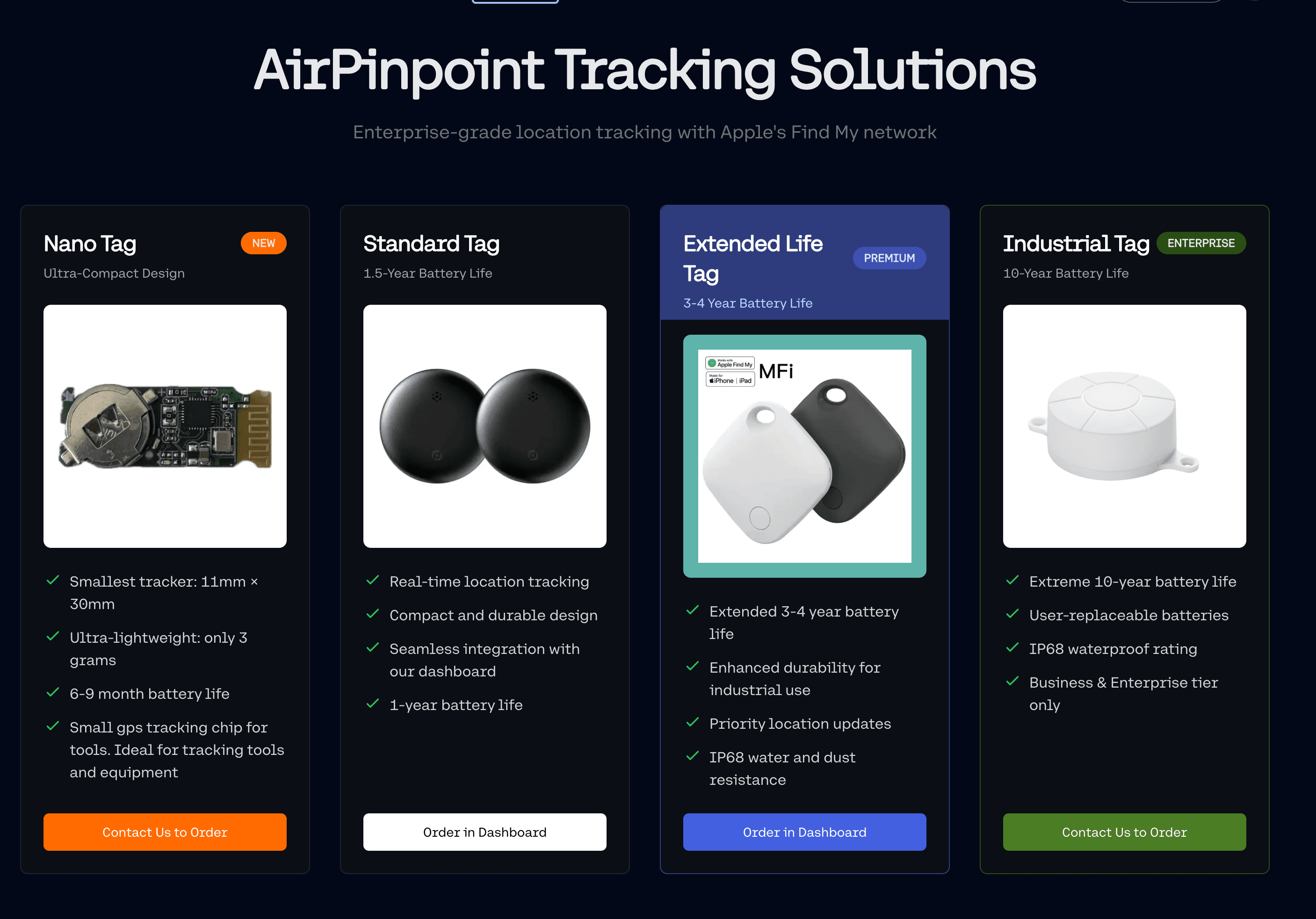
- AirTags: Hidden in equipment for recovery ($29 each)
The $5 Million Recovery Case
A Virginia carpenter's approach demonstrates the power of hidden AirTags:
After multiple van break-ins, he planted AirTags in larger tools. When thieves returned and stole 50 tools across three incidents, he followed the AirTag signals across the DC metro area to a storage facility.
The investigation led to 12 search warrants and recovery of 15,000 stolen construction tools worth $3-5 million. Police believe the tools were stolen from across Maryland, Virginia, and Pennsylvania.
Key lessons:
- Hide AirTags where thieves won't find them
- Use multiple AirTags in different locations
- Act quickly: track within hours, not days
- Provide location data to police, don't confront thieves
GPS Fleet Tracking for Electrical Contractors
Why Fleet GPS Makes Sense
Service vehicle tracking delivers measurable ROI for electrical contractors:
What fleet GPS actually gives you
- Timestamped arrival and departure at each customer site, which settles billing disputes with a record instead of an argument
- Geofencing alerts for site arrivals and departures
- Accurate ETAs for customer communication
- Route and idle data you can compare against dispatch assumptions
- Maintenance scheduling driven by odometer or engine data, on systems wired into the vehicle
Percentage savings for fleet tracking get quoted constantly and almost never with a source. The honest version: the savings come from billing accuracy and fewer second trips, both of which you can measure directly. Count your disputed invoices and your return visits for the last quarter, then count them again a quarter after deploying. That comparison is worth more than any published figure.
Pricing Overview
Fleet GPS pricing varies by features and provider:
| Tier | Monthly Cost | Features |
|---|---|---|
| Basic | $14-25/vehicle | Real-time tracking, basic reporting |
| Standard | $25-50/vehicle | Geofencing, driver behavior, maintenance alerts |
| Premium | $50-100+/vehicle | Integration with job management, cameras, ELD |
Cloud platform pricing: $20-50/month for standard features, $50-100+ for advanced analytics and integrations.
Integration with Electrical Software
Many GPS platforms integrate with electrical contractor software:
- ServiceTitan Fleet Pro: Combines fleet tracking with CRM, scheduling, and dispatch
- GPS Trackit: Fleet management with maintenance tracking
- Force Fleet Tracking: Real-time tracking with driver accountability
- Verizon Connect: Enterprise-grade with comprehensive analytics
AirTag Deployment for Electricians
Best Use Cases
AirTags are particularly effective for electrical contractors because:
- High iPhone density in service areas (urban/suburban)
- Discreet placement in testing equipment and tool bags
- Lower cost than GPS ($29 hardware + affordable monthly subscription vs $25-45/month GPS trackers)
- Easy deployment across large tool inventories
- Proven track record in theft recovery cases
What to Tag
| Equipment | AirTag Value | Placement Notes |
|---|---|---|
| Fluke meters | Critical | Inside case padding or battery compartment area |
| Tool bags/totes | High | Hidden pocket or sewn into lining |
| Power tool cases | High | Under foam inserts |
| Cordless tool kits | High | In charger base or case cavity |
| Oscilloscopes | Critical | Inside case, away from obvious spots |
| Wire spool containers | High | Center of spool or container bottom |
| Conduit benders | Medium | Tube cavity or handle |
Enclosure Options for Rugged Environments
Standard AirTag accessories won't survive electrical work environments. Industrial options include:
Elevation Lab TagVault Universal
- IP69 waterproof rating
- Mount via screw, rivet, zip-tie, or adhesive
- All-black matte finish (inconspicuous)
- Best for: Outdoor equipment, trailers, harsh conditions
Urban Armor Gear Essential Armor
- 2-piece locking design (tool required to open)
- Water and dust resistant
- Best for: Testing equipment requiring tamper resistance
CASEBUDi Hard Case
- Multiple mounting options
- Compatible with tool tag locations on major brands
- Best for: Power tools, versatile applications
Job Site Copper Security
The Scale of the Problem
Copper theft on job sites is driven by the commodity price and by how anonymous scrap copper is:
- Construction sites are primary targets because perimeters are open and wiring is exposed before drywall goes up
- A single incident can run to tens of thousands in stolen materials, and unlike a stolen tool there is nothing to identify afterwards
- US tariffs on copper imports in mid-2025 pushed domestic prices up, and scrap value tracks the commodity
- Loose wire is untrackable. A tag in a spool center travels with the spool. Wire already cut and pulled is gone the moment it leaves the site
We have seen percentage estimates quoted for how much new-construction wiring is lost to theft. None that we checked traced back to a primary source, so we are not passing one along. Count your own shortfalls on the last three jobs instead, which is why the daily usage log below matters.
Protection Strategies
Physical Security
- Secure perimeter fencing with locked gates
- Motion-activated lighting on material storage
- Cameras covering copper storage areas
- Lockable storage containers for wire spools
Tracking Solutions
- AirTags hidden in wire spool centers
- GPS trackers on trailers carrying bulk materials
- Daily inventory logging of wire usage
- Geofencing alerts for after-hours material movement
Material Alternatives
- Copper-clad aluminum for some applications (reduced theft appeal)
- Just-in-time delivery to minimize on-site inventory
- Secure storage off-site when possible
Insurance Protection
Inland Marine Coverage
Standard property insurance typically doesn't cover mobile equipment. Inland marine insurance is essential for electricians:
What It Covers
- Tools in transit between job sites
- Equipment stolen from van or job site
- Damage from accidents while transporting
- Rented or leased equipment
- Equipment breakdown (with endorsement)
What It Doesn't Cover
- Normal wear and tear
- Damage from poor maintenance
- Employee theft (usually)
Cost Analysis
| Coverage Level | Annual Cost | Notes |
|---|---|---|
| $5,000 tools | $175-550 | Typical $500 deductible |
| $10,000 tools | $300-700 | May require tool inventory |
| $25,000+ tools | $500-1,500 | Detailed equipment schedule |
Get your own quote before budgeting. Premiums for tools and equipment coverage vary by state, claims history, coverage limit, and whether your tools are scheduled individually. Any single "industry average" you see quoted for this is an average across all of that, which makes it close to meaningless for your renewal.
How to check it pencils: multiply your annual premium by five and compare it to the replacement cost of what is in your van right now. In the Volkswagen survey the average theft was £2,433 in tools plus nearly four working days lost, so for most one-van operators a single incident clears several years of premium. Run it on your own loadout rather than on that average.
Reducing Premiums
Insurance companies sometimes reward security measures, and sometimes do not. Ask your broker these four questions directly rather than assuming:
- Do you discount for a hardwired GPS tracker on the vehicle, and by how much?
- Do you discount for Bluetooth or Find My tags on individual tools? Many carriers do not, because the tag does not prevent the theft.
- Do deadlocks, slam locks, or a bolted van vault change the rate or only the eligibility?
- Does a claims-free history reduce the premium, or only avoid an increase?
Get the answers in writing before you buy security hardware expecting it to pay for itself through the policy. The loss prevention case usually stands on its own. The insurance discount often does not exist.
Industry Context: Why This Matters Now
The Electrical Industry in 2025
Electrical work is a growth trade with a long backlog: data center buildout, electrification of heating and transport, and grid work are all pulling on the same pool of licensed electricians. The Bureau of Labor Statistics projects employment of electricians to grow faster than the average for all occupations over the current decade.
Various shortfall figures get quoted alongside that, usually sourced to trade association projections rather than to published data, so we leave the specific numbers out. The condition is not in dispute and you can feel it in your own schedule.
What This Means for Tool Security
A tight labor market changes the arithmetic of a break-in:
- Downtime costs more when your schedule is full. A day you cannot work is not a day you make up next week. It is a day at the back of a booked calendar
- Replacement delays for specialized testing equipment can run weeks, and a loaner is rarely the meter you know
- A crew member without tools is still on payroll, which is the cost most shops forget to count
- Rescheduled customers are the ones who call a competitor
That is the real case for tool security, and it does not need an invented percentage behind it.
Implementation Roadmap
Week 1: Assessment
- Inventory all tools and equipment with values
- Photograph and record serial numbers
- Identify highest-value/highest-risk items
- Review current van security measures
- Get inland marine insurance quotes
Week 2: Core Security
- Install deadlocks or slam locks on van
- Add armaplate to door lock areas
- Install van vault for high-value items
- Order AirTags and industrial enclosures
- Set up AirTag account (consider dedicated Apple ID)
Week 3: Tracking Deployment
- Install AirTags in Tier 1 equipment
- Document AirTag locations for battery replacement
- Test that location updates work
- Set up GPS fleet tracking on service vehicles
- Configure geofences for shop and job sites
Week 4: Procedures
- Create daily security checklist
- Document theft response protocol
- Train employees on checkout procedures
- Set up inventory tracking system
- Schedule regular security audits
Ongoing
- Weekly inventory spot-checks
- Monthly AirTag battery check (replace annually)
- Quarterly security assessment
- Annual insurance review
Measuring Success
Key Metrics
| Metric | How to measure it | Why It Matters |
|---|---|---|
| Theft incidents | Count per year, including losses under your deductible | Your only real baseline. Most shops have never counted |
| Recovery outcome | For each incident: did the location data produce an address? | This is what a tag can influence. Whether police act on it is not up to you or to us |
| Tool location time | Minutes from "where is the meter" to hands on it | Operational efficiency, and the saving you will notice weekly |
| Days lost to a break-in | Days off work per incident, at your day rate | Usually larger than the tools, and never reimbursed |
| Insurance claims | Count and total, year over year | Premium stability |
No targets here on purpose. We have no data on what a typical electrical contractor achieves, so a target from us would be a number we made up.
ROI Calculation
Costs (real, and quotable today):
- AirTags: $29 × 20 items = $580 one time
- Airpinpoint: $11.99 per tag per month, so $2,878 a year for 20 tags
- Enclosures: $15 × 20 = $300
- Van security hardware: $500-1,000
- GPS fleet tracking: roughly $30 per vehicle per month
The savings side, from your own records:
- Replacement cost of tools stolen or lost in the last twelve months, including everything under your deductible
- Your deductible, times the number of claims you filed
- Days of work lost per incident, times your day rate
- Hours per week the crew spends looking for a meter or a bender, times loaded labor cost
Add the second list, compare against the first, and you have a payback period you can defend. We are not going to quote one, because it depends on how much you currently lose, and a shop that has never lost a tool gets no payback at all.
The Bottom Line
Electrical contractors carry an unusually attractive load: named-brand testing equipment with resale value, cordless tools with resale value, and copper that needs no buyer who asks questions. The Volkswagen survey of 1,000 UK van drivers found 28 percent hit in 2024, up from 19 percent, with builders, electricians and plumbers at the top of the list.
Essential protection includes:
- Multi-layer van security: Deadlocks, slam locks, van vaults. This is the layer that actually prevents theft
- Tags on equipment over $200: These do not prevent theft. They change what happens afterwards
- GPS fleet tracking: Real-time vehicle visibility and geofencing
- Inland marine insurance: Standard property policies do not cover tools away from premises
- Copper security: Cameras, fencing, and a daily wire usage log on job sites
Keep the order in mind, because it reflects what each layer actually does. Locks stop the theft. Tags do not. What a tag did in the Virginia case was turn a burglary report into a storage unit address: a carpenter followed hidden AirTags across the DC metro area, and the investigation that followed produced 12 search warrants and the recovery of roughly 15,000 tools worth $3 to $5 million. That is a real outcome from $29 devices, and it is also an outcome that required police to act on the address he handed them. We have no law enforcement partnerships and cannot make that part happen. What tracking guarantees is that you have an address to hand over at all.
Your testing equipment, power tools, and wire spools represent your livelihood. Track them.
 Our Solution


