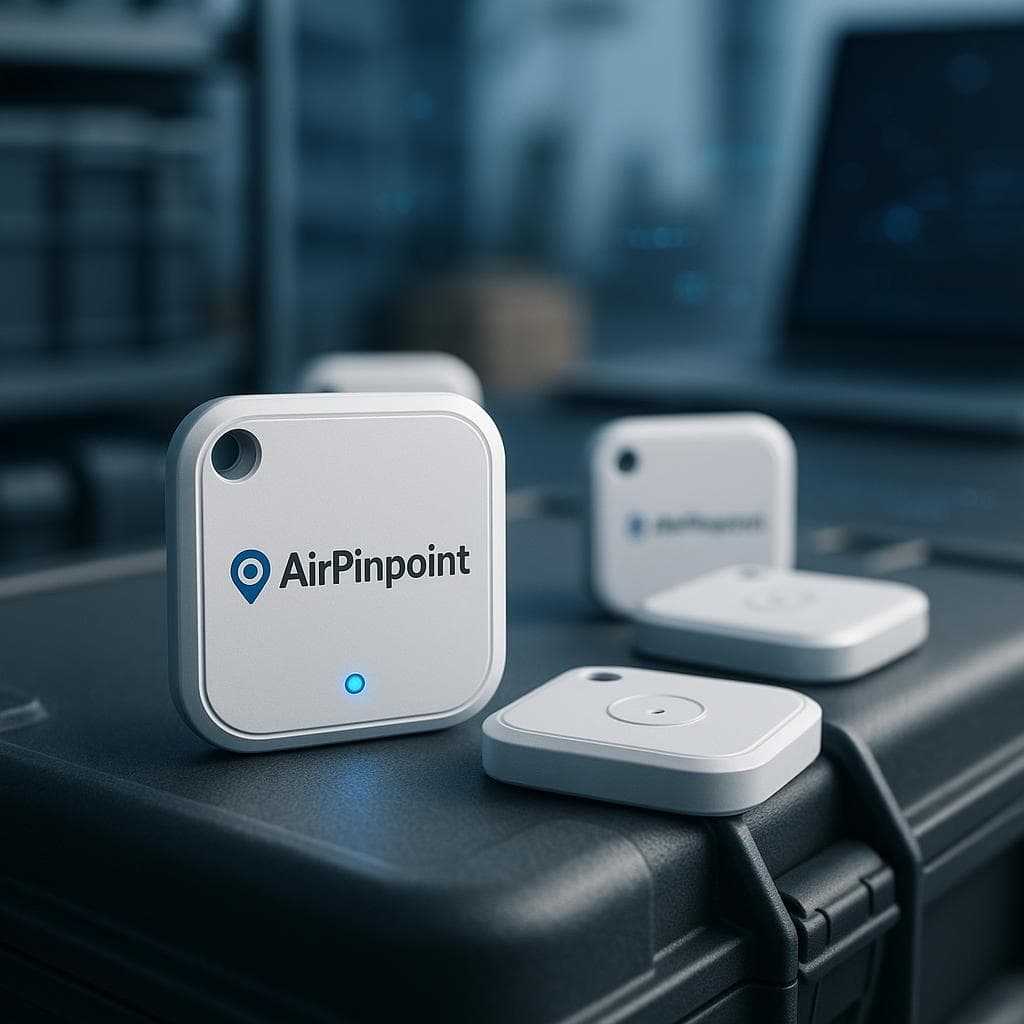
BLE Tracking Tags: Low Power, High Accuracy
Most businesses don't need GPS — they need to know where something is now. BLE (Bluetooth Low Energy) tracking tags provide a solution with low power consumption and high accuracy.
How BLE Tracking Tags Work
BLE tracking tags send encrypted location data to nearby devices, which then relay this information to a central system, such as the Apple Find My network. This ensures continuous tracking without the need for constant power or internet.
The Find My Network
The Find My Network is a vast network of Apple devices that can detect and communicate with AirTags, providing location data even when the tracked device is offline. This network ensures worldwide coverage and reliable tracking.
Ultra-Long Battery Life and Reliability Indoors
BLE tracking tags are known for their ultra-long battery life and reliability indoors. They offer silent pinging, ensuring that assets are tracked without interruption.
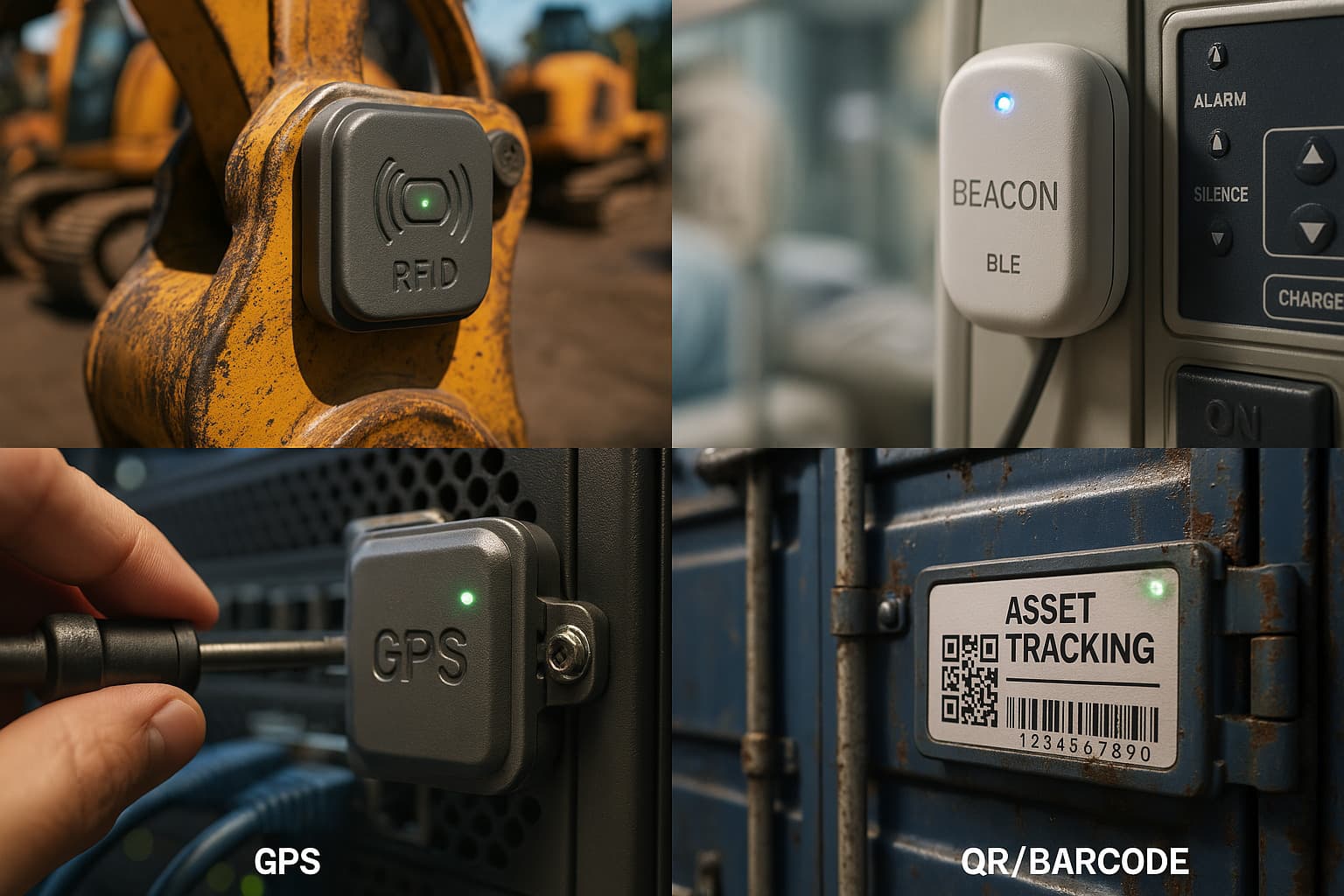
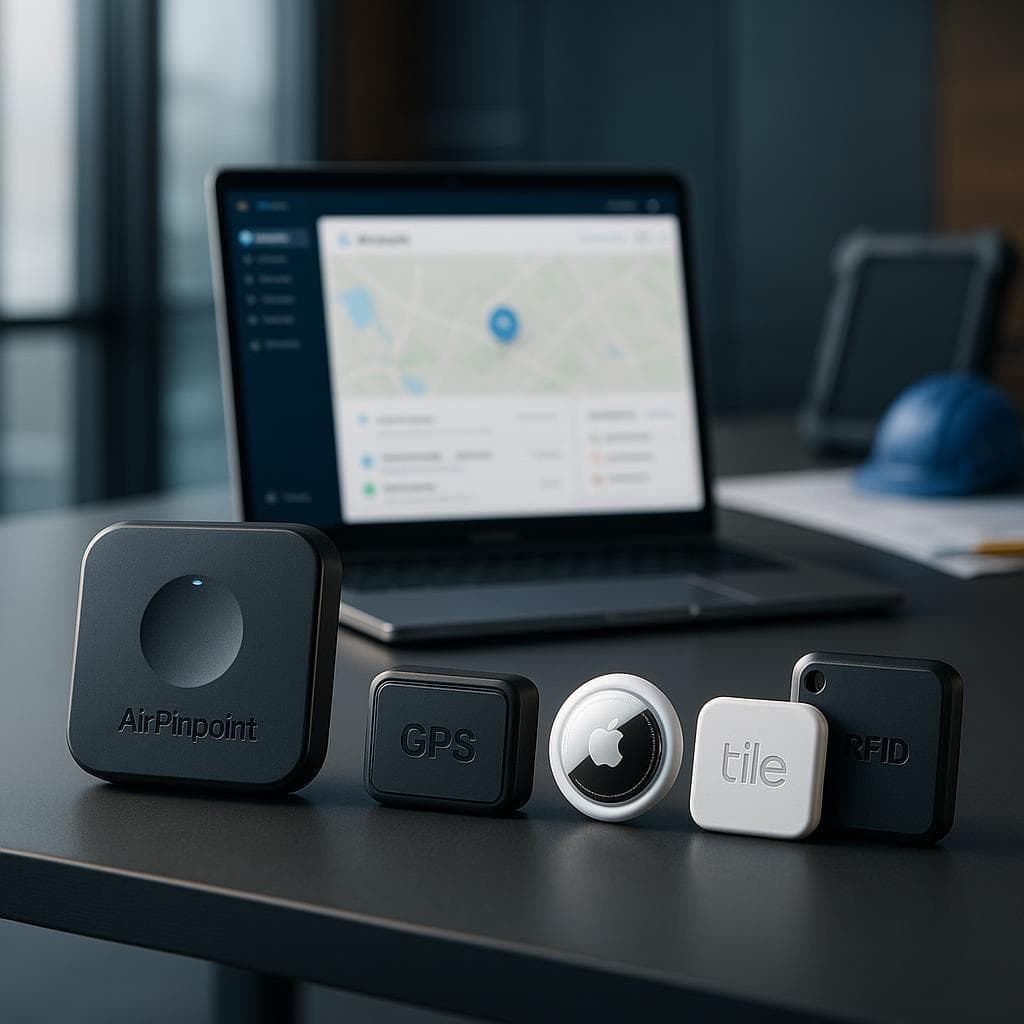
Feature Chart: Comparing BLE, GPS, and RFID
| Feature | BLE (AirTag) | GPS | RFID |
|---|---|---|---|
| Power Consumption | Microamps average | Hundreds of mA per update | None (passive) |
| Accuracy | 2-10m (urban); Precision Finding via UWB | 3-10m outdoors; unusable indoors | Room-level at chokepoints |
| Battery Life | 12+ months at full update rate | Days to months (depends on update frequency) | No battery (passive) |
| Total Updates Per Battery | ~100,000+ | ~550-1,400 (at advertised "multi-year" rate) | Unlimited scans |
| Infrastructure Requirement | None (uses existing iPhones) | Moderate (cellular plan) | High (fixed readers) |
The GPS "battery life" row needs context. Vendors advertise months or years by assuming roughly one location update per day. At that rate a device accumulates roughly 550-1,400 total location reports before the battery dies. An AirTag delivers that many updates in a few days and keeps running for a year. The difference: every GPS update requires the GPS radio to run up to 30 seconds for a satellite fix, then the cellular modem to transmit. Together those draw hundreds of milliamps per ping. An AirTag draws microamps, because nearby iPhones handle the expensive work on their own power. If you are comparing a BLE tag to a GPS device, compare total updates per battery, not the number printed on the box.
Common Misconceptions About BLE Tracking
When researching tracking solutions, many people misunderstand how BLE tracking actually works:
Misconception 1: "AirTags and Bluetooth trackers are the same thing"
Reality: While AirTags use Bluetooth technology, they have unique capabilities due to Apple's Find My network. This network of billions of Apple devices helps locate AirTags even when they're far from their owner's phone. Generic Bluetooth trackers typically only work when within range of the owner's phone.
Misconception 2: "BLE tracking works like GPS and shows continuous movement"
Reality: BLE tracking doesn't continuously track movement like GPS. Instead, it reports location when a BLE tag is detected by nearby devices. This means updates happen when the tag comes within range of compatible devices, not continuously.
Misconception 3: "BLE trackers need internet to work"
Reality: The BLE tags themselves don't need internet - they simply broadcast signals. It's the receiving devices (like smartphones) that need connectivity to report the location to the cloud.
Misconception 4: "BLE tracking only works with smartphones"
Reality: While smartphones are common receivers for BLE signals, many modern systems use fixed gateways or receivers strategically placed throughout a facility to create a complete tracking system without relying on phones.
Conclusion
BLE tracking tags offer a low-power, high-accuracy solution for asset tracking, making them ideal for various environments. With the support of the Find My Network, BLE tags provide reliable tracking without the need for extensive infrastructure. Explore our BLE tracking solutions today and find the best fit for your needs.
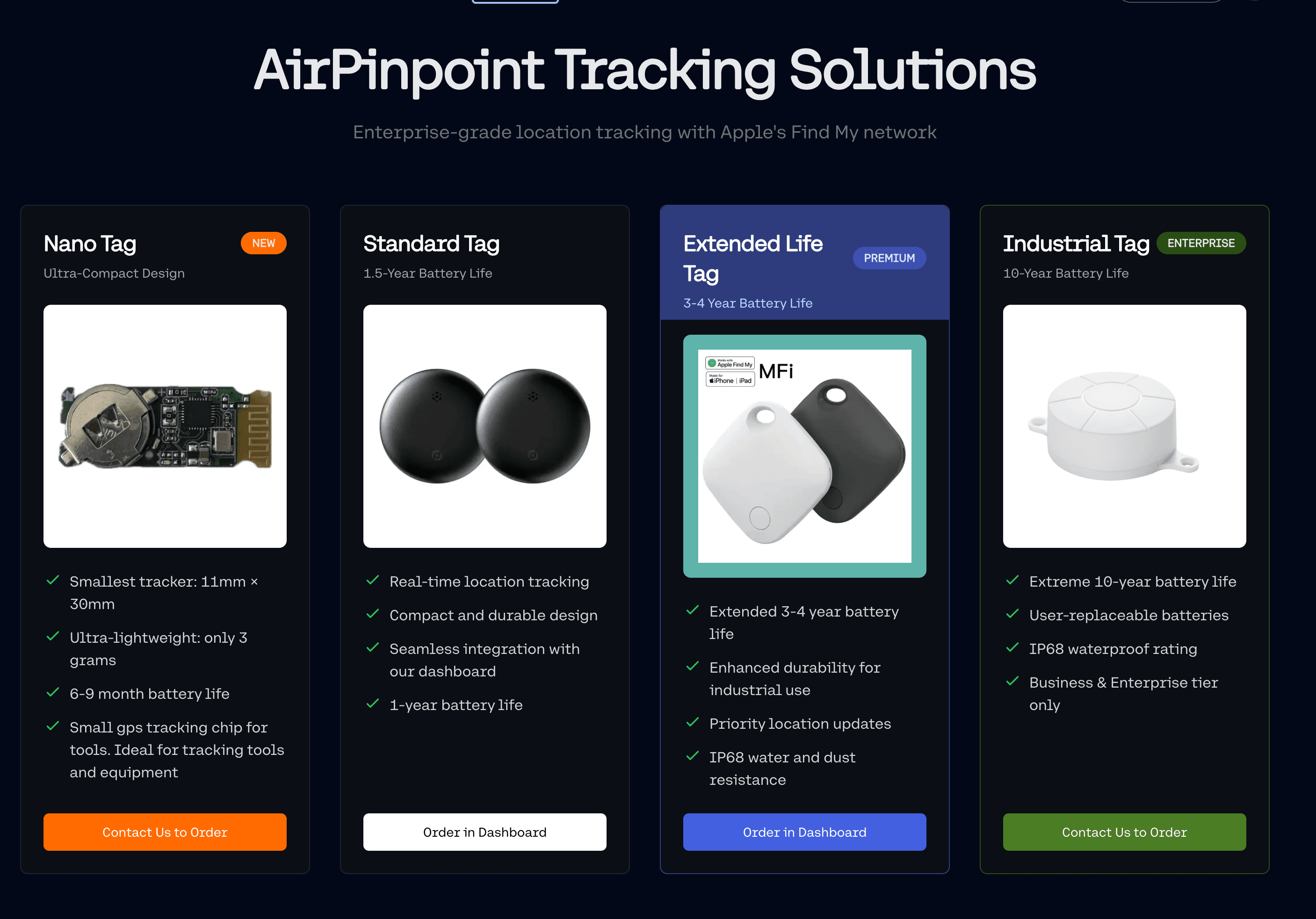
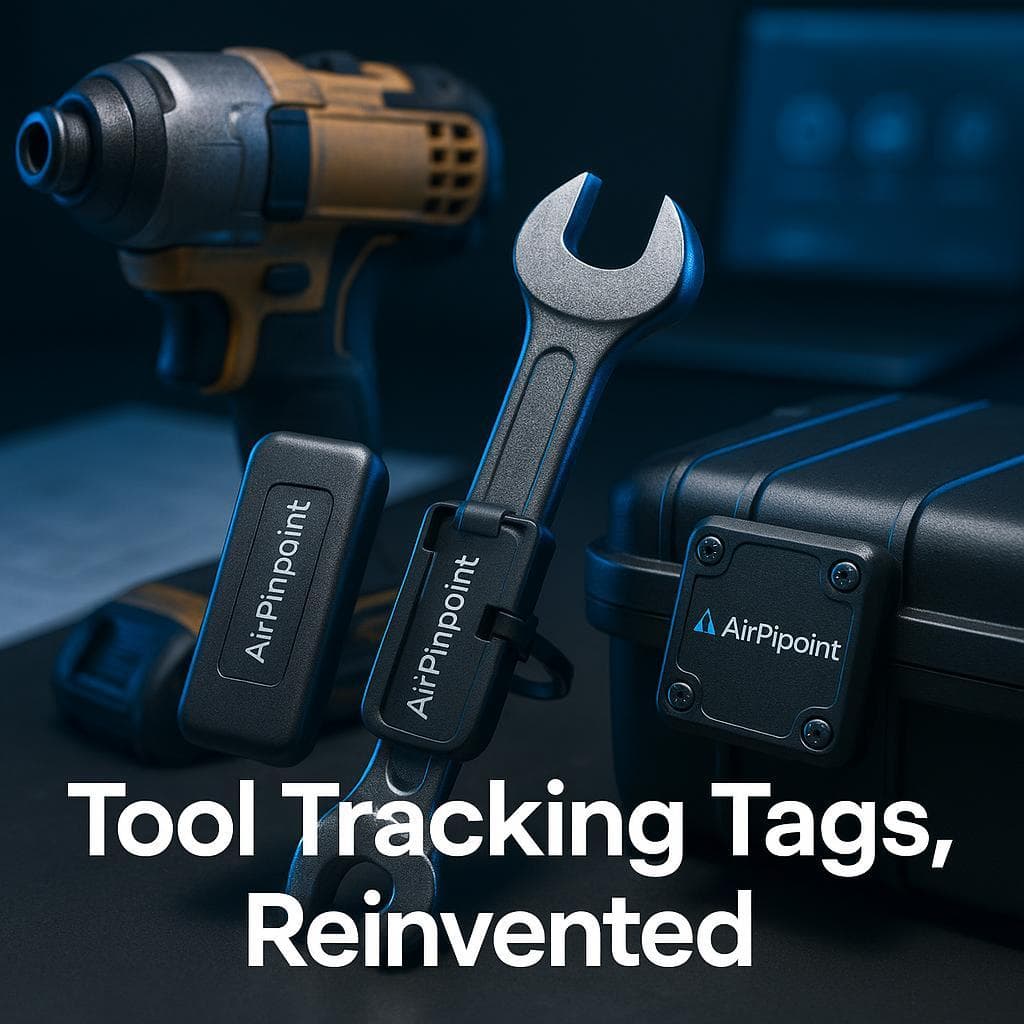
 Our Solution