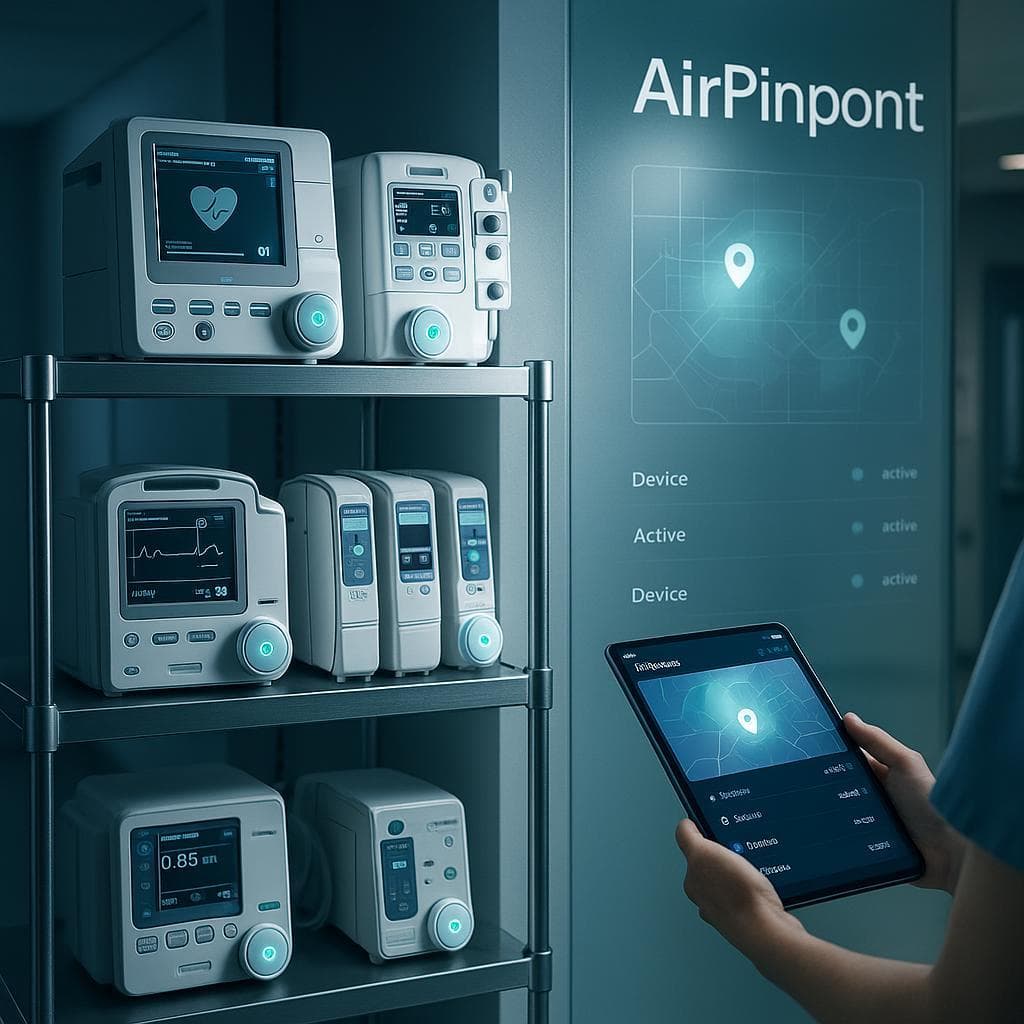
CPAP Machine Tracking: DME Compliance and Patient Monitoring
CPAP (Continuous Positive Airway Pressure) therapy treats millions of sleep apnea patients, but success depends on consistent use. DME (Durable Medical Equipment) providers must track both patient compliance for insurance requirements and physical equipment for inventory management.
Modern tracking solutions address both challenges while improving patient outcomes.
The CPAP Tracking Challenge
Compliance Requirements
Medicare and most insurers mandate strict compliance tracking:
Medicare requirements:
- Minimum 4 hours usage per night
- At least 21 of 30 consecutive days
- Must be met within first 90 days of therapy
- Documented proof required for continued coverage
Consequences of non-compliance:
- Loss of insurance coverage for therapy
- Patient responsible for equipment costs
- DME provider loses rental revenue
- Potential for equipment return and re-rental
Market Context
Future Market Insights sizes the global durable medical equipment rental market at roughly $30.2 billion in 2025, projected to reach $53.5 billion by 2035 at a 5.9% compound annual growth rate (Future Market Insights, 2025).
| Metric | Value | Source |
|---|---|---|
| 2025 market size | ~$30.2 billion | Future Market Insights, 2025 |
| Projected 2035 size | $53.5 billion | Future Market Insights, 2025 |
| CAGR 2025 to 2035 | 5.9% | Future Market Insights, 2025 |
| Growth drivers | Aging population, chronic illness, homecare trend | Future Market Insights, 2025 |
| Major segments | Respiratory (CPAP), mobility, monitoring | Future Market Insights, 2025 |
Market forecasts are estimates, not measurements. Treat the direction as the useful part: rental volume is growing, and every additional rented unit is another serial number a DME provider has to keep track of for 13 months.
Equipment Values
| Equipment | Purchase Cost | Rental Value |
|---|---|---|
| CPAP machine | $500-1,500 | $80-150/month |
| BiPAP machine | $1,500-3,000 | $150-300/month |
| Masks and supplies | $50-200 | Consumable billing |
| Humidifiers | $100-300 | Often included |
Rental economics:
- 13-month rental period = $1,040-1,950 total
- Ownership transfers after 13 compliant months
- Re-rental if patient non-compliant or returns equipment
How CPAP Tracking Works
Device-Level Compliance Monitoring
Modern CPAP machines include built-in tracking:
Data captured:
- Hours of use per night
- Mask-on time vs. machine-on time
- AHI (Apnea-Hypopnea Index) during therapy
- Pressure settings and delivery
- Mask leak rates
- Event data (apneas, hypopneas)
Data transmission:
- Wireless modem - Automatic daily uploads
- SD card - Manual retrieval during visits
- Bluetooth - Patient app connectivity
Manufacturer Platforms
| Platform | Manufacturer | Features |
|---|---|---|
| AirView | ResMed | Cloud-based, remote settings, patient alerts |
| Care Orchestrator | Philips | Compliance monitoring, coaching |
| DreamMapper | Philips | Patient-facing app, goals, tips |
| myAir | ResMed | Patient engagement, scoring |
AirView capabilities:
- Real-time therapy data access
- Remote device settings adjustment
- Automatic compliance alerts
- Patient outreach triggers
- Usage reports for documentation
DME Management Platforms
Beyond device data, DME providers need inventory and billing management:
| Platform | Focus | Key Features |
|---|---|---|
| WellSky/Brightree | Full DME management | Orders, billing, inventory, compliance |
| WellSky S3 Resupply | CPAP resupply | Patient engagement, automation |
| Soliish | PAP replacement | Automated workflows, scheduling |
| Vero Health | Compliance management | Professional-grade tracking |
Compliance Workflow
Patient Onboarding (Days 1-30)
-
Setup appointment
- Device configuration
- Mask fitting
- Patient education
-
Tracking activation
- Modem connected to AirView/DreamMapper
- Baseline data collection begins
- Compliance thresholds set
-
Early intervention
- Daily data review
- Outreach for low usage
- Mask adjustment if needed
Compliance Monitoring (Days 31-90)
| Week | Activity | Goal |
|---|---|---|
| Weeks 2-4 | Daily data review | Identify struggling patients |
| Week 4 | Compliance assessment | 70%+ nights meeting threshold |
| Week 8 | Mid-period review | Adjust therapy if needed |
| Week 12 | Final compliance check | Document for insurance |
Ongoing Management (Months 4-13)
- Monthly compliance verification
- Resupply scheduling
- Equipment maintenance checks
- Patient engagement for retention
Ownership Transfer (Month 13+)
- Final compliance documentation
- Ownership transfer paperwork
- Ongoing resupply relationship
- Equipment upgrades as needed
DME Inventory Tracking
Physical Equipment Management
DME providers must track equipment through its lifecycle:
| Stage | Tracking Need |
|---|---|
| Procurement | Serial number, cost, warranty |
| Warehouse | Location, availability, condition |
| Patient assignment | Who has it, when assigned |
| In-field | Usage data, maintenance needs |
| Return processing | Condition assessment, cleaning |
| Refurbishment | Service history, re-certification |
Technology Options
Barcode/QR systems:
- Simple, low-cost implementation
- Manual scanning required
- Good for basic inventory
RFID systems:
- Automated tracking at checkpoints
- Faster inventory counts
- Higher implementation cost
Software integration:
- DME platform tracking (WellSky, Brightree)
- Serial number assignment to patients
- Return and refurbishment workflows
Compliance Automation
Automated Outreach
Modern platforms automate patient engagement:
| Trigger | Action |
|---|---|
| Low usage (2 consecutive days) | SMS reminder |
| Approaching compliance deadline | Phone call from care team |
| High leak rate detected | Mask fitting appointment |
| Non-compliance at Day 30 | Escalation to care manager |
Workflow Integration
Soliish example workflow (as described on Soliish's DME replacement automation page):
- Patient enters a PAP replacement window
- System triggers outreach by text, email or phone based on patient preference
- Patient self-schedules a virtual consult with a sleep provider
- Prescription packet routed to the DME, replacement equipment shipped
- All steps documented for billing
Integration points:
- EHR systems
- Billing platforms
- Patient communication tools
- Scheduling systems
Regulatory and Compliance
Medicare Documentation Requirements
| Requirement | Documentation Needed |
|---|---|
| Initial setup | Face-to-face evaluation, diagnosis, prescription |
| 90-day compliance | Usage data showing 4+ hours, 21/30 days |
| Continued coverage | Periodic compliance verification |
| Ownership transfer | 13 months of compliant rental |
HIPAA Considerations
Patient usage data is protected health information (PHI):
- Secure transmission required
- Access controls on platforms
- Patient consent for monitoring
- Audit trails for compliance
Billing Codes
| Code | Description |
|---|---|
| E0601 | CPAP machine |
| E0470 | RAD (Respiratory Assist Device) BiLevel |
| E1390 | Oxygen concentrator (comparison) |
Solution Comparison
For Patient Compliance Monitoring
| Solution | Cost | Best For |
|---|---|---|
| ResMed AirView | Included with devices | ResMed equipment |
| Philips Care Orchestrator | Included with devices | Philips equipment |
| Vero Health | Subscription | Multi-manufacturer fleet |
| Custom integration | Development cost | Large DME operations |
For DME Inventory Management
| Solution | Focus | Published Price |
|---|---|---|
| WellSky/Brightree | Full DME | Not published, quote only |
| DMEWorks | Rental management | Not published, quote only |
| TIMS Software | HME/DME | Not published, quote only |
None of the major DME platforms publish list pricing. Quotes are built from patient census, module count, and claim volume, so two providers of the same size routinely get different numbers. Ask each vendor for the all-in first-year figure including implementation, data migration, interface fees and per-claim charges, not the monthly subscription line by itself.
For Patient Engagement
| Solution | Approach |
|---|---|
| myAir (ResMed) | Gamification, scores, tips |
| DreamMapper (Philips) | Goals, progress tracking |
| Soliish | Automated workflows |
ROI Analysis
We have no published DME case studies and we are not going to invent one. What follows is the arithmetic, with your numbers in the blanks. Every input is something you can pull from your own billing system this afternoon.
Medium DME Provider (2,000 CPAP Patients)
The one number that drives everything: your non-adherence rate.
Published sleep medicine research is the only trustworthy benchmark here. A review of twenty years of CPAP adherence data found an overall non-adherence rate of 34.1%, and reported adherence rates generally landing between 30% and 60% depending on how adherence is defined (Rotenberg, Murariu and Pang, Journal of Otolaryngology Head & Neck Surgery, 2016). Separately, 30% to 50% of patients abandon therapy within the first year. Note the uncomfortable finding in that review: the curve has been flat for two decades. Better monitoring has not moved the population number much.
So do not start from a promised improvement. Start from your measured one.
Step 1: Pull your own baseline.
| Input | Where to find it | Your number |
|---|---|---|
| Patients started on PAP in the last 12 months | Setup records | |
| How many cleared the 90-day compliance gate | AirView or Care Orchestrator report | |
| Your actual non-adherence rate | 1 minus (cleared / started) | |
| Monthly rental allowable per patient | Your fee schedule | |
| Months of rental lost per failed patient | 13 minus months already billed |
Step 2: Price the failure.
Revenue at risk = (patients who fail the gate) x (monthly allowable) x (remaining rental months). A patient who fails at month three on a $100 allowable leaves roughly $1,000 of a 13-month capped rental unbilled, plus the cost of retrieving, cleaning and re-certifying a device that is now used inventory.
Step 3: Price the labor.
Count how many outreach calls your team actually places per patient per month and multiply by loaded hourly cost. Then count how many of those calls were triggered by a data review that a rules engine could have run. That second number, not the first, is what automation can touch.
Step 4: Get a real quote and compare.
| Item | What to ask the vendor | Your number |
|---|---|---|
| Compliance platform | Annual subscription, all modules | |
| Integration setup | One-time, including any interface fees | |
| Training | One-time, plus cost of staff time offline | |
| Ongoing support | Included or billed separately |
Then answer one question honestly: how many percentage points would your non-adherence rate have to improve for this to pay back inside a year? Write that number down before the demo. If the vendor cannot show you a customer who moved the number by at least that much, you have your answer.
What the research says will not happen: a platform that lifts a whole patient population into adherence. What automation reliably does is catch the individual patient on day 9 instead of day 62, when there is still time inside the 90-day window to change the mask, the pressure or the ramp setting. That is a smaller claim than most vendor decks make, and it is the one supported by the data.
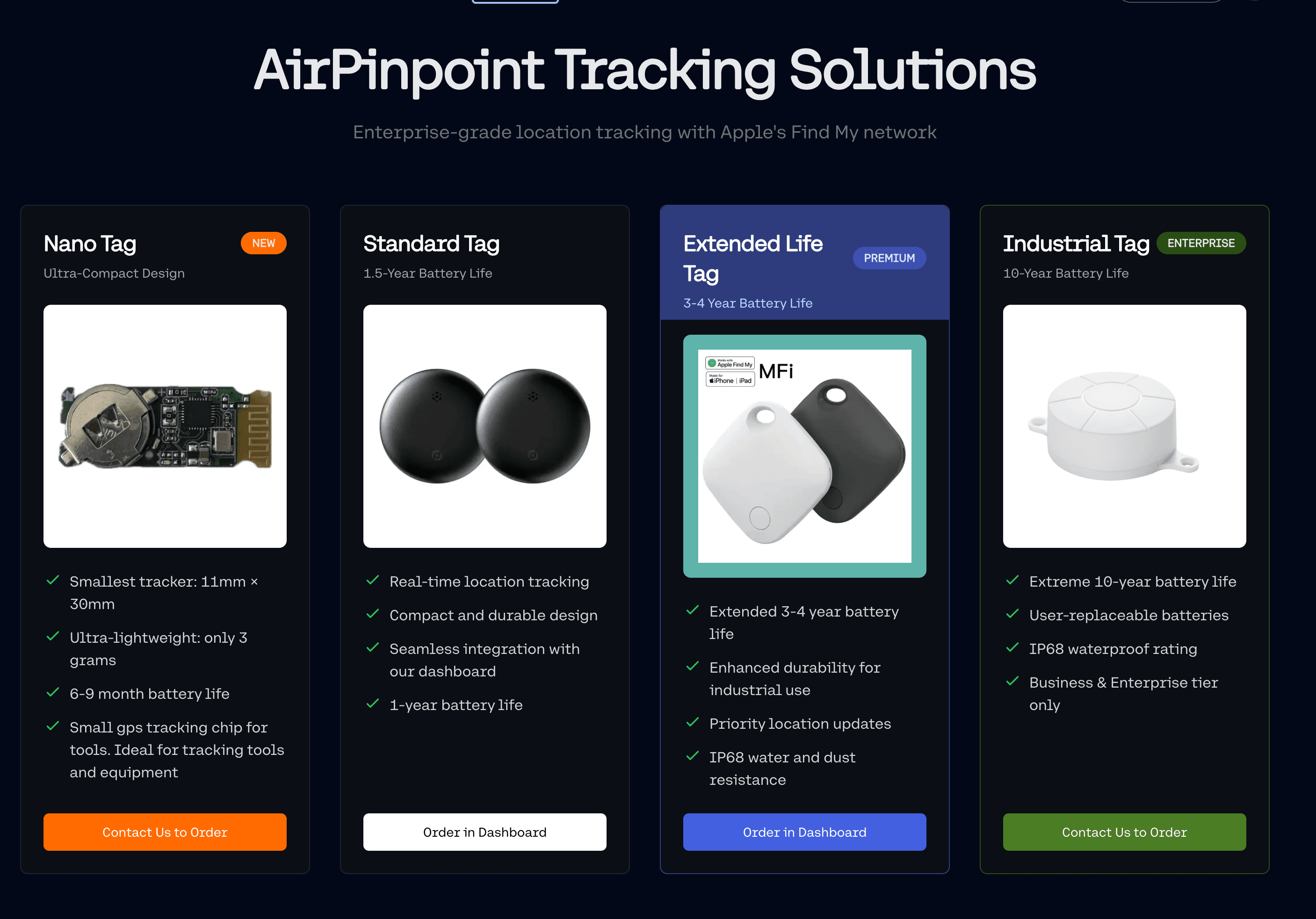
AirTags for DME Operations
Appropriate Applications
AirTags can supplement DME tracking for:
- Warehouse inventory - Locating equipment in storage
- Loaner equipment - Tracking short-term assignments
- Delivery verification - Confirming equipment arrived
- Lost equipment - Recovery assistance
Limitations
- Not for patient-assigned devices - Privacy concerns
- No compliance integration - Doesn't connect to AirView/DreamMapper
- No clinical data - Only location, not usage
- Limited healthcare value - Supplemental tool only
Recommended Approach
| Use Case | Solution |
|---|---|
| Patient compliance | Manufacturer platforms (AirView, Care Orchestrator) |
| DME inventory | WellSky, Brightree, or similar |
| Warehouse tracking | RFID or barcode systems |
| Supplemental location | AirTags for specific needs |
The Bottom Line
CPAP machine tracking serves two critical purposes:
- Patient compliance - Required for insurance coverage and clinical outcomes
- Equipment inventory - Essential for DME operational efficiency
Key takeaways:
- Medicare requires documented 4-hour/night usage for 21/30 days
- Modern CPAPs include built-in tracking via cellular modems
- Automation moves outreach from "whoever the coordinator got to this week" to "every patient whose data crossed a threshold overnight." The saving is in triage, not in headcount
- Published adherence research shows the population non-adherence rate has been flat for two decades, so measure your own baseline before believing any vendor's improvement claim
- Integration between compliance and inventory systems drives efficiency
Start with:
- Manufacturer platforms (AirView, DreamMapper) for compliance
- DME management software for inventory and billing
- Automated patient outreach workflows
- AirTags only for supplemental warehouse tracking
The DME providers who automate compliance tracking deliver better patient outcomes while maintaining the documentation required for sustainable business operations.
 Our Solution