
Updated
GPS Fleet Tracking for Small Business: Costs, Setup, and Pitfalls
Small fleets need visibility, not enterprise bloat. The best setup balances cost, compliance, and reliability while leaving room to scale.
Right-Size Your Stack
- 5-15 vehicles: Basic GPS + driver app
- 15-50 vehicles: GPS + alerts + maintenance
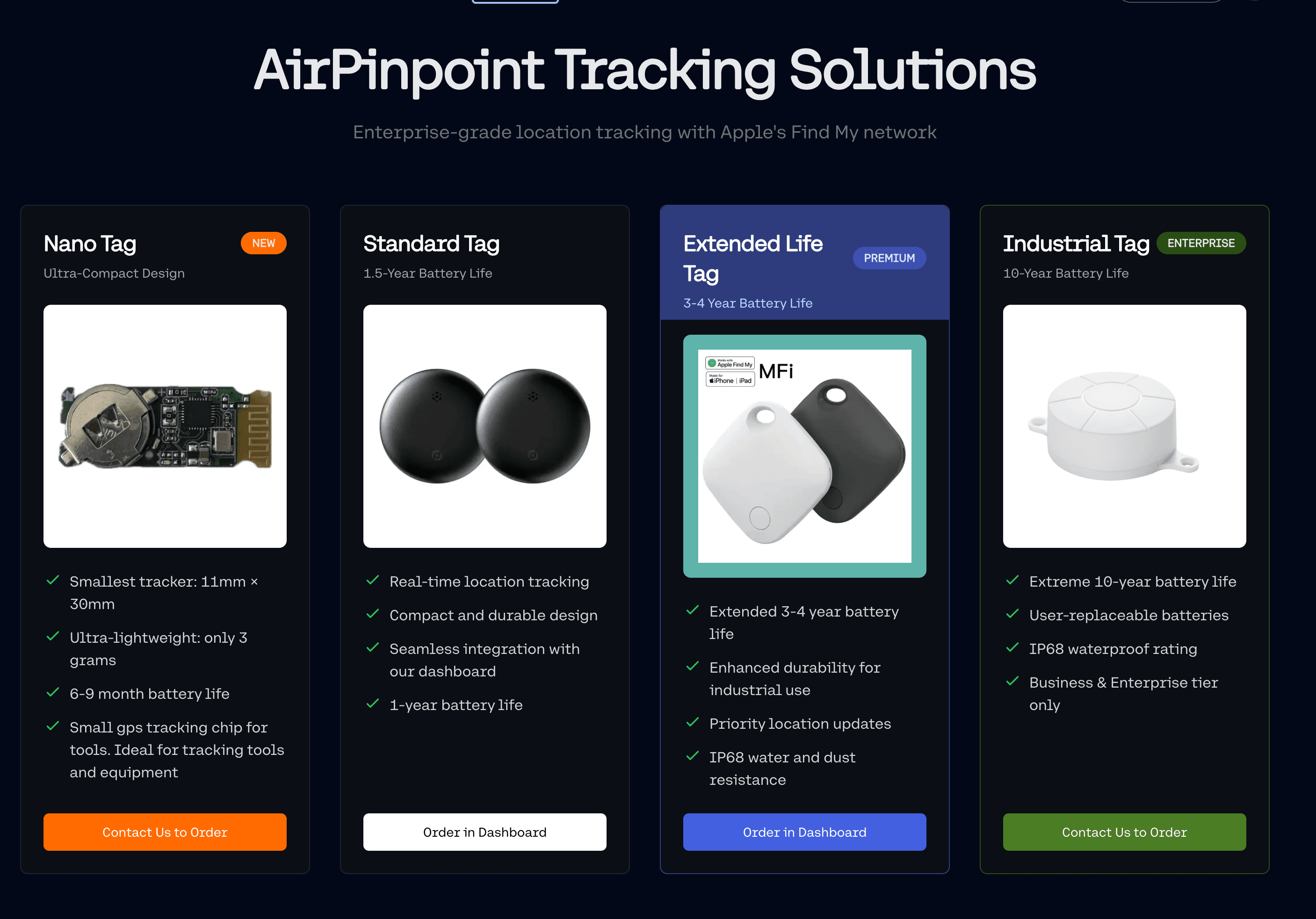
- Mixed assets: Add AirTags for trailers, tools, and equipment
Cost Gotchas for Small Fleets
- Hardware + install: Hardwired units add upfront cost but improve reliability.
- Contracts: Many vendors push multi-year terms with penalties.
- Add-ons: Dashcams, ELD, and advanced reporting are often separate tiers.
Compliance Reality Check
ELD rules require accurate logging, not constant real-time tracking. That means you can choose update intervals and features that match your operations without overbuying.
A Simple Rollout Plan
- Start with 5-10 vehicles and a 60-day pilot.
- Add geofences and alerts only after data is stable.
- Expand to trailers and equipment with AirTags.
- Negotiate volume pricing once the stack is proven.
Why AirTags Save SMBs Money
Vehicle telematics is great for active trucks. But trailers and jobsite assets rarely justify a full subscription. Airpinpoint gives you low-cost, low-maintenance coverage for everything non-powered.
Why Airpinpoint Is Different
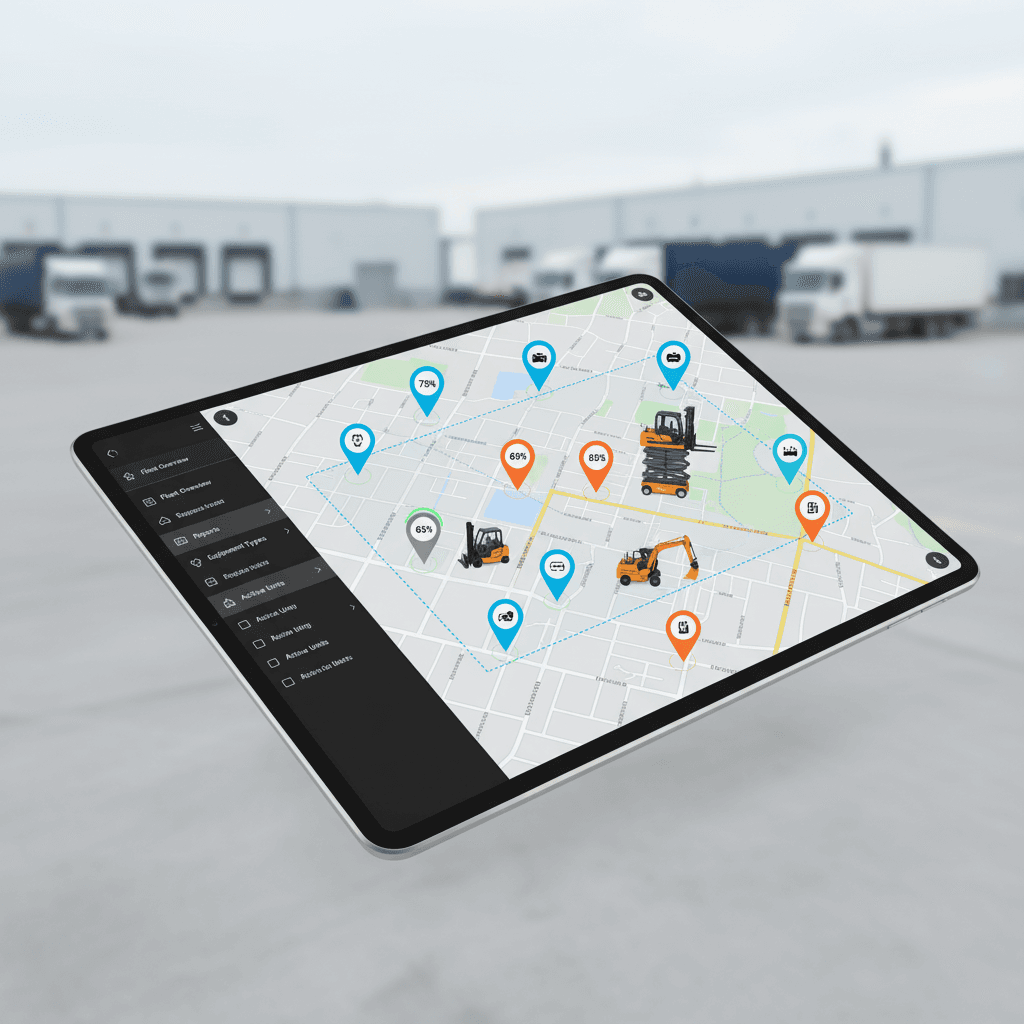
Airpinpoint is built for non-powered assets and mixed fleets. We combine the Apple Find My network with asset workflows so you get wide coverage, long battery life, and recovery visibility at a fraction of the cost of cellular GPS tracking.
Our 12-Month Minimum (Because We Know It Works)
We require a 12-month minimum. The product is purpose-built, the rollout is fast, and the outcomes are clear. If you want short-term trials, most teams start with a small pilot scope inside the 12-month plan.

 Our Solution