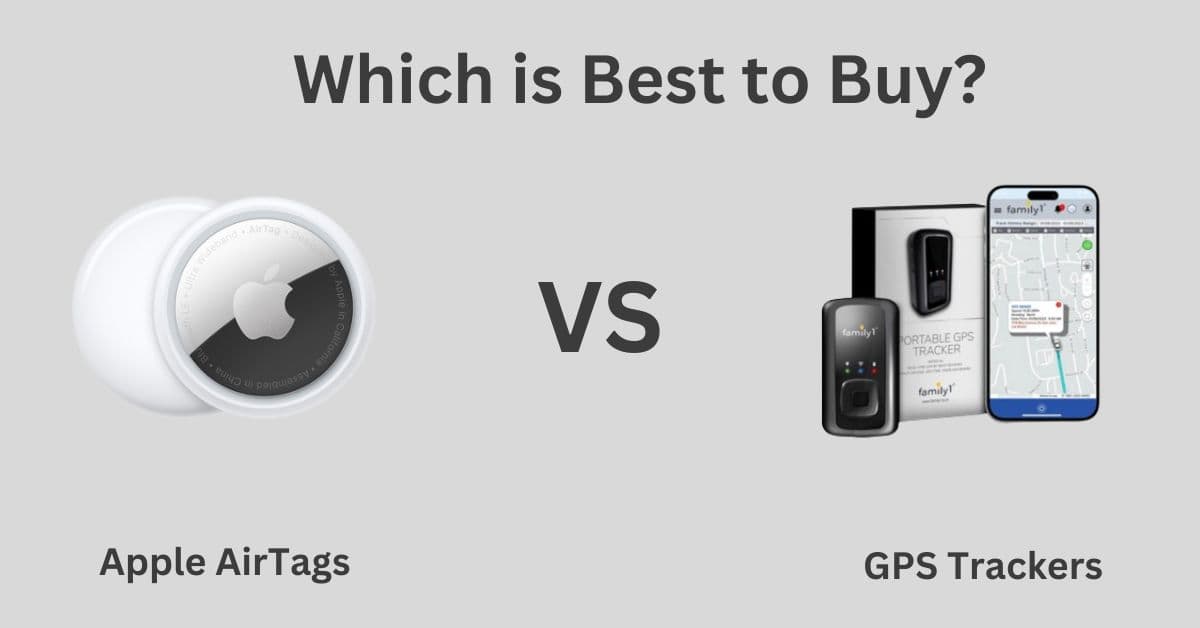
AirTag vs GPS Tracking: Complete Comparison Guide
When choosing between Apple AirTags and traditional GPS trackers for asset tracking, understanding their fundamental differences is crucial for making the right decision for your needs.
Key Differences Overview
Coverage and Connectivity
- AirTags: Use Apple's Find My network (crowd-sourced)
- GPS Trackers: Connect directly to satellite networks
Battery Life
- AirTags: 1+ years on replaceable CR2032 battery
- GPS Trackers: Typically weeks to months, rechargeable
Cost Structure
- AirTags with AirPinpoint: $29 hardware + from $11.99/month for professional dashboard
- GPS Trackers: $100-300 device cost plus $20-45/month subscriptions
Real-time Tracking
- AirTags: Location updates when near Apple devices
- GPS Trackers: Continuous real-time positioning
When to Choose AirTags
Choose AirTags for:
- Urban environments with high iPhone/iPad density
- Cost-effective deployments with lower monthly costs than GPS
- Long-term tracking with minimal maintenance
- Privacy-conscious applications
When to Choose GPS Trackers
Choose GPS trackers for:
- Remote areas without cellular coverage
- Real-time monitoring requirements
- Fleet management with live updates
- Critical assets needing immediate alerts
Conclusion
Both solutions excel in different scenarios. AirTags offer exceptional value for urban asset tracking with their crowd-sourced network and long battery life, while GPS trackers provide reliable real-time positioning regardless of location.
For most business applications in populated areas, AirTags provide the optimal balance of cost, battery life, and tracking capability.
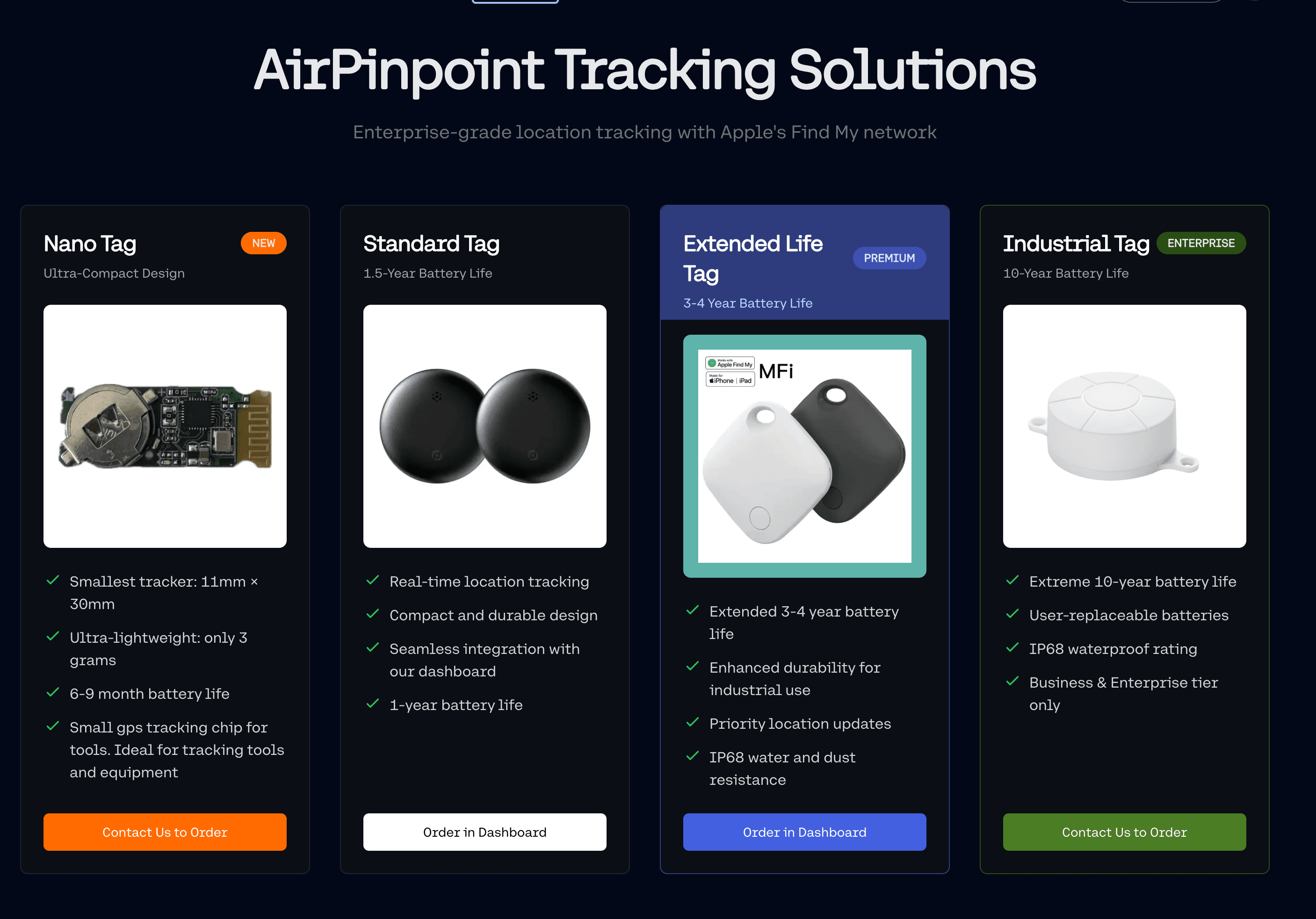
 Our Solution