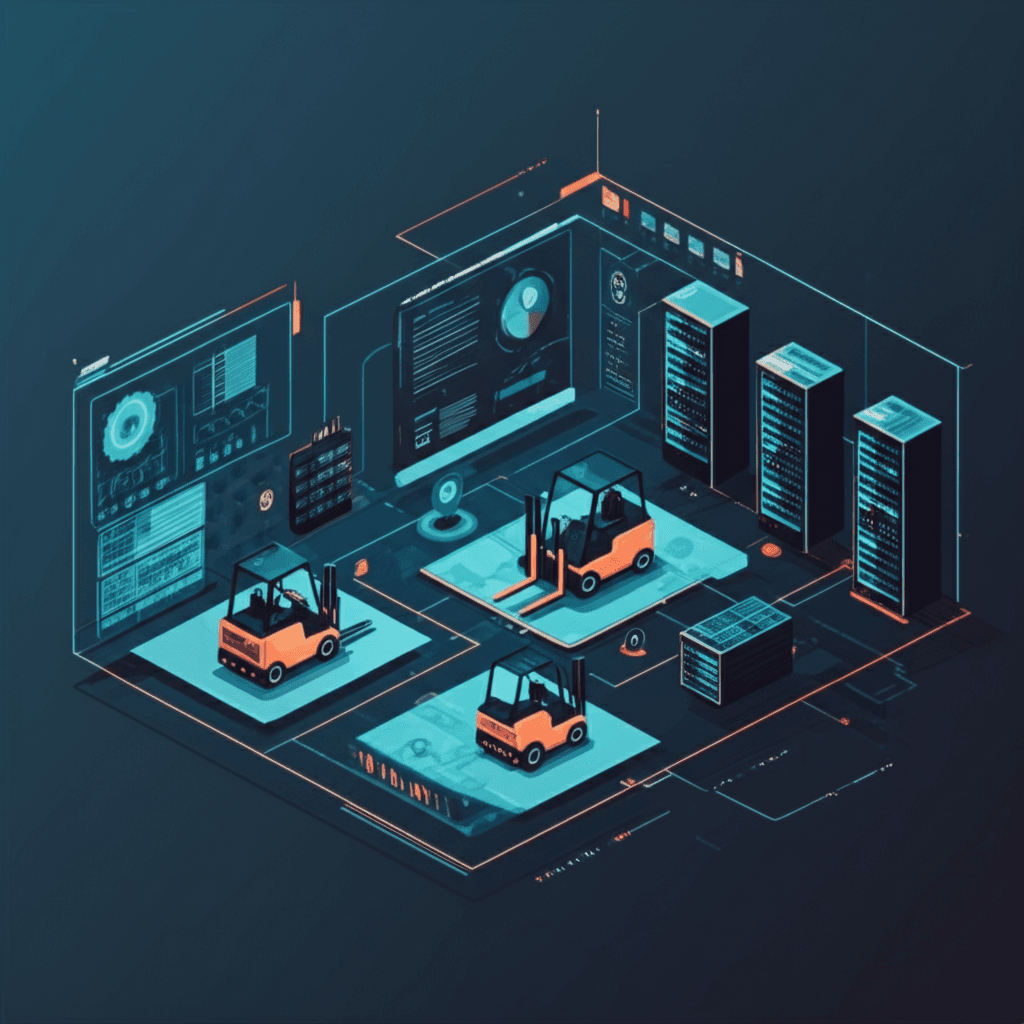
Managed Equipment Services: Complete 2025 Guide to Outsourced Asset Management
TL;DR: Managed equipment services (MES) allow businesses to outsource the tracking, maintenance, and lifecycle management of physical assets to specialized providers. With the enterprise asset management market projected to reach $9.02 billion by 2030, companies adopting managed services see 15-30% cost reductions and up to 25% productivity gains.
What Are Managed Equipment Services?
Managed equipment services represent a strategic approach where organizations partner with specialized providers to handle the complete lifecycle of their physical assets, from procurement and deployment to maintenance, tracking, and eventual disposition.
Unlike traditional in-house asset management, managed services operate on an OpEx (operational expenditure) model rather than CapEx, providing:
- Predictable monthly costs instead of unpredictable maintenance expenses
- Access to specialized expertise without hiring full-time staff
- Advanced technology platforms without capital investment
- 24/7 monitoring and support through dedicated service teams
According to MarketsandMarkets research, the enterprise asset management market is growing at a CAGR of 9.0%, driven by organizations prioritizing asset optimization to reduce costs, boost productivity, and extend asset lifecycles.
The Business Case for Managed Equipment Services
Rising Complexity of Asset Management
Modern businesses manage increasingly diverse equipment portfolios. From IT infrastructure and construction machinery to medical devices and manufacturing equipment, the complexity has outpaced most organizations' internal capabilities.
Consider these industry realities:
| Challenge | Traditional Approach | Managed Services Approach |
|---|---|---|
| Equipment tracking | Manual spreadsheets, periodic audits | Real-time GPS/IoT tracking platforms |
| Maintenance scheduling | Reactive repairs after breakdown | Predictive maintenance with AI analytics |
| Compliance documentation | Paper-based record keeping | Automated digital audit trails |
| Utilization analysis | Quarterly manual reviews | Continuous performance dashboards |
Financial Benefits of Outsourced Equipment Management
The pitch for managed equipment services is that someone else owns the maintenance problem. Whether it pays depends on numbers specific to you, so treat any vendor's headline percentage as a question rather than an answer, and make them show it against your baseline on these four:
- Total cost of ownership. What you currently spend across purchase, service, parts, storage and disposal. A managed contract converts that into a predictable line item, which is worth something by itself, but it only shows a saving if your current spend is genuinely higher.
- Downtime. Hours per year waiting on a repair, times what an hour costs you. That is the number a maintenance program has to beat.
- Utilization. How much of the fleet is idle right now. If you do not know, measure that first, because over-buying is usually a bigger line than over-maintaining.
- Administrative overhead. Hours actually spent on purchase orders, service scheduling and asset records today.
Quote: "SAP Enterprise Asset Management offers AI-based predictive maintenance that determines an equipment's failure curve based on calculated probabilities and estimates the remaining useful life." - SAP Enterprise Asset Management
Core Components of Managed Equipment Services
1. Asset Tracking and Visibility
The foundation of any managed equipment service is comprehensive asset visibility. Modern providers deploy multiple tracking technologies:
GPS and Cellular Tracking
- Real-time location monitoring for vehicles and mobile equipment
- Geofencing capabilities with automated alerts
- Historical movement analytics and route optimization
IoT Sensors and Telemetry
- Engine hours and runtime monitoring
- Environmental conditions (temperature, humidity, vibration)
- Performance metrics and anomaly detection
Bluetooth and RFID Tags
- Indoor asset tracking for warehouses and facilities
- Tool and small equipment monitoring
- Automated inventory counts and check-in/check-out
Airpinpoint's managed tracking services combine these technologies, providing a unified platform for mixed asset portfolios with up to 7+ years of battery life on industrial trackers.
2. Preventive and Predictive Maintenance
Effective managed services shift organizations from reactive to proactive maintenance:
Preventive Maintenance (PM)
- Scheduled service based on manufacturer recommendations
- Time-based or usage-based maintenance triggers
- Comprehensive service history documentation
Predictive Maintenance (PdM)
- Machine learning algorithms analyze equipment data patterns
- Early warning systems identify potential failures
- Condition-based maintenance optimizes intervention timing
According to IFS, the only company named Customers' Choice in the 2025 Gartner Peer Insights for Enterprise Asset Management, predictive maintenance can reduce unexpected breakdowns by up to 70%.
3. Lifecycle Management
Managed equipment services address the complete asset lifecycle:
- Procurement Support: Specification development, vendor evaluation, purchase optimization
- Deployment: Installation, configuration, user training
- Operations: Daily monitoring, utilization optimization, performance management
- Maintenance: PM/PdM execution, parts management, service coordination
- Disposition: End-of-life planning, resale, recycling, compliance
4. Compliance and Reporting
Industries with regulatory requirements benefit significantly from managed services:
- Automated compliance tracking for OSHA, EPA, and industry-specific standards
- Audit-ready documentation with complete service histories
- Certification management for calibrated equipment and safety devices
- Custom reporting aligned with organizational KPIs
Industries Leveraging Managed Equipment Services
Construction and Heavy Equipment
Construction companies face unique challenges with distributed equipment across multiple job sites. Managed services provide:
- Theft prevention: The National Equipment Register reports construction site theft costs the industry $300 million to $1 billion annually
- Utilization optimization: Average construction equipment utilization is only 30-40%
- Maintenance coordination: Scheduling service across scattered job sites
- Rental management: Tracking owned vs. rented equipment costs
Healthcare and Medical Equipment
Hospitals and healthcare facilities track thousands of critical assets:
- Biomedical equipment management: Ensuring device availability and compliance
- Preventive maintenance: Critical for patient safety and regulatory compliance
- Asset utilization: Optimizing expensive medical device deployment
- Recall management: Rapid response to manufacturer safety alerts
Manufacturing and Industrial
Factory floor equipment demands sophisticated management:
- Production equipment monitoring: Minimizing downtime impact on output
- Spare parts optimization: Balancing inventory costs with availability
- Energy management: Tracking and reducing equipment energy consumption
- Safety compliance: Ensuring lockout/tagout and safety device functionality
Fleet and Transportation
Vehicle fleets require specialized managed services:
- Telematics integration: Real-time vehicle tracking and diagnostics
- Driver behavior monitoring: Safety and efficiency optimization
- Fuel management: Consumption tracking and theft prevention
- Regulatory compliance: DOT, FMCSA, and hours-of-service monitoring
Selecting a Managed Equipment Services Provider
Critical Evaluation Criteria
When evaluating providers, consider these factors:
Technology Platform
- Does the platform support your equipment types and tracking needs?
- Is there mobile access for field personnel?
- What integration capabilities exist with your ERP/CMMS systems?
Service Level Agreements (SLAs)
- What response times are guaranteed for critical issues?
- How is service performance measured and reported?
- What penalties exist for SLA violations?
Industry Expertise
- Does the provider have experience in your specific industry?
- Can they provide references from similar organizations?
- Do they understand your regulatory requirements?
Scalability
- Can the service grow with your organization?
- What's the process for adding new equipment or locations?
- Are there minimum or maximum asset thresholds?
Questions to Ask Potential Providers
- How do you handle equipment that operates in remote or low-connectivity areas?
- What's your average response time for emergency maintenance requests?
- How do you integrate with our existing systems and workflows?
- What training and change management support do you provide?
- How is data security and privacy maintained?
Implementation Best Practices
Phase 1: Assessment and Planning (4-6 weeks)
- Complete inventory of all equipment to be managed
- Document current maintenance practices and pain points
- Define success metrics and KPIs
- Develop transition timeline and communication plan
Phase 2: Technology Deployment (6-12 weeks)
- Install tracking devices and sensors on priority equipment
- Configure monitoring platform and alert thresholds
- Integrate with existing business systems
- Train key personnel on platform usage
Phase 3: Service Transition (4-8 weeks)
- Transfer maintenance responsibilities per agreed schedule
- Validate data accuracy and reporting
- Refine processes based on initial learnings
- Establish ongoing governance and review cadence
Phase 4: Optimization (Ongoing)
- Monthly performance reviews against SLAs
- Quarterly strategic planning sessions
- Continuous improvement initiatives
- Technology upgrades and capability expansion
ROI Calculation Framework
Direct Cost Savings
| Category | Typical Savings Range | Calculation Method |
|---|---|---|
| Maintenance costs | 12-18% | Compare pre/post service costs |
| Equipment theft/loss | 80-90% reduction | Value of prevented losses |
| Administrative time | 5-15 hours/week | Labor cost savings |
| Insurance premiums | 5-15% | Premium reduction from tracking |
Indirect Benefits
- Increased asset availability: More productive equipment hours
- Extended asset life: Proper maintenance extends useful life by 15-25%
- Better decision-making: Data-driven procurement and disposition
- Risk reduction: Compliance violations, safety incidents
Sample ROI Calculation
For a mid-sized company with 200 tracked assets:
| Investment | Year 1 Cost |
|---|---|
| Tracking devices | $30,000 |
| Monthly service fee ($40/asset) | $96,000 |
| Implementation support | $15,000 |
| Total Investment | $141,000 |
| Savings | Year 1 Value |
|---|---|
| Maintenance optimization (15%) | $75,000 |
| Theft/loss prevention | $25,000 |
| Utilization improvement | $40,000 |
| Admin time savings | $20,000 |
| Insurance reduction | $12,000 |
| Total Savings | $172,000 |
First Year ROI: 22%
The Future of Managed Equipment Services
AI and Machine Learning Integration
The next generation of managed services leverages artificial intelligence for:
- Autonomous scheduling: Self-optimizing maintenance schedules based on conditions
- Anomaly detection: Identifying unusual patterns before failures occur
- Natural language interfaces: Querying equipment status conversationally
- Digital twins: Virtual replicas for simulation and optimization
According to IBM, their Maximo Application Suite 9.0 released in June 2025 consolidates AI-powered applications with enhanced analytics and predictive capabilities.
Integration with Enterprise Systems
Modern managed services increasingly integrate with:
- ERP systems: Automatic cost allocation and financial reporting
- Project management: Equipment scheduling aligned with project timelines
- HR systems: Operator certifications and training tracking
- Sustainability platforms: Carbon footprint and ESG reporting
Emerging Technologies
- 5G connectivity: Real-time streaming of equipment telemetry
- Augmented reality: Remote expert guidance for field repairs
- Blockchain: Immutable service records and chain of custody
- Autonomous equipment: Self-reporting and self-diagnosing machinery
Getting Started with Managed Equipment Services
Ready to explore how managed equipment services can benefit your organization? Here's your action plan:
- Audit your current state: Document all equipment, current maintenance costs, and pain points
- Define your objectives: What outcomes matter most (cost reduction, uptime, compliance)?
- Research providers: Identify 3-5 vendors with relevant industry experience
- Request proposals: Include your specific requirements and success metrics
- Pilot program: Start with a subset of equipment to validate the approach
Frequently Asked Questions
What types of equipment are suitable for managed services?
Managed equipment services work for virtually any physical asset: construction machinery, medical devices, IT infrastructure, manufacturing equipment, vehicles, tools, and portable equipment. The key factor is whether the equipment value and operational importance justify tracking and managed maintenance investment.
How do managed equipment services differ from traditional maintenance contracts?
Traditional maintenance contracts focus on reactive or scheduled repairs. Managed equipment services provide comprehensive lifecycle management including real-time tracking, predictive maintenance, utilization analytics, compliance management, and strategic planning, operating as an extension of your organization.
What's the typical contract length for managed services?
Most providers offer 3-5 year contracts to align with equipment lifecycles and allow sufficient time to realize ROI. Some offer shorter pilot programs or month-to-month options for organizations testing the approach.
Can managed services work alongside our existing maintenance team?
Yes. Many organizations implement a hybrid model where managed services handle specific equipment categories or functions while internal teams retain other responsibilities. The key is clear role definition and integration.
How quickly can we see results from managed equipment services?
Organizations typically see measurable improvements within 90 days of implementation: reduced search time for equipment, fewer emergency repairs, and better utilization visibility. Full ROI realization usually occurs within 12-18 months.
Ready to transform your equipment management approach? Contact Airpinpoint to schedule a free consultation and learn how our managed tracking services can reduce costs and improve asset visibility across your organization.
Apple stops at 32 AirTags per account
Airpinpoint tracks unlimited tags in one dashboard, with location updates about every 5 minutes, geofence alerts, and a REST API, from $11.99 per tag per month.
Free to start. Works with the AirTags you already own. 6,700+ tags under management.
